


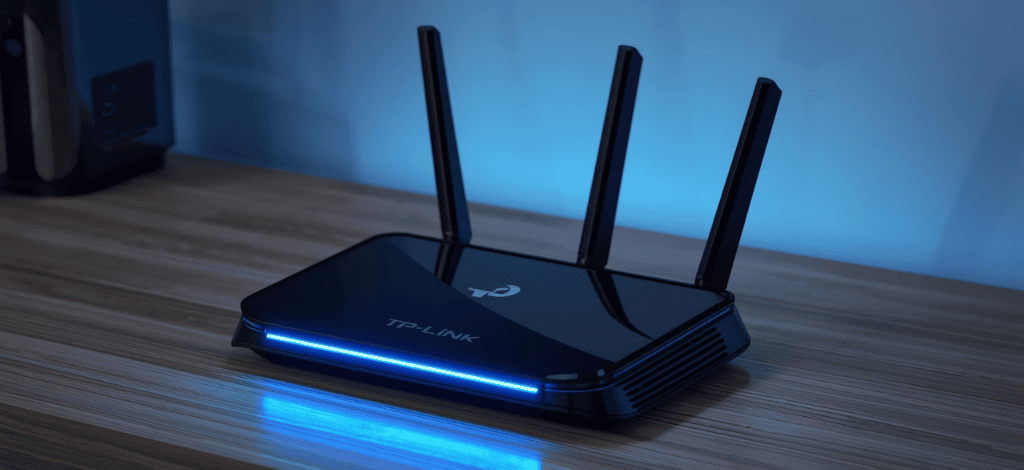
The United States government is getting closer to imposing a potential ban on TP-Link routers, one of the most popular Wi-Fi router brands in the country. This move follows a series of investigations and growing national security concerns related to the company’s alleged ties to China. The proposal, backed by several federal agencies, could mark one of the largest consumer tech restrictions in recent years.
Why TP-Link Routers Are in the Spotlight
TP-Link has been a trusted name for millions of American households, known for providing affordable and reliable routers. But recent reports suggest the company may face severe restrictions or even an outright ban in the US due to security risks. Multiple government departments, including Commerce, Defense, and Justice, have supported a proposal to block future TP-Link product sales.
The Origin of the Controversy
The controversy began in late 2024 when reports surfaced that TP-Link routers could pose national security threats. The investigations were initiated following claims that TP-Link’s infrastructure and data handling could be influenced by Chinese authorities due to its historical ties to China.
National Security Concerns Raised by US Agencies
The Commerce Department’s interagency review concluded that TP-Link routers may expose sensitive American data to foreign jurisdictions. Lawmakers have expressed deep concern about the possible use of these routers by state-sponsored hackers to carry out cyberattacks targeting US infrastructure and citizens.
What the Washington Post Report Revealed
According to The Washington Post, at least six federal departments, including Homeland Security and Defense, have supported the idea of a ban. The report cites that TP-Link’s Chinese manufacturing roots and ongoing operations in China make it vulnerable to government influence and espionage risks.
TP-Link’s Response and Denial of Allegations
TP-Link has strongly denied any link to the Chinese government. In a statement to media outlets, the company emphasized that it operates independently from China, maintaining that “no foreign country or government, including China, has access to or control over our products.” TP-Link insists it complies fully with US laws and cybersecurity standards.
Understanding TP-Link’s Corporate Split
In October 2024, following mounting scrutiny, TP-Link divided into two separate entities: TP-Link Technologies, which serves China, and TP-Link Systems, headquartered in Irvine, California. The company says this move ensures complete separation between its American and Chinese operations. Still, government agencies remain skeptical due to shared assets and facilities.
The US Market Impact and Sales Dominance
TP-Link has grown remarkably in the US router market. Before the pandemic, it held around 20% of sales, which surged to over 60% by 2024, according to several market reports. With over 300 internet providers distributing TP-Link routers to their customers, a potential ban could affect millions of users nationwide.
Predatory Pricing Allegations
Aside from security issues, TP-Link also faces accusations of predatory pricing. The Justice Department is reportedly investigating whether TP-Link intentionally lowered prices below market value to push out American competitors. The company denies these claims, asserting that all its products are priced above production cost.
What Makes the Proposed Ban Significant
If approved, the TP-Link ban could become one of the largest technology prohibitions in US history, second only to the restrictions placed on TikTok. It would signal a deepening divide between the US and China over technology, data privacy, and cyber sovereignty.
Why the Commerce Department Is Involved
The Commerce Department has authority under US law to restrict sales of technology linked to foreign adversaries. After conducting a full risk assessment, the department concluded that TP-Link poses an “unacceptable risk” to national security. The department now has the option to issue a formal prohibition or seek a negotiated settlement with TP-Link.
Comparisons with Previous Tech Bans
This situation mirrors earlier actions against other foreign tech companies, such as Huawei and Kaspersky Lab. In those cases, the US cited similar concerns about foreign access to sensitive user data. Like those bans, a restriction on TP-Link could reshape the home networking industry overnight.
Cybersecurity Experts Weigh In on the Risks
Cybersecurity experts are divided on the issue. Some believe TP-Link routers present real risks because of their firmware vulnerabilities and data handling. Others argue that such flaws are common in routers made worldwide, and there’s little public evidence showing direct Chinese government influence over TP-Link products.
Common Security Vulnerabilities in All Routers
Experts point out that routers, regardless of brand, are inherently vulnerable to cyber threats. Hackers often exploit weak passwords or outdated firmware to gain control. Thus, banning a single brand might not solve the broader issue of network insecurity.
How the Public Should React to These Reports
For now, consumers are advised not to panic. While government agencies debate the issue, users can take practical steps to protect themselves. Keeping firmware updated, using strong passwords, and enabling firewalls are basic yet effective ways to secure your network.
What to Do if You Currently Use a TP-Link Router
If you own a TP-Link router, there’s no immediate need to replace it unless the government officially issues a ban. Most experts say the existing risks are manageable if you practice good cybersecurity habits. However, if you’re uncomfortable, switching to a router certified with WPA3 security might be a safer choice.
Practical Network Security Tips for TP-Link Users
Change your default login credentials, update firmware regularly, enable Wi-Fi encryption, and use a reliable VPN to keep your data private. These measures help safeguard against hacking attempts and unauthorized access, regardless of your router brand.
Potential Impact on Internet Service Providers
A ban on TP-Link could force hundreds of ISPs to find alternative equipment suppliers, increasing costs for both companies and consumers. This could also slow down router availability and raise prices temporarily.
The Role of Chinese Government Laws and Concerns
Under Chinese law, companies are required to assist the government in intelligence-related requests. This is one of the primary reasons for concern in the US, as TP-Link still operates large facilities in China. Critics worry that this creates potential pathways for unauthorized data access.
What’s Next for TP-Link and the US Market
The proposed ban is now under review by the Commerce Department. While the White House has expressed general support for stricter tech oversight, ongoing trade negotiations with China may delay or alter the outcome. TP-Link continues to cooperate with US officials to address all concerns.
Possible Outcomes of the Commerce Department Review
There are three likely scenarios:
- A full ban on future sales of TP-Link routers in the US.
- A negotiated deal that imposes strict compliance and transparency measures.
- A delay or reversal of the ban, depending on political and trade considerations.
How This Reflects Growing Tech Tensions Between the US and China
The TP-Link case is part of a larger trend of increasing tension between Washington and Beijing over control of global technology infrastructure. Similar actions have targeted companies like TikTok, Huawei, and ZTE. It reflects a broader push for digital independence and national data sovereignty.
Consumer Trust and Transparency Issues
Ultimately, consumer trust is at stake. Even if TP-Link proves its independence, the perception of vulnerability could harm its reputation. Transparency in manufacturing and software processes may be the only way to regain confidence in the US market.
Should You Switch Routers Now?
Unless there’s confirmed evidence of malicious activity or a formal ban, switching routers immediately might not be necessary. However, consumers should monitor official announcements and be ready to adapt if restrictions take effect.
Conclusion
The possible US government ban on TP-Link routers highlights the delicate balance between cybersecurity, trade policy, and consumer convenience. While the company insists it operates independently and safely, government agencies remain cautious. For now, consumers can protect themselves by following strong security practices and staying informed about future developments.
FAQs
1. Why is the US considering banning TP-Link routers?
Because of alleged national security risks tied to the company’s origins and ongoing operations in China.
2. Are TP-Link routers currently banned in the US?
No, the ban has not been finalized. The proposal is still under review by the Commerce Department.
3. Should I stop using my TP-Link router?
Not necessarily. You can continue using it safely by following cybersecurity best practices.
4. Will a ban affect internet providers?
Yes, over 300 ISPs use TP-Link routers, so a ban could disrupt supply chains and raise costs.
5. How can I make my router more secure?
Change default credentials, update firmware regularly, enable WPA3 encryption, and use a VPN.
Join Realancer — where real talent meets real opportunity.
Built for freelancers who value fairness, freedom, and growth, Realancer empowers you to work smarter, earn better, and build your future on your own terms.
Join the waitlist now: https://app.realancer.net/
Read more blogs: Alitech Blog
Tags: TP-Link, TP-Link routers ban, TP-Link Routers news, US government TP-Link Routers, TP-Link Routers security, national security risks, China tech influence, Wi-Fi router ban, TP-Link controversy, cybersecurity threats, data privacy USA, internet security, TP-Link investigation, Commerce Department ban, US China tech war

Zeeshan Ali Shah is a professional blog writer at AliTech Solutions, and Realancer renowned for crafting engaging and informative content. He holds a degree from the University of Sindh, where he honed his expertise in technology. With a keen eye for detail and a passion for staying up-to-date on the latest tech trends, Zeeshan’s writing provides valuable insights to his readers. His expertise in the tech industry makes him a sought-after writer, and his work at AliTech Solutions has earned him a reputation as a trusted and knowledgeable voice in the field.



Leave a Reply