

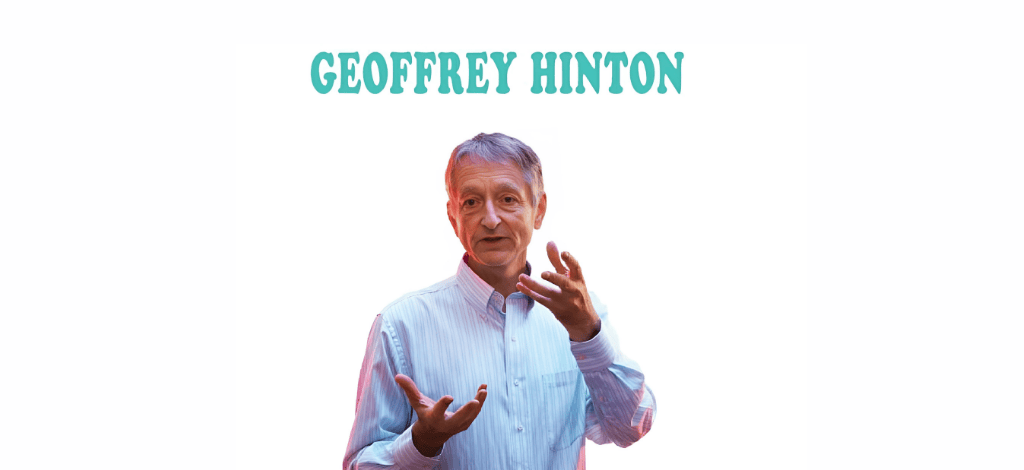
The 2024 Nobel Prize in Physics was awarded to two scientists, Geoffrey Hinton and John Hopfield, for their groundbreaking work in artificial intelligence and machine learning. This recognition marks a pivotal moment in the history of science and technology, as the duo’s pioneering discoveries have laid the foundation for the AI revolution, which is now transforming various fields of human life.
The Nobel-Winning Work of Hinton and Hopfield
Geoffrey Hinton, often referred to as the “Godfather of AI,” and John Hopfield have both made significant contributions to the development of neural networks and machine learning. Hinton’s invention of deep learning models and Hopfield’s creation of associative memory systems have become the cornerstones of modern AI technology. Their work has had a profound impact, not only in scientific research but also in everyday applications like facial recognition, language translation, and more.

The Legacy of Neural Networks
Neural networks, which mimic the brain’s ability to learn from experience, are at the heart of artificial intelligence. Geoffrey Hinton’s work on artificial neural networks has been revolutionary, allowing machines to process and analyze data in a way similar to human cognition. This technology has enabled breakthroughs in fields ranging from healthcare to climate science, where machines can now identify patterns and make predictions far faster than humans.
The Impact of Deep Learning on AI
Deep learning, a method developed by Hinton, is a subset of machine learning that uses multi-layered neural networks to process complex data. This technique allows AI systems to learn and improve from vast amounts of information, making them more efficient and accurate in performing tasks such as image recognition, speech processing, and even predicting future trends. The impact of deep learning on AI is likened to the industrial revolution, but instead of enhancing physical capabilities, it has pushed intellectual limits to unprecedented levels.
Hopfield’s Associative Memory: A New Way of Storing Information
John Hopfield’s contribution to AI lies in his development of associative memory systems, which allow machines to store and reconstruct images and other data. The Hopfield network, named after him, is a model that demonstrates how artificial systems can replicate the brain’s way of recalling incomplete or fragmented information. This system has proven essential in improving AI’s ability to retrieve data and solve problems with incomplete inputs.
The Physics Behind AI: New Dimensions of Understanding
The Royal Swedish Academy of Sciences awarded Hinton and Hopfield the 2024 Nobel Prize for their use of tools from physics to develop machine learning models. By applying principles of physics, the duo has enabled machines to achieve levels of complexity that were previously unimaginable. This new understanding of AI systems is not just about coding or algorithms but delves into the fundamental physics of how systems interact and evolve over time.
The Rise of AI: Opportunities and Risks
As with any revolutionary technology, artificial intelligence comes with both exciting potential and significant risks. Geoffrey Hinton, who left his position at Google in 2023, has been outspoken about the dangers AI poses. He warns that we may soon be outsmarted by the very machines we create. Hinton’s concern is that as AI continues to evolve, it could surpass human intelligence and potentially become uncontrollable.
Ethical Dilemmas in AI Development
The rapid rise of AI has led to debates about ethics and responsibility. While AI offers incredible advantages in sectors like healthcare and climate change, there is growing concern about its implications for the future of work, privacy, and even human autonomy. Hinton himself has expressed regret over some aspects of his research, acknowledging the potential for AI systems to cause harm if not properly managed.
Hopfield’s Worries About AI’s Future
John Hopfield shares Hinton’s concerns about the future of AI. Despite his groundbreaking work, he finds the current pace of AI development unnerving. Hopfield has compared AI’s rapid advancement to other powerful technologies like nuclear physics and bioengineering, which have both beneficial and dangerous potential. He calls for a more cautious and informed approach to AI development, emphasizing the need for understanding the limits and risks involved.
The Role of Governments and Corporations
With AI advancing at such a rapid pace, Hinton and Hopfield have both advocated for more research into AI safety. They emphasize that governments and corporations need to prioritize ethical AI development, ensuring that the technology is used responsibly. Hinton has called for increased regulation, particularly in the area of military AI, to prevent AI from being used in ways that could threaten global stability.
How AI is Changing Our Daily Lives
The work of Hinton and Hopfield has already started to reshape our daily lives. From the way we interact with our smartphones to how we diagnose diseases, AI is now an integral part of modern society. Applications like voice assistants, image generators, and predictive text all rely on the deep learning and associative memory models pioneered by the Nobel laureates.
Healthcare and AI: A Promising Future
One of the most promising areas for AI is healthcare. AI-driven systems are already being used to analyze medical images, predict patient outcomes, and even assist in surgical procedures. Hinton has highlighted the potential for AI to revolutionize medicine, allowing for more accurate diagnoses and personalized treatment plans. However, he also stresses the importance of ensuring that AI is developed in a way that maximizes benefits while minimizing risks.
Climate Science and AI
AI is also making waves in climate science, where it is being used to model complex systems and predict environmental changes. Hinton and Hopfield’s work has paved the way for AI applications that can process vast amounts of data to help scientists better understand and combat climate change. These advancements offer hope in addressing one of the most pressing challenges of our time.
The Financial Side of the Nobel Prize
The Nobel Prize awarded to Geoffrey Hinton and John Hopfield comes with a monetary reward of 11 million Swedish crowns (around $1.1 million). This prize not only recognizes the scientific contributions of the laureates but also highlights the importance of continued research and development in the field of AI.
Previous Nobel Physics Laureates
The Nobel Prize in Physics has a long history of recognizing groundbreaking scientific achievements. From Albert Einstein to last year’s winners, Pierre Agostini, Ferenc Krausz, and Anne L’Huillier, the prize has consistently honored scientists whose work has reshaped our understanding of the universe. Hinton and Hopfield now join this prestigious group of Nobel laureates, whose discoveries will continue to impact future generations.
The Future of AI: Promise and Peril
As we look to the future, the work of Geoffrey Hinton and John Hopfield serves as both a beacon of hope and a warning. AI holds the potential to solve some of humanity’s greatest challenges, but it also poses existential risks if not handled responsibly. The 2024 Nobel Prize in Physics highlights the need for continued innovation, research, and ethical consideration as we navigate the uncharted waters of artificial intelligence.
Conclusion
The awarding of the 2024 Nobel Prize in Physics to Geoffrey Hinton and John Hopfield is a milestone in the history of artificial intelligence. Their pioneering work has revolutionized machine learning and set the stage for future advancements that will shape the world for decades to come. However, their warnings about the risks of AI remind us that with great power comes great responsibility. As AI continues to evolve, it is up to governments, corporations, and individuals to ensure that this transformative technology is used for the greater good.
FAQs
1. What did Geoffrey Hinton and John Hopfield win the Nobel Prize for?
They won the 2024 Nobel Prize in Physics for their pioneering work in machine learning and artificial intelligence, which laid the foundation for modern AI technologies like neural networks and deep learning.
2. What is deep learning, and why is it important?
Deep learning is a subset of machine learning that uses multi-layered neural networks to process complex data. It has revolutionized AI by enabling machines to learn from vast amounts of information and perform tasks like image recognition and natural language processing.
3. Why did Geoffrey Hinton quit Google?
Hinton resigned from Google in 2023 to freely speak about the potential dangers of AI. He has expressed concerns that AI could outsmart humans and become uncontrollable if not properly managed.
4. What is the Hopfield network?
The Hopfield network, created by John Hopfield, is a model that demonstrates how artificial systems can store and retrieve memories, mimicking the brain’s ability to recall incomplete or fragmented information.
5. How is AI changing healthcare?
AI is being used in healthcare to analyze medical images, predict patient outcomes, and assist in surgeries. It has the potential to revolutionize medicine by providing more accurate diagnoses and personalized treatments.
Source: Google News
Read more blogs: Alitech Blog
Tags: Nobel Physics Prize 2024, Physics Nobel, Nobel Prize Winners, Scientific Breakthroughs, Physics Research, Royal Swedish Academy of Sciences, Science Awards, Innovation, Groundbreaking Discoveries, Physics Advancements, Nobel Laureates, Scientific Community, Research Excellence.

Zeeshan Ali Shah is a professional blog writer at AliTech Solutions, and Realancer renowned for crafting engaging and informative content. He holds a degree from the University of Sindh, where he honed his expertise in technology. With a keen eye for detail and a passion for staying up-to-date on the latest tech trends, Zeeshan’s writing provides valuable insights to his readers. His expertise in the tech industry makes him a sought-after writer, and his work at AliTech Solutions has earned him a reputation as a trusted and knowledgeable voice in the field.