


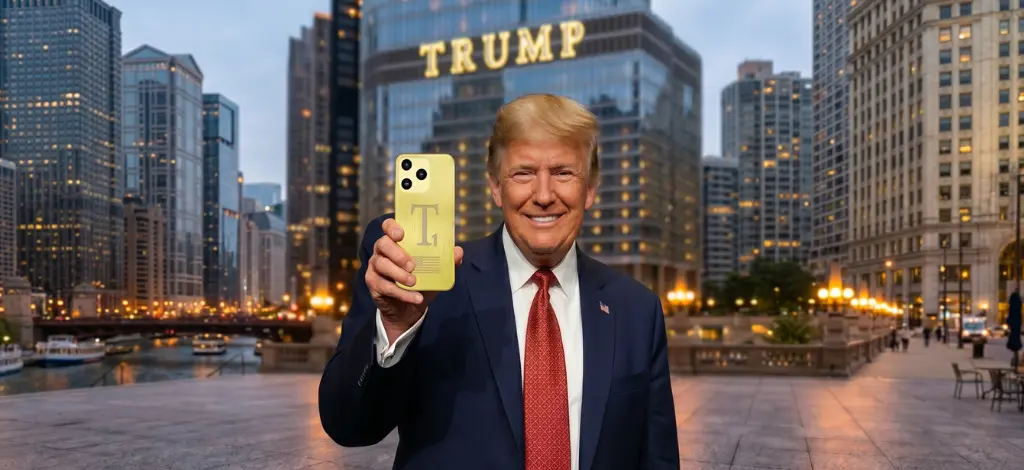
The Trump Mobile T1 phone entered the market riding on massive hype, presented as more than just another smartphone. It was marketed as a symbol of “American values” and positioned as an alternative to global tech giants. This branding strategy quickly drew attention, especially from consumers looking for products that align with national identity. The company also promoted impressive preorder numbers, suggesting huge demand and strong market interest.
However, as the device finally began shipping after months of delays, the reality started to look very different from the original vision that had been sold to the public.
Reports of a major data leak quickly shifted the narrative
The situation took a serious turn when reports surfaced about a potential data leak affecting Trump Mobile customers. According to online creators and cybersecurity analysts, a simple vulnerability in the company’s website allowed access to sensitive user information. This reportedly included names, email addresses, phone numbers, and shipping details, raising immediate concerns about privacy and security.
Although payment information was not exposed, the leak of personal identity data alone was significant enough to cause alarm. What made the issue even more concerning was how basic the exploit appeared to be, suggesting a lack of strong security practices.
The scale of the exposure raised even more questions
As more details emerged, the scale of the alleged data exposure became a major talking point. Reports indicate that around 10,000 unique customers and roughly 30,000 orders may have been affected by the vulnerability. These figures sharply contrast with earlier claims hinting at up to 600,000 preorders.
This discrepancy has led many to question the accuracy of Trump Mobile’s marketing and whether the company exaggerated its success. The gap between reported and actual numbers has added another layer of controversy, turning the situation into both a security and a credibility issue.
Trump Mobile’s silence has added to public concern
One of the most frustrating aspects for observers has been the company’s lack of a clear response. Despite the seriousness of the allegations, Trump Mobile has not issued a detailed public statement addressing the data leak issue. According to reports, attempts were made to privately notify the company about the vulnerability before it became public, but these warnings were allegedly ignored.
This lack of communication has increased skepticism and frustration among customers and critics alike. In situations involving data security, transparency is critical, and the absence of it often leads to further distrust.
The “Made in America” claim has come under heavy scrutiny
Another major controversy surrounds the T1 phone’s original “Made in America” claim. At launch, this was one of the device’s biggest selling points, setting it apart from rivals that rely heavily on overseas manufacturing. However, as time passed, the wording quietly changed. The company began using more vague language, describing the phone as “designed with American values” rather than explicitly stating it was made in the United States.
This shift has raised questions about whether the original claim was ever fully accurate or simply a marketing tactic. Industry experts and journalists have pointed out that while the phone may be assembled in the U.S., many of its components are likely imported, which complicates the “Made in USA” narrative.
Evidence suggests the phone may be a rebranded device
Adding to the controversy are claims that the Trump Mobile T1 phone may not be a completely original device. Reports suggest that the T1 closely resembles existing smartphones already available in the market at a much lower price. Some comparisons have been drawn to devices that retail for around 100 dollars, leading to speculation that the T1 is essentially a rebranded model with cosmetic changes.
If true, this would significantly undermine the product’s value proposition and raise concerns about transparency in how it was marketed to consumers.
The pricing strategy has also been questioned
The T1 phone was launched with a price tag of 499 dollars, positioning it as a mid‑range device with premium branding. However, if the internal hardware closely matches that of much cheaper phones already on the market, this pricing becomes difficult to justify.
Consumers expect a certain level of performance and innovation at that price point, and any mismatch between cost and actual value can lead to disappointment. This issue has been widely discussed online, with many critics arguing that the product does not offer enough to justify its price.
Design flaws have added to the negative perception
Beyond technical and security issues, even the design of the phone has come under criticism. One of the most talked‑about problems is the American flag printed on the device, which reportedly contains only 11 stripes instead of the correct 13.
While this might seem like a small detail, it carries symbolic weight given the product’s heavy reliance on patriotic branding. For many, this error represents a lack of attention to detail and further undermines the credibility of the brand.
Financial concerns around deposits have raised red flags
Another area of concern involves the 100‑dollar deposits that customers were required to pay to preorder the phone. Initially, these deposits were seen as evidence of strong demand and a substantial revenue stream for the company. However, with the reported lower number of actual customers, the total amount collected may be far smaller than previously suggested.
Additionally, updated terms indicate that paying a deposit does not guarantee that the product will be delivered, which has left many customers uneasy about their purchase and the reliability of the company’s commitments.
The “unlimited” mobile plan may not be as unlimited as advertised
Trump Mobile’s service plan has also faced criticism for potentially misleading claims. While marketed as an “unlimited” plan, reports suggest that there are limitations buried in the fine print. These may include reduced speeds after a certain usage threshold and restrictions on video quality.
This is not uncommon in the telecom industry, but the way it was presented has led some customers to feel misled. Transparency in service terms is essential, and any lack of clarity can damage trust, even if the practices are technically standard.
Social media backlash has amplified the controversy
As news of these issues spread, social media quickly became a major platform for criticism and discussion. Influencers, tech reviewers, and everyday users shared their concerns, often highlighting the discrepancies between what was promised and what was delivered.
Viral posts and videos have played a significant role in shaping public perception, turning what might have been a niche issue into a widely discussed controversy. This kind of online attention can be difficult for any brand to manage, especially when the criticism is consistent and widespread.
Political and regulatory attention is increasing
The controversy has also attracted the attention of political figures, adding another layer of complexity. Reports indicate that Democratic lawmakers have urged the FTC to investigate Trump Mobile, particularly regarding its “Made in USA” claims and data security practices.
This could potentially lead to formal investigations if consumers were misled or put at risk. When a tech product crosses into the realm of political and regulatory scrutiny, the stakes become much higher for the company involved.
The situation highlights the importance of cybersecurity
One of the biggest lessons from this controversy is the importance of strong cybersecurity practices. Even a simple website vulnerability can lead to significant consequences if it exposes sensitive user data.
In today’s digital world, customers expect companies to take data protection seriously. Any failure in this area can have lasting effects on trust. This incident serves as a reminder that security should never be an afterthought, especially for companies entering the tech space.
Consumer trust has taken a significant hit
Trust is one of the most valuable assets for any brand, and once it is damaged, it can be very difficult to rebuild. The combination of data security concerns, questionable marketing claims, and product inconsistencies has created a challenging situation for Trump Mobile.
Customers who initially supported the brand may now feel uncertain about their decision, and potential buyers may think twice before making a purchase. Rebuilding trust will require more than just fixing technical issues; it will demand clear communication, accountability, and verifiable actions.
The future of Trump Mobile remains uncertain
Looking ahead, the future of Trump Mobile is far from clear. The company faces multiple challenges, from addressing security concerns to clarifying its marketing claims and improving product quality.
Whether it can recover from this situation will depend on how it responds in the coming weeks and months. A strong, transparent approach could help rebuild confidence, but continued silence or further missteps could further damage the brand.
The controversy serves as a cautionary tale for tech startups
In many ways, the Trump Mobile situation is a reminder of how quickly things can go wrong in the tech industry. Launching a product with bold promises can generate excitement, but failing to deliver on those promises can lead to backlash just as quickly.
Startups and new entrants must balance ambition with execution, ensuring that their products meet the expectations they set. Otherwise, the gap between promise and reality can become their biggest weakness.
Consumers should stay cautious when buying new tech products
For consumers, this situation highlights the importance of doing thorough research before making a purchase. It’s easy to get caught up in marketing hype, especially when a product is positioned as something unique or groundbreaking.
However, looking at independent reviews, verifying claims, and reading terms and conditions can help avoid disappointment. Being an informed buyer is the best defense against misleading products.
The Trump Mobile backlash continues to grow
As more details emerge and discussions continue, the backlash against Trump Mobile shows no signs of slowing down. What started as a promising product launch has turned into a complex controversy involving data security, marketing claims, and consumer trust.
The situation is still evolving, and its long‑term impact remains to be seen. For now, it stands as a powerful example of how quickly public perception can shift when expectations are not met.
Conclusion
The Trump Mobile T1 phone controversy reflects a broader issue in the tech industry where bold marketing, weak execution, and lack of transparency can quickly erode consumer trust. From alleged data leaks to questionable “Made in America” claims, the situation highlights the importance of accountability, security, and honest communication.
Whether Trump Mobile can recover from this backlash will depend on how effectively it addresses these concerns and rebuilds credibility with its audience.
FAQs
- Did Trump Mobile actually leak customer data?
The data leak has been reported by multiple sources, but it is still considered an alleged vulnerability and has not been officially confirmed by the company. - What data was exposed in the Trump Mobile issue?
Reports suggest that names, email addresses, phone numbers, and shipping details were accessible, but payment information was not exposed. - Is the Trump Mobile T1 phone really made in the USA?
The company has shifted its language from “Made in America” to “designed with American values,” raising doubts about the full extent of U.S. manufacturing. Experts believe the phone may be assembled in the U.S. using largely imported components. - How many people ordered the Trump Mobile phone?
While earlier claims suggested up to roughly 600,000 preorders, more recent reports indicate the actual number may be closer to around 10,000 customers. - Should consumers trust Trump Mobile products?
Consumers should carefully evaluate the available information, independent reviews, and the company’s transparency before making a decision. Given the current controversies, extra caution is advisable.
Stop paying for connects and start working freely — join Realancer today: Join Now
Read more blogs: Alitech Blog

Zeeshan Ali Shah is a professional blog writer at AliTech Solutions, and Realancer renowned for crafting engaging and informative content. He holds a degree from the University of Sindh, where he honed his expertise in technology. With a keen eye for detail and a passion for staying up-to-date on the latest tech trends, Zeeshan’s writing provides valuable insights to his readers. His expertise in the tech industry makes him a sought-after writer, and his work at AliTech Solutions has earned him a reputation as a trusted and knowledgeable voice in the field.


Leave a Reply