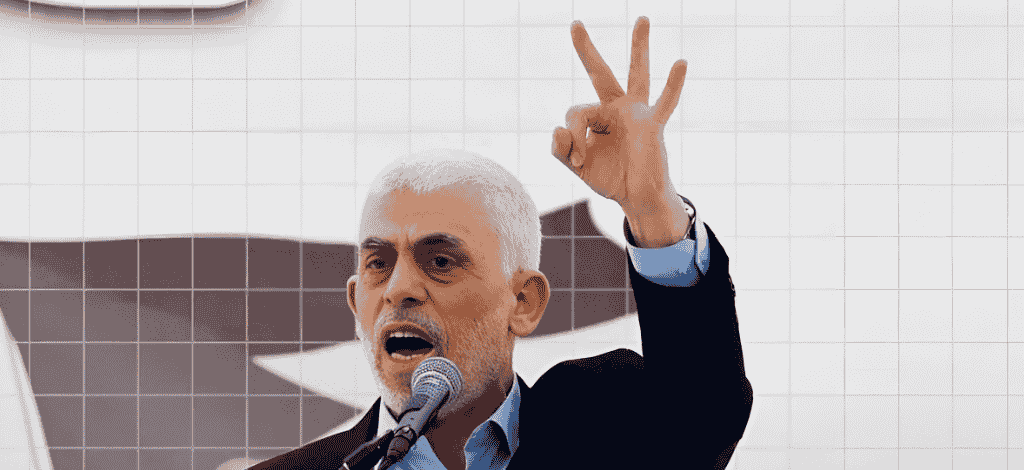
Introduction to the Conflict
The Israeli-Palestinian conflict is one of the most complex and long-standing disputes in modern history, with layers of political, social, and religious factors. Recently, the killing of Yahya Sinwar, a key Hamas leader, has marked a pivotal moment in this prolonged struggle. Sinwar, accused of orchestrating the devastating October 7 attack on Israel, had become Israel’s primary target. This article delves into his role, the circumstances of his death, and the implications for the future of the region.
Who Was Yahya Sinwar?
Yahya Sinwar was not just a figurehead in Hamas but the mastermind behind much of the militant group’s activities. Born in 1962 in the Khan Yunis refugee camp in Gaza, Sinwar rose to power through a combination of military strategy and political maneuvering. By 2017, he had been elected as Hamas’ leader in Gaza, making him one of the most influential and feared figures in the region. His ties to Iran and deep-rooted ideology of resistance against Israel placed him at the center of numerous violent confrontations over the years.
The Role of Yahya Sinwar in Hamas
Sinwar’s leadership was not limited to politics. He was deeply involved in Hamas’ military operations. Known for his strategic brilliance, Sinwar co-founded the group’s intelligence arm, which has been responsible for orchestrating several attacks against Israel. His name became synonymous with resistance, particularly after his involvement in the abduction and murder of Israeli soldiers. His brutal tactics made him a revered figure among Hamas supporters, but a top target for Israeli forces.
The October 7 Attack: What Happened?
The turning point in the current conflict was the brutal attack on Israel on October 7, 2023. In a coordinated effort, Hamas launched cross-border raids that left around 1,200 Israelis dead and more than 200 abducted. The attack was seen as a catastrophic failure of Israel’s intelligence and defense systems. Yahya Sinwar, identified as the architect of this operation, became the No. 1 target for Israeli forces. The attack escalated the war between Israel and Hamas, leading to widespread destruction in Gaza and significant loss of life.
The Hunt for Yahya Sinwar
Israel’s military and intelligence agencies, with backing from the United States, launched an exhaustive manhunt for Sinwar following the October 7 attack. While he managed to evade capture for over a year, operating from the devastated Gaza Strip, Israeli forces were relentless in their pursuit. Despite the extensive resources dedicated to finding him, Sinwar remained elusive, leading many to believe he was in hiding, yet still actively coordinating Hamas’ military actions.
The Firefight That Led to His Death
On Wednesday, in an unexpected turn of events, a unit of trainee squad commanders encountered Yahya Sinwar during an operation in southern Gaza. The ensuing firefight resulted in the retrieval of a body that appeared to be Sinwar’s. To confirm his identity, Israeli officials used multiple verification methods, including dental records, fingerprints, and DNA testing. The Israeli government officially announced his death the following day, marking the end of one of the most intense manhunts in the conflict’s recent history.
The Significance of Sinwar’s Death
Sinwar’s death represents a significant blow to Hamas’ leadership. As the top military and political leader of the organization, his influence extended beyond mere tactical decisions. His ability to inspire and command the loyalty of Hamas’ fighters made him a key figure in the resistance movement. The question now remains: will his death weaken Hamas or embolden them to continue their fight?
Israeli Reaction to the Killing
Israeli Prime Minister Benjamin Netanyahu was cautious in his response to the news of Sinwar’s death. While he stopped short of declaring total victory, Netanyahu did emphasize that the removal of such a significant figure from Hamas’ leadership is a major success for Israeli forces. He also reiterated his commitment to securing the release of hostages still held by Hamas, offering leniency to militants willing to surrender and release captives.
The U.S. Perspective: A Game-Changer?
For months, U.S. officials had regarded Sinwar’s death as a potential “game-changer” in the ongoing conflict. The Biden administration, which had been supporting Israel both diplomatically and militarily, believed that eliminating Sinwar could lead to a de-escalation of violence. The hope was that his death would open the door to renewed negotiations between Israel and Hamas, potentially leading to a cease-fire and the release of hostages.
Hamas’ Leadership Crisis
With Sinwar gone, Hamas faces a leadership crisis. The militant group, while decentralized to an extent, relied heavily on Sinwar’s strategic guidance. His death creates a power vacuum that could lead to internal struggles within the organization. While other leaders like Mohammed Sinwar (Yahya’s brother) and Khalil al-Hayya remain, none have the same level of influence or strategic acumen that Yahya possessed. The question is whether Hamas can regroup and continue its operations or if this marks the beginning of its decline.
The Humanitarian Crisis in Gaza
The ongoing war has had devastating effects on the civilian population in Gaza. Tens of thousands of Gazans have lost their lives, and the humanitarian crisis shows no sign of abating. The destruction of homes, schools, hospitals, and vital infrastructure has left the region in ruins. While Sinwar’s death might offer a momentary reprieve, the broader issues remain unresolved. The people of Gaza are caught between a brutal conflict and a collapsing infrastructure, with little hope for immediate relief.
Potential for Peace or Escalation?
Will Sinwar’s death lead to peace, or will it escalate the conflict further? This is the question on everyone’s minds. While some see his removal as a chance for negotiations, others fear that it might provoke retaliatory attacks from Hamas. The group’s decentralized structure means that even without Sinwar, militants could continue their resistance, prolonging the violence. On the other hand, Israel may now feel emboldened to pursue even more aggressive actions against Hamas, seeing this as an opportunity to dismantle the organization entirely.
Netanyahu’s Offer to Hamas
In an unusual move, Netanyahu extended an offer to Hamas militants: lay down your weapons and return the hostages, and you will be allowed to “leave and live.” This offer, coming in the wake of Sinwar’s death, suggests that Israel might be willing to negotiate, but only from a position of strength. Whether Hamas will accept this offer or continue its fight remains to be seen, but it presents a rare window for potential de-escalation.
International Reactions
The international community has been closely monitoring the situation. While some nations have expressed relief at Sinwar’s death, others have called for restraint, fearing that his assassination could further destabilize the region. The United Nations and humanitarian organizations have continued to call for a cease-fire, emphasizing the need to address the humanitarian crisis in Gaza. Sinwar’s death, while significant, has not lessened the calls for a diplomatic solution to the conflict.
Conclusion: A Pivotal Moment in the Conflict
The death of Yahya Sinwar marks a critical juncture in the Israel-Hamas conflict. While it is undoubtedly a major victory for Israel, the long-term effects remain uncertain. Will it bring an end to the violence, or will it fuel further conflict? The future of Gaza, Israel, and the broader Middle East hangs in the balance, with the world watching closely.
As both sides assess their next moves, the hope remains that this pivotal moment could lead to peace, though history suggests that the road ahead will be anything but smooth.
FAQs
1. Who was Yahya Sinwar?
Yahya Sinwar was a key leader of Hamas, responsible for much of the group’s military and political activities. He became Israel’s top target after orchestrating the October 7, 2023, attack on Israel.
2. How did Israeli forces confirm Sinwar’s death?
Israeli forces used dental records, fingerprints, and DNA testing to confirm Sinwar’s identity after recovering his body during a firefight in southern Gaza.
3. What impact will Sinwar’s death have on Hamas?
Sinwar’s death is a major blow to Hamas, but the group’s decentralized structure means it could continue its operations. However, his absence creates a leadership vacuum.
4. What was Netanyahu’s offer to Hamas after Sinwar’s death?
Netanyahu offered Hamas militants the chance to lay down their weapons and release hostages in exchange for being allowed to leave and live.
5. Could Sinwar’s death lead to peace?
While some see his death as a chance for negotiations, others fear it could provoke more violence. The long-term impact on the conflict remains uncertain.
Source: Google News
Read more blogs: Alitech Blog
Tags: Yahya Sinwar, Hamas leader, Palestinian militant, Gaza Strip, Israeli-Palestinian conflict, terrorism, Islamic Resistance Movement, Hamas Political Bureau, Gilad Shalit, prisoner exchange, Israeli military, Iran-Palestine relations, Middle East politics, Palestinian resistance, war crimes, crimes against humanity, International Criminal Court,Yahya Sinwar death, Yahya Sinwar killed, Yahya Sinwar assassination,Yahya Sinwar dead.

Zeeshan Ali Shah is a professional blog writer at AliTech Solutions, and Realancer renowned for crafting engaging and informative content. He holds a degree from the University of Sindh, where he honed his expertise in technology. With a keen eye for detail and a passion for staying up-to-date on the latest tech trends, Zeeshan’s writing provides valuable insights to his readers. His expertise in the tech industry makes him a sought-after writer, and his work at AliTech Solutions has earned him a reputation as a trusted and knowledgeable voice in the field.