


Background: Escalating Tensions
In recent days, Israel has increased its military actions against Iran, marking a pattern of gradual escalation. Israel’s Gradual Escalation Against Iran This approach aligns with Israel’s longstanding tactic of pre-emptive measures to counter what it sees as threats from Iran’s military and nuclear activities. Escalation Against Iran The recent Israeli airstrikes have targeted sites within Iran that are believed to have military significance, in cluding areas with suspected nuclear and missile development.
The Recent Airstrikes and IDF Video Release
The Israel Defense Forces (IDF) recently released video footage and images showing Israeli fighter jets preparing for and executing airstrikes against specific targets within Iran. The public release of these images appears to be a strategic move to assert Israel’s military readiness and send a message both to Iran and the international community.
Iran’s Response and Regional Impact
In response, Iranian officials have issued statements urging caution, with some Iranian leaders calling for the public not to overreact or underplay the significance of the attacks. Escalation Against For Iran, these airstrikes highlight the risk of escalating conflict but also provide an opportunity to rally national and regional support.
Analysis: A “Tried and Tested Tactic”
As DAWN.com’s article by Baqir Sajjad Syed describes, Israel’s approach of gradual escalation is not new. Israel has historically employed targeted strikes to weaken potential threats while avoiding full-scale conflict, particularly with countries like Iran, where direct confrontation would have far-reaching consequences for regional stability.
International Reactions and Possible Outcomes
The international community remains watchful, with the United Nations and key global players urging both sides to exercise restraint. Neighboring countries are also on alert, given the potential spillover of such hostilities. Analysts suggest that the escalation could either lead to heightened regional proxy conflicts or eventually compel both nations to seek diplomatic resolutions.
Historical Context: Israel’s Pre-Emptive Strategy
Israel’s approach to Iran has often centered on pre-emptive tactics. This strategy traces back to Israel’s belief in acting proactively to eliminate potential threats, a tactic that has been applied since the 1981 airstrike on Iraq’s Osirak nuclear reactor. In recent years, Israel has used this approach with Iran, targeting suspected nuclear sites, military facilities, and infrastructure linked to Iranian-backed groups in Syria and Lebanon. Israel’s intelligence and military capabilities allow it to conduct precise airstrikes while aiming to avoid larger-scale conflict.
Key Locations Targeted in the Recent Strikes
The recent airstrikes reportedly targeted critical Iranian sites with connections to defense and potential nuclear activities, particularly in sensitive locations. While the exact nature of the facilities targeted has not been disclosed, satellite images suggest these locations could have significant strategic or technological value, Escalation Against Iran potentially linked to Iran’s missile or defense development projects. Escalation Against Iran These strikes serve as a signal that Israel is actively monitoring and countering what it perceives as advances in Iran’s military capabilities.
Iran’s Response: A Call for Caution
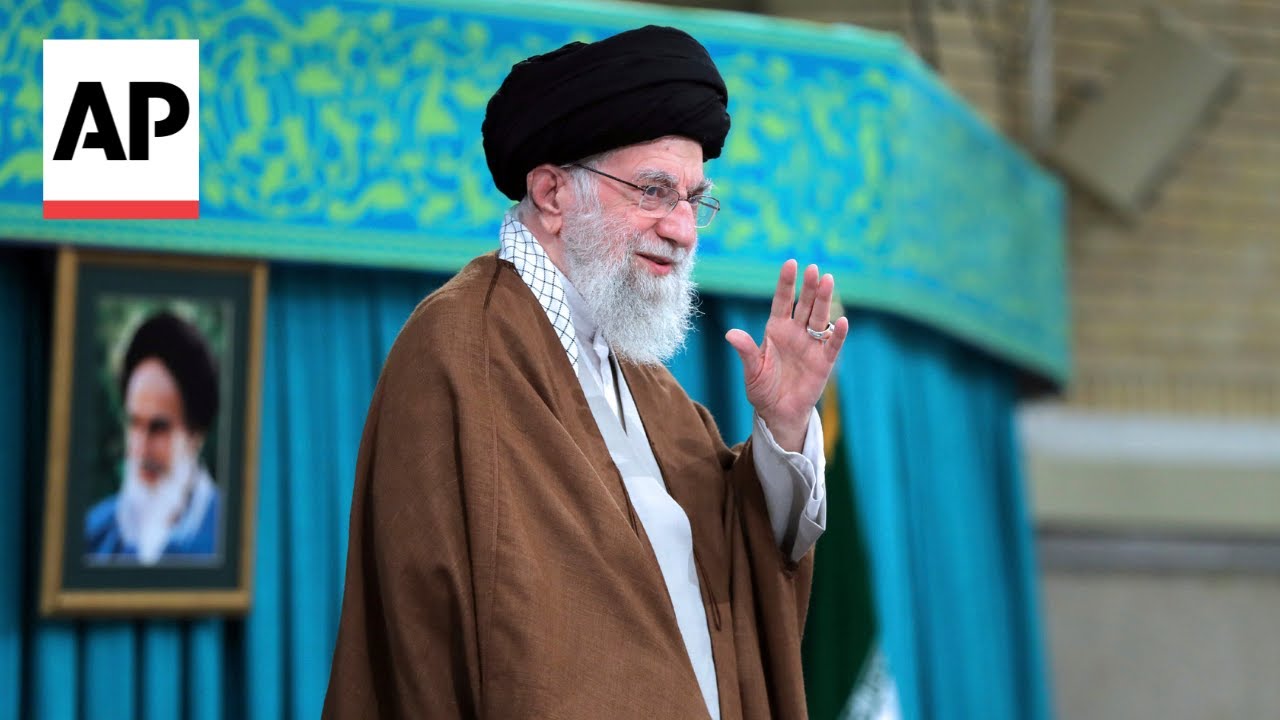
Iranian leaders, aware of the regional and international implications, Escalation Against Iran have responded by advising against exaggerated or downplayed reactions. Iran’s Supreme Leader and high-ranking officials have emphasized the Escalation Against Iran importance of a balanced response, seeking to manage public sentiment and prevent panic. Internally, Escalation Against Iran there are concerns over public morale and economic strain, with Iranian citizens facing the compounded stress of military threats alongside economic hardships and international sanctions.
Implications for Regional Stability
This escalation is not isolated to Iran and Israel. Neighboring countries such as Saudi Arabia, the United Arab Emirates, and Lebanon are paying close attention to the situation. These countries have their own complex relationships with both Iran and Israel, and any increase in hostilities could draw them into the conflict directly or indirectly. Additionally, this heightened state of alert risks affecting oil markets, trade routes, and regional alliances, especially given the proximity of these nations to the world’s main energy corridors.
Global Reactions: Calls for Restraint and Dialogue
The global response has primarily involved calls for restraint. Escalation Against Iran The U.S., while affirming its support for Israel’s right to defend itself, has also urged caution to avoid a full-scale confrontation. Escalation Against Iran European leaders have similarly called for diplomacy, stressing the importance of negotiations to prevent further escalation. Meanwhile, Russia and China have adopted a more neutral stance, likely to protect their own interests in the Middle East and avoid involvement in another regional conflict. Both nations advocate for multilateral discussions and stress the need to prevent an arms race in the region.
Potential for Cyber and Proxy Conflicts
Instead of direct military confrontation, there is a high likelihood of increased cyber warfare and proxy conflicts. Both Iran and Israel have extensive cyber capabilities, Escalation Against Iran and Iran, in particular, may leverage its influence over proxy groups in the region as a response. Hezbollah in Lebanon, as well as various factions in Syria and Iraq, are potential actors that could be mobilized to apply pressure on Israeli interests without direct involvement from the Iranian military. Similarly, Israel might intensify intelligence operations to prevent any covert retaliation.
What’s Next? Three Possible Scenarios
- De-escalation Through Diplomacy: International actors, including the United Nations, could mediate discussions to prevent further escalation. If diplomatic talks are initiated, they may focus on reducing military activities and finding common ground for non-military engagements.
- Controlled Proxy Conflicts: Both countries might engage in a “shadow war” through proxies, avoiding direct conflict but maintaining pressure. This could involve skirmishes or low-intensity conflicts in neighboring regions, particularly Syria and Lebanon.
- Further Escalation: In the absence of diplomatic intervention, there’s a risk of continued airstrikes and countermeasures, which could bring the two nations closer to a direct military confrontation. This scenario would likely lead to economic sanctions, regional insecurity, and heightened military preparedness in the Middle East.
Conclusion
The recent escalation between Israel and Iran has far-reaching implications for both regional and global stability. Israel’s tactic of gradual escalation serves as both a warning and a defensive measure against perceived Iranian threats. Iran, meanwhile, Escalation Against Iran faces the challenge of responding without provoking a full-scale conflict. As both nations continue to maneuver, the international community remains on high alert, hopeful that diplomatic solutions will avert further conflict.
FAQs
1. Why does Israel target Iranian facilities? Israel perceives Iran’s nuclear ambitions and military activities as existential threats and frequently uses pre-emptive strikes to neutralize what it considers high-risk developments.
2. What impact does this have on the region? This escalation heightens tensions across the Middle East, Escalation Against Iran affecting neighboring countries and potentially disrupting economic stability, particularly in energy sectors.
3. How has Iran responded to the recent strikes? Iranian leaders have called for a balanced response, Escalation Against Iran urging the public to avoid panic while signaling a potential, measured response to Israel’s actions.
4. Could this lead to a larger Middle Eastern conflict? While direct war remains unlikely, the situation increases the chances of proxy conflicts and regional instability, especially if diplomatic efforts do not succeed.
5. What role does the international community play? The U.N., U.S., and European countries are advocating for restraint and diplomatic dialogue, hoping to mediate the situation and prevent further hostilities.
Source: Google News
Read more blogs: Alitech blogs