

Introduction
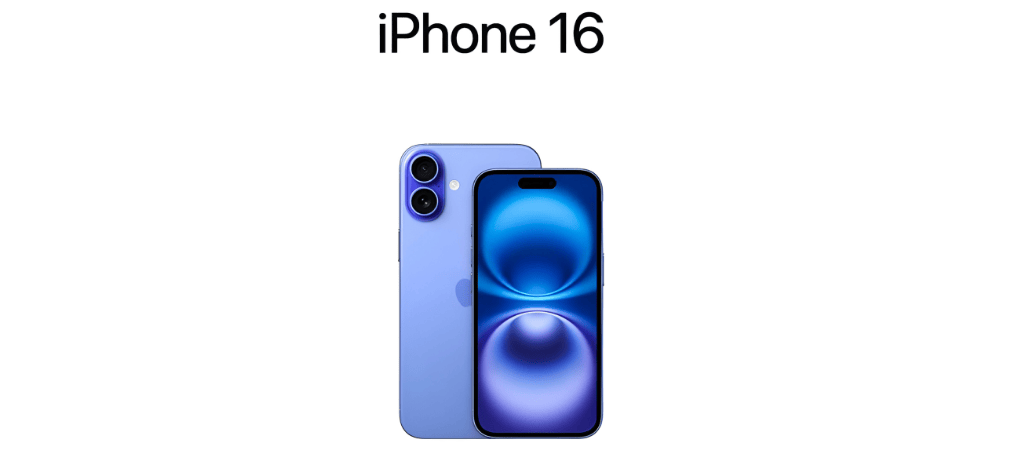
Apple’s iPhone 16 series has taken the tech world by storm—except in Indonesia, where its sale and operation have been banned by the government. The news has sparked intense interest and concern among tech enthusiasts, with the Indonesian government deeming the device “illegal” for local use. Why has such a popular device faced a ban, and what does this mean for potential buyers in Indonesia? Here’s everything you need to know.
Reasons Behind the iPhone 16 Ban in Indonesia
The reason behind the iPhone 16 ban lies mainly in unmet investment commitments and regulatory requirements. Indonesia’s Ministry of Industry requires foreign products to meet specific standards and fulfill certain investment promises as part of their approval process. Unfortunately, Apple has yet to fully comply, resulting in the temporary suspension of iPhone 16 sales.
Understanding Indonesia’s Certification Requirements
To sell products in Indonesia, companies must obtain what’s called the TKDN (Domestic Component Level) certification. This certification requires at least 40% of a product’s components to be locally sourced. For electronics, this can include parts like processors, software, or even assembly processes done within Indonesia.
Unmet Investment Promises by Apple
Apple had committed to investing a considerable sum in Indonesia’s research and development infrastructure. However, it appears that the company has not fully met this investment target, leaving a shortfall. With around IDR 230 billion ($14.75 million) left to invest, the delay has impacted Apple’s certification status, making it challenging to release the iPhone 16 legally in the Indonesian market.
The Role of IMEI Certification in the Ban
Indonesia’s laws require a valid International Mobile Equipment Identity (IMEI) certification for electronic devices. Without this certification, devices cannot legally operate within the country. The lack of IMEI approval has positioned the iPhone 16 series outside of compliance, rendering it “illegal” for use in Indonesia.
Indonesia’s Local Content Requirement for Foreign Companies
The local content requirement is part of Indonesia’s push to encourage domestic industry growth. By requiring foreign companies to source at least 40% of components locally, the government aims to strengthen its industrial ecosystem. Several global companies have adjusted their operations to meet this regulation, setting up local manufacturing or R&D facilities as necessary.
Consequences of Using an iPhone 16 in Indonesia
Using an iPhone 16 within Indonesia is currently considered illegal. If individuals are found using the device, they may face penalties or even have their device confiscated. Local retailers are also prohibited from selling or importing the device, so those wishing to purchase an iPhone 16 will need to look elsewhere or wait for further developments.
Warnings Issued to Consumers
Agus Gumiwang Kartasasmita, Indonesia’s Industry Minister, has issued a clear warning regarding the use of the iPhone 16 in the country. He has encouraged residents to report any instances of its use, stating that the device does not meet the required legal certifications. This measure serves as a reminder to consumers and retailers alike to adhere to national regulations.
Can Travelers Bring an iPhone 16 to Indonesia?
For tourists and short-term visitors, there is some leniency. Travelers can bring up to two iPhone 16 devices for personal use, though these cannot be sold locally. However, for peace of mind, it may be best to avoid displaying the device openly in public.
Impact on Apple’s Market Strategy
Indonesia is one of Southeast Asia’s largest markets, making the iPhone 16 ban a significant setback for Apple. This disruption could hinder Apple’s growth trajectory in the region and may prompt a shift in the company’s strategy. The ban highlights the importance of meeting local regulations to ensure seamless market access.
Potential Solutions and Alternatives for Apple
To address the ban, Apple could consider fulfilling the remaining investment requirements and securing the necessary certifications. Additionally, setting up local assembly facilities or sourcing more components from within Indonesia might help Apple align with the TKDN certification requirements, lifting the ban.
Customer Reactions to the Ban
Public opinion in Indonesia has been mixed. While some consumers express disappointment over not being able to access the latest iPhone model, others appreciate the government’s stance on enforcing local content laws. Social media platforms have also seen discussions on the broader implications of such regulatory decisions.
Implications for Future Apple Releases
If Apple hopes to release future iPhone models in Indonesia without complications, it may need to modify its approach to meeting local content and investment regulations. The iPhone 16 ban serves as a precedent that could influence how Apple handles compliance in international markets.
Comparing with Other Countries’ Regulations
Indonesia isn’t alone in enforcing local content requirements. Several countries have adopted similar regulations, aiming to boost domestic industries by requiring foreign companies to establish local facilities or source components locally. Apple and other tech giants have faced similar challenges in countries like India and Brazil.
Conclusion
The iPhone 16 ban in Indonesia underscores the importance of compliance with local regulations, especially in emerging markets. While the current ban may be a temporary setback for Apple, it serves as a reminder for global brands about the significance of local investment and certification requirements. The future of the iPhone 16 in Indonesia ultimately depends on Apple’s willingness to meet these demands.
FAQs
1. Can tourists use the iPhone 16 in Indonesia?
Yes, tourists are allowed to use the iPhone 16, provided it’s for personal use and not for resale.
2. What are the penalties for using an iPhone 16 illegally?
Penalties may include fines or even confiscation of the device if found in use without proper certification.
3. Will the ban be lifted if Apple meets the investment requirements?
Potentially, yes. If Apple fulfills its investment commitments and meets certification standards, the ban could be lifted.
4. How does the local content requirement affect global companies?
This requirement encourages global companies to invest in local infrastructure or source components locally, promoting domestic economic growth.
5. What should consumers know about purchasing imported devices?
It’s essential to verify that the device meets local regulations and certification requirements to avoid legal issues.
Source: Google News
Read more blogs: Alitech Blog

Zeeshan Ali Shah is a professional blog writer at AliTech Solutions, and Realancer renowned for crafting engaging and informative content. He holds a degree from the University of Sindh, where he honed his expertise in technology. With a keen eye for detail and a passion for staying up-to-date on the latest tech trends, Zeeshan’s writing provides valuable insights to his readers. His expertise in the tech industry makes him a sought-after writer, and his work at AliTech Solutions has earned him a reputation as a trusted and knowledgeable voice in the field.