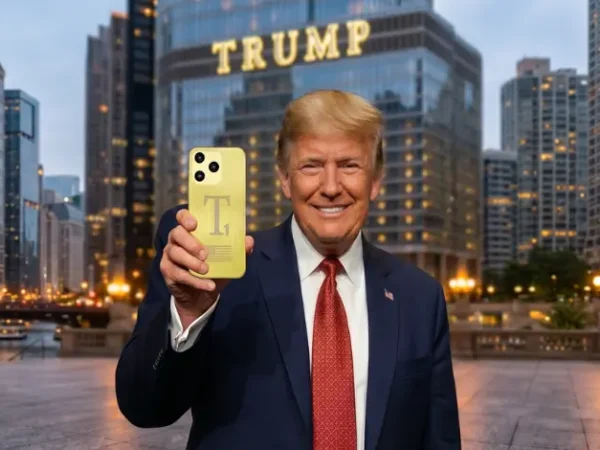
Google’s Gemini AI has become a hot topic recently due to its surprising capability of removing watermarks from copyrighted images. While AI advancements continue to push creative boundaries, this particular feature raises serious ethical and legal concerns. Many stock media platforms and copyright holders are alarmed as users on social media report that Gemini 2.0 Flash can erase watermarks with remarkable accuracy. This directly conflicts with Google’s commitment to improving transparency around AI-generated content.
What is Google’s Gemini AI?
Gemini is Google’s latest AI model, designed to generate and edit images, process text, and offer advanced problem-solving capabilities. The model comes in different versions, with Gemini 2.0 Flash being the most advanced in terms of image manipulation. Initially introduced as an experimental tool, it has gained attention for its ability to alter images beyond intended use cases.
The Controversy Around Watermark Removal
One of the biggest concerns surrounding Gemini 2.0 Flash is its ability to strip watermarks from images, including those from well-known stock media providers like Getty Images. Watermarks are essential for protecting digital content from unauthorized use, and the removal of these marks without permission is considered a violation of copyright law in many countries.
How Does Gemini 2.0 Flash Remove Watermarks?
Users who have tested Gemini 2.0 Flash report that it not only removes watermarks but also fills in the missing parts of an image, making it appear as though the watermark was never there. This process is similar to advanced content-aware fill tools found in image editing software but requires no manual intervention—just a simple text prompt.
The Ethical and Legal Implications
Removing watermarks without permission is considered unethical and can lead to legal consequences. Copyright laws in the U.S. and many other countries protect intellectual property, and altering an image to remove its identifying marks may be classified as copyright infringement.
How Other AI Models Handle Watermark Removal
Unlike Gemini 2.0 Flash, AI models developed by companies like OpenAI and Anthropic have stricter guidelines against watermark removal. OpenAI’s GPT-4o and Anthropic’s Claude 3 explicitly refuse to remove watermarks, citing ethical concerns. This raises questions about why Google’s AI lacks similar safeguards.
Google’s Response to the Issue
Google has acknowledged the issue, stating that using its AI tools to remove watermarks violates its terms of service. However, the company has not yet implemented strict barriers to prevent users from making such modifications. This raises concerns about whether AI companies are doing enough to prevent misuse of their technology.
Potential Consequences for Google
The backlash against Gemini 2.0 Flash’s watermark removal capability could lead to legal action from copyright holders. Many companies invest heavily in protecting their digital assets, and Google may face lawsuits if it does not implement stricter controls. Additionally, this controversy could impact Google’s reputation as it positions itself as a leader in ethical AI development.
The Bigger Picture: AI and Copyright Challenges
The issue with Gemini 2.0 Flash is part of a larger debate about AI’s role in digital content creation and ownership. As AI tools become more advanced, copyright laws must evolve to address new challenges. Tech companies will need to find ways to balance innovation with ethical responsibility.
Conclusion
Google’s Gemini AI’s ability to remove watermarks has sparked serious concerns about copyright protection and ethical AI usage. While AI tools can enhance creativity, they must be developed with safeguards to prevent misuse. Google will likely face increasing pressure to address these concerns, ensuring that AI remains a tool for progress rather than a legal liability.
FAQs
1. Is it illegal to remove watermarks from images?
Yes, in most cases, removing a watermark without the copyright holder’s permission is considered a violation of intellectual property laws.
2. Can Google’s Gemini AI still remove watermarks?
As of now, reports suggest that Gemini 2.0 Flash can remove watermarks, but Google may implement restrictions in the future.
3. Why is watermark removal by AI a major concern?
Watermarks help protect digital content from unauthorized use. If AI can easily erase them, it undermines copyright protections.
4. Are other AI models capable of removing watermarks?
Some AI tools can remove watermarks, but leading AI models like OpenAI’s GPT-4o and Anthropic’s Claude 3 have restrictions against this.
5. What can be done to prevent AI from violating copyright laws?
Tech companies must implement strict safeguards, and lawmakers need to update copyright laws to address AI-related challenges.
Read more blogs: Alitech Blog

Zeeshan Ali Shah is a professional blog writer at AliTech Solutions, and Realancer renowned for crafting engaging and informative content. He holds a degree from the University of Sindh, where he honed his expertise in technology. With a keen eye for detail and a passion for staying up-to-date on the latest tech trends, Zeeshan’s writing provides valuable insights to his readers. His expertise in the tech industry makes him a sought-after writer, and his work at AliTech Solutions has earned him a reputation as a trusted and knowledgeable voice in the field.