A Strange Trend Appears in London
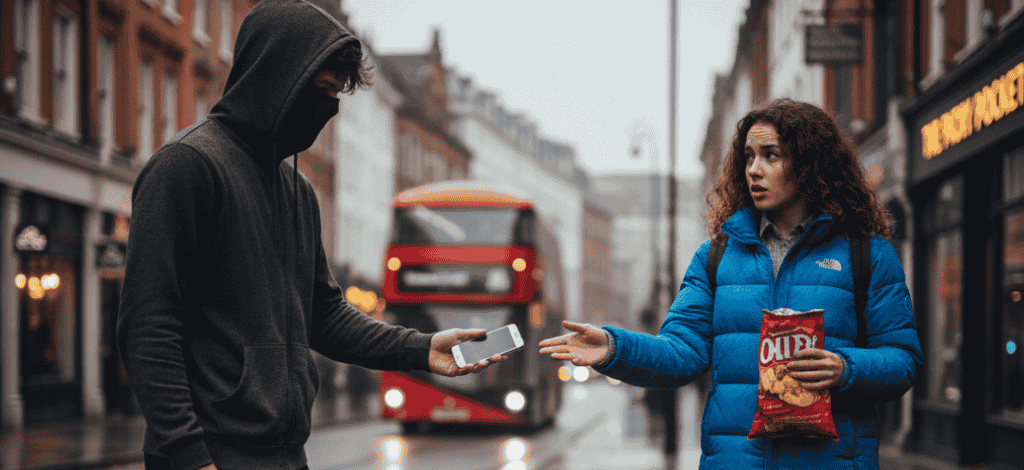
London is witnessing an unusual crime pattern: thieves are targeting only iPhones while ignoring or even returning Android phones. Multiple victims have reported that robbers check the device after snatching it and hand it back immediately if it’s not an iPhone. This bizarre selectiveness has quickly become a talking point across the city.
Why Criminals Only Want iPhones
Thieves prefer iPhones because they consistently hold higher resale value in second-hand and illegal markets. An iPhone—especially newer models—can be sold within minutes for a good price, making it far more attractive than most Android phones. Criminals want quick cash with minimal effort, and iPhones deliver exactly that.
Apple Devices Dominate the Black Market
The demand for used iPhones is global. Whether the device is locked, broken, or region-blocked, there are buyers who want it for parts or refurbishment. Even older models like the iPhone X still attract decent resale prices, which makes the risk worthwhile for criminals stealing them.
Why Android Phones Are Rejected
Android phones, especially Samsung, depreciate much faster. A device bought for £800 may drop to half its value within a year, making it less profitable for thieves. Criminals don’t want phones that require more effort to sell but provide less return.
A Victim Shocked When His Samsung Was Thrown Back
One victim in London reported that after a thief snatched his phone and saw it was a Samsung, the robber literally threw it back at him and rode away. The victim was unharmed but stunned by how uninterested the thief was in anything that wasn’t an iPhone.
Another Victim Was Told “We Don’t Want Samsung”
A London commuter narrated that a group of robbers took his wallet but immediately returned his phone when they saw it wasn’t an iPhone. One of them said, “We don’t want Samsung,” before disappearing into the crowd. Experiences like this are becoming more common.
Attempted Robbery Stopped When the Thief Saw an Android
Another victim shared that he thought someone wanted to borrow his phone to play a song. When he pulled out his Samsung, the person simply turned around and left. Only later did he realize he avoided a snatch-and-run theft because his device wasn’t the model criminals wanted.
How Snatch-and-Run Theft Works
London thieves often use e-bikes or scooters to carry out quick snatch-and-run robberies. They ride close enough to grab the phone and speed off before the victim can react. Because the action is fast, they quickly check the device; if it’s Android, they drop it instantly and continue escaping.
Phone Theft in London Rising Sharply
Over 117,000 mobile phones were reported stolen in London in just one year, making it one of the most targeted personal items. The majority of these thefts involve iPhones due to the reasons criminals find them profitable. This selective trend contributes to the worrying rise in overall phone theft.
Market Data Shows iPhones Hold Their Value
Trade-in and resale platform data clearly demonstrate that iPhones retain 50–60% of their value even after a year, while Android phones often drop to 20–30%. Criminals follow these numbers closely because it determines how much profit they can earn from a stolen device.
Even Broken iPhones Are Worth Something
Thieves don’t mind if an iPhone is damaged. Broken screens, faulty speakers, and dead batteries still make the device valuable for parts. Criminal groups buy broken iPhones in bulk, repair them cheaply, and resell them at high margins.
Android Fragmentation Hurts Their Value
Android devices vary widely in brands, models, and versions. This fragmentation leads to weaker resale demand, inconsistent pricing, and fewer buyers willing to pay high amounts for used or stolen Android phones. As a result, criminals simply avoid them.
Why Social Media Increases iPhone Demand
Apple’s strong presence on platforms like TikTok and Instagram makes iPhones especially desirable among young buyers. Influencer culture, viral posts, and brand loyalty fuel consistent demand, helping iPhones maintain their resale value—and making them high-priority targets for thieves.
Security Features Don’t Fully Stop Theft
Both iPhones and Android devices have strong security systems like Activation Lock and Google’s Theft Detection. While these protections prevent thieves from using the phone personally, they don’t stop them from selling the device for parts or exporting it to markets where unlocking is easier.
iPhone Users Should Stay Extra Alert
Because iPhone owners are prime targets, they should remain cautious while walking near roads, bus stops, bike lanes, or crowded areas. Keeping the phone in an inside pocket, avoiding public display, and using headphones with discretion can greatly reduce the risk of theft.
Important Security Steps for iPhone Owners
Users should enable Find My iPhone, use strong passcodes, activate Face ID, and switch on Lost Mode capabilities. Avoid placing phones on tables in outdoor cafés or holding them loosely while walking in busy zones, especially at night.
Android Users Should Not Assume They’re Safe
Although Android devices are less attractive to criminals, users should still protect their phones. Theft can occur even if the device isn’t the main target—wallets, bags, and other items may still attract criminals. Using Google Find My Device and Samsung Knox adds an extra layer of protection.
Why This Trend Matters for All Londoners
Regardless of brand, the rise in phone theft indicates a broader issue of organized crime and increased street robberies. Understanding why thieves behave selectively helps both police and the public develop better awareness and preventative habits.
Final Thoughts on the iPhone vs Android Theft Gap
London’s new crime trend may sound humorous, but it reveals a serious pattern driven by market demand. Criminals want iPhones because they are easy to resell, profitable, and consistently valuable. Android phones, on the other hand, are often dismissed due to low resale value. Whether you use Apple or Android, staying alert and using your phone carefully in public is essential for personal safety.
Frequently Asked Questions
1. Why do London thieves prefer stealing iPhones over Android phones?
Thieves target iPhones because they have a much higher resale value, stronger global demand, and can be sold easily on black-market channels. Android phones often fetch lower prices, making them less attractive to criminals.
2. Do thieves really return Android phones to victims?
Yes. Multiple reports show that some thieves check the device model and return Android phones, saying they “don’t sell” or have low resale value compared to iPhones.
3. Why do iPhones hold higher value than Android devices?
Apple maintains strong brand prestige, consistent pricing, and a loyal customer base. Even older iPhones sell well internationally, while many Android models quickly lose market value.
4. Are iPhones easier for thieves to resell?
Yes. iPhones have stable demand and standardized hardware, making them easier to resell or strip for parts. Criminal networks often prioritize Apple devices specifically.
5. What are the most common methods used to steal iPhones in London?
Snatch-and-run thefts, bike/scooter drive-bys, pickpocketing in crowded areas, and grabbing phones from people’s hands while they’re using them on the street.
6. Which London areas see the most iPhone thefts?
High-traffic zones such as Oxford Street, Camden Town, Soho, Westminster, and busy Tube stations often report the most cases due to heavy tourist activity.
7. How can I protect my iPhone from being stolen?
Be aware of your surroundings, avoid using your phone openly in crowded streets, use a wrist strap, keep it in zipped pockets, and avoid holding it near the road.
8. What should I do if my iPhone is stolen?
Immediately use Find My to locate or lock the device, enable Lost Mode, and report the theft to the police. You can also remotely erase your data to protect personal information.
9. Are stolen iPhones still usable for thieves?
Stolen iPhones are difficult to use due to Activation Lock, but criminals often resell them for parts or export them to regions where unlocking tools are available.
10. Is this iPhone theft trend likely to continue?
Yes. As long as iPhones maintain high demand and premium value, thieves will continue targeting them over Android devices in major cities like London.
𝗦𝘁𝗮𝗿𝘁 𝗬𝗼𝘂𝗿 𝗙𝗿𝗲𝗲𝗹𝗮𝗻𝗰𝗲 𝗝𝗼𝘂𝗿𝗻𝗲𝘆 𝗳𝗼𝗿 𝗙𝗿𝗲𝗲 𝘄𝗶𝘁𝗵 𝗥𝗲𝗮𝗹𝗮𝗻𝗰𝗲𝗿 — join the waitlist now 👉 https://realancer.net/registration
Read more blogs: Alitech Blog

Zeeshan Ali Shah is a professional blog writer at AliTech Solutions, and Realancer renowned for crafting engaging and informative content. He holds a degree from the University of Sindh, where he honed his expertise in technology. With a keen eye for detail and a passion for staying up-to-date on the latest tech trends, Zeeshan’s writing provides valuable insights to his readers. His expertise in the tech industry makes him a sought-after writer, and his work at AliTech Solutions has earned him a reputation as a trusted and knowledgeable voice in the field.