


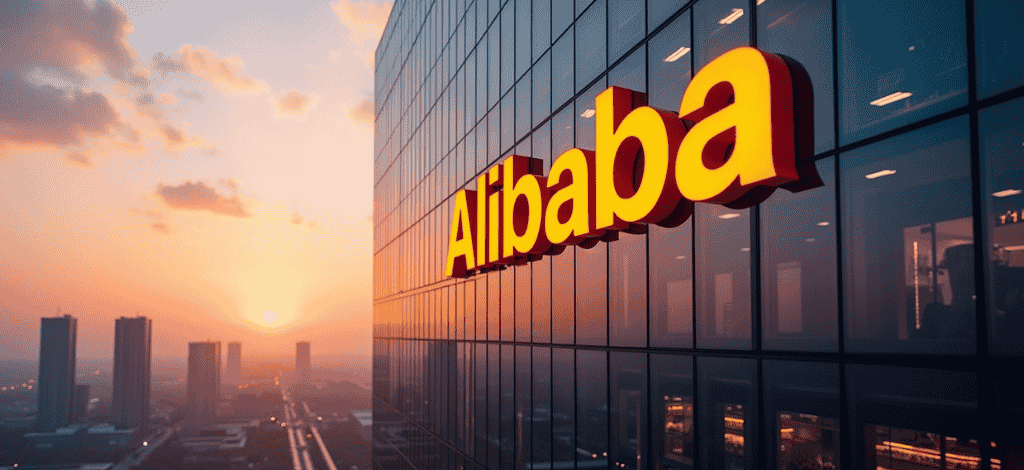
Why AI Needs Massive and Reliable Power
Artificial intelligence may feel digital and weightless, but behind the scenes it is very physical and very hungry for electricity. Training large AI models and running them at scale requires thousands of servers working non-stop, and those servers consume enormous amounts of power every single day.
Formation of the Nuclear-Linked Joint Venture
Alibaba has taken a clear step to address this challenge by setting up an electricity generation joint venture valued at 250 million yuan. The partnership brings Alibaba together with China National Nuclear Power Co. and several other players to explore power generation options for future AI needs.
Role of China National Nuclear Power Co.
China National Nuclear Power Co. is one of the country’s most important nuclear energy companies, and its involvement gives the venture serious credibility. For Alibaba, teaming up with an experienced nuclear leader reduces risk and improves access to stable, long-term electricity.
What the Registration Documents Reveal
According to records on the Tianyancha corporate database, the venture’s scope includes energy generation. While the documents do not spell out how much power will be produced or where facilities will be built, the intention is clear: securing energy for data centers.
Why Details Are Still Limited
Large infrastructure projects often start quietly, and this one is no exception. Alibaba has not publicly commented, which suggests the company is still evaluating technical, regulatory, and financial aspects before making big announcements.
Microsoft’s Nuclear Energy Agreements
Alibaba is not alone in this strategy. Microsoft has already signed deals with nuclear power providers to ensure a steady flow of clean electricity for its expanding AI data centers, especially as grid delays slow traditional expansion.
Meta’s Clean Energy Strategy
Meta has also joined the nuclear conversation, looking for reliable, carbon-free power that can operate around the clock. For companies running global platforms, even short power interruptions can be extremely costly.
China’s Preference for Solar and Wind
In China, government policy has traditionally leaned toward massive investments in solar and wind energy. The country leads the world in renewable installations, and these sources remain central to its clean energy strategy.
Nuclear as a Strategic Supplement
Alibaba’s nuclear-linked venture does not replace renewables but complements them. Nuclear power provides stable baseload energy, which balances the natural ups and downs of solar and wind generation.
Why Data Centers Are Energy Hungry
AI data centers run complex calculations 24/7, cooling systems included. Unlike traditional computing, AI workloads often cannot pause or slow down, making power reliability just as important as power volume.
Always-On Power and AI Workloads
Nuclear energy offers something AI loves: consistency. It delivers power day and night, rain or shine, which makes it ideal for supporting mission-critical AI infrastructure.
Fear of Rising Electricity Prices
Governments are watching closely as AI demand grows. There is real concern that unchecked data center expansion could drive electricity prices higher for consumers and businesses alike.
The U.S. Push for Tech-Funded Power Plants
In the United States, policymakers are discussing plans that would require technology companies to help finance new power plants. The goal is to accelerate AI development while keeping energy costs under control.
Where the Money Is Going
Alibaba has committed more than $53 billion to AI research and development over several years. A large share of this budget is expected to fund data centers, cloud infrastructure, and supporting systems.
Why Energy Security Matters for ROI
Without reliable power, even the best AI strategy can fail. By investing early in energy security, Alibaba protects its long-term returns and reduces exposure to future power shortages.
Stock Movements and Market Sentiment
Following news of the venture, Alibaba shares showed positive movement, reflecting investor confidence. Markets tend to reward companies that proactively address infrastructure risks.
Long-Term Confidence in AI Infrastructure
Investors increasingly understand that AI success depends on more than algorithms. Power, cooling, and location now matter just as much as software innovation.
Low-Carbon Energy for a Digital Future
Nuclear power offers low carbon emissions, making it attractive for companies under pressure to meet sustainability goals while scaling operations.
Balancing Safety, Cost, and Scale
Modern nuclear projects focus heavily on safety and efficiency. While costs can be high upfront, long-term stability often justifies the investment for large tech firms.
AI Reshaping Global Energy Strategies
AI is quietly reshaping how countries and corporations think about energy. What once was a utility issue is now a core part of digital strategy.
A New Era of Tech-Energy Partnerships
Alibaba’s move signals a broader trend where tech companies no longer rely solely on public grids. Instead, they actively shape the future of energy supply.
Conclusion
Alibaba’s nuclear-linked power venture marks a significant moment in the global race for AI dominance. By following the path already taken by Microsoft and Meta, Alibaba is acknowledging a simple truth: the future of artificial intelligence depends on secure, clean, and continuous energy. This partnership is not just about electricity; it is about control, resilience, and long-term vision in an AI-driven world.
FAQs
Why is Alibaba investing in nuclear energy for AI?
Because AI data centers need massive, reliable, and always-on power, which nuclear energy can provide.
How much is Alibaba investing in this joint venture?
The joint venture is valued at 250 million yuan, roughly $35.9 million.
Does this replace Alibaba’s use of renewable energy?
No, nuclear power is expected to complement existing renewable sources like solar and wind.
Are other tech companies doing the same?
Yes, companies like Microsoft and Meta have already signed nuclear power agreements.
How does this affect Alibaba’s long-term AI strategy?
It strengthens energy security, reduces future risks, and supports large-scale AI expansion.
Find and hire verified freelance talent smarter with Realancer — Join the waitlist now 👉 https://realancer.net/registration
Read more blogs: Alitech Blog

Zeeshan Ali Shah is a professional blog writer at AliTech Solutions, and Realancer renowned for crafting engaging and informative content. He holds a degree from the University of Sindh, where he honed his expertise in technology. With a keen eye for detail and a passion for staying up-to-date on the latest tech trends, Zeeshan’s writing provides valuable insights to his readers. His expertise in the tech industry makes him a sought-after writer, and his work at AliTech Solutions has earned him a reputation as a trusted and knowledgeable voice in the field.

Leave a Reply