


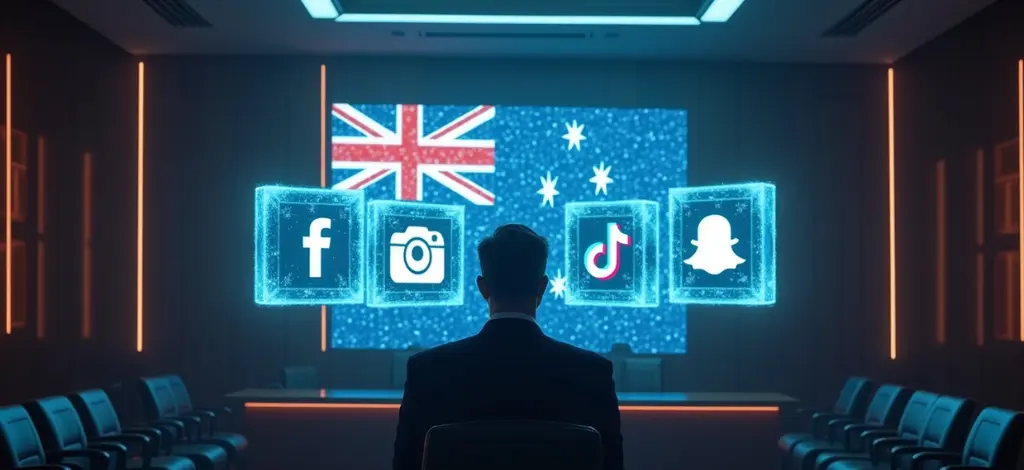
Australia has launched an investigation into major social media platforms for not fully following its under-16 ban. This law was introduced to protect children from harmful online content and addictive features. It is the first law of its kind in the world, making it a global case study. Governments everywhere are watching closely to see if it works.
Why the Law Was Introduced
The government wants to protect young users from mental health risks and unsafe content. Many studies link heavy social media use with anxiety and depression in teens. Parents have also raised concerns about online safety. This law shifts responsibility from families to tech companies.
Platforms Under Investigation
Five major platforms are being investigated: Facebook, Instagram, Snapchat, TikTok, and YouTube. These platforms are widely used by teenagers. Authorities believe they are not doing enough to stop underage users. That is why they are under strict review.
What the Ban Requires
The law requires platforms to prevent users under 16 from creating accounts. Companies must use proper age verification systems. Simple self-declared age is no longer acceptable. Stronger checks are now expected.
Heavy Penalties for Non-Compliance
Companies that fail to follow the law can face huge fines. The penalty can go up to 49.5 million Australian dollars. This shows how serious the government is. Legal action may also follow.
Millions of Accounts Removed
Since the law started, over 5 million underage accounts have been removed. Platforms have also blocked many new sign-ups. This shows some progress. But it is not enough yet.
Ongoing Compliance Issues
Despite removals, many children still access social media. They create new accounts or bypass checks easily. Reports show gaps in enforcement. This raises questions about system effectiveness.
Weak Age Verification Systems
Age verification technology is still not perfect. Tools like AI or face scans can make mistakes. Even official trials showed errors around the age limit. This creates challenges for enforcement.
Loopholes Being Exploited
Some platforms allow multiple attempts to verify age. Users can retry until they succeed. Others even encourage retries after failure. These loopholes make the system weak.
Government’s Strong Reaction
Australian officials have criticized tech companies strongly. They say companies are doing the bare minimum. The government believes platforms are not serious about compliance. This has increased pressure on them.
Possible Legal Action
Authorities are now collecting evidence against non-compliant platforms. Legal action may be taken soon. A final decision is expected by mid-2026. This could lead to major court cases.
Tech Companies’ Response
Meta and Snap say they are trying to comply with the law. They claim age verification is difficult for the whole industry. Snap reported locking hundreds of thousands of accounts. They say efforts are ongoing.
Silence from Some Platforms
TikTok has not commented on the issue. YouTube’s parent company also stayed silent initially. This lack of response raises concerns. It suggests uncertainty or hesitation.
Legal Challenges Begin
Some companies are fighting back legally. Reddit has filed a case in Australia’s High Court. A rights group has also challenged the law. They believe it violates freedoms.
Freedom of Communication Debate
Critics argue the law may limit free speech. Young people may lose access to important discussions online. This raises constitutional concerns. Courts will need to decide.
Expert Opinions on Compliance
Experts say the key issue is “reasonable steps.” Courts must decide what counts as enough effort. Technology is not perfect, so expectations must be realistic. This will shape future rulings.
Technology vs Responsibility
Tech companies argue that no system is 100% accurate. Regulators say companies must still do more. This creates a major debate. Who is responsible when systems fail?
Global Impact of the Law
Many countries are watching Australia closely. Some are already planning similar laws. This could lead to global changes. Social media rules may become stricter worldwide.
What Happens Next
The investigation is still ongoing. Decisions on penalties will come soon. This period is critical for tech companies. Their actions now will decide the outcome.
The Future of Social Media Safety
This case could reshape how social media works for children. Platforms may need better systems and stricter rules. It could also impact user privacy. The balance between safety and freedom will be key.
Conclusion
Australia’s move is bold and challenging at the same time. While progress has been made, many gaps still exist. The coming months will decide whether this law succeeds. One thing is clear—the world is paying attention.
FAQs
1. Why did Australia ban social media for under 16?
To protect children from harmful content and mental health risks.
2. Which companies are being investigated?
Facebook, Instagram, Snapchat, TikTok, and YouTube.
3. What is the maximum fine?
Up to 49.5 million Australian dollars.
4. Are kids still using social media?
Yes, many are bypassing the system.
5. Will other countries follow this law?
Yes, several countries are considering similar rules.
𝐒𝐭𝐫𝐮𝐠𝐠𝐥𝐢𝐧𝐠 𝐭𝐨 𝐬𝐭𝐚𝐲 𝐜𝐨𝐧𝐬𝐢𝐬𝐭𝐞𝐧𝐭 𝐨𝐧 𝐒𝐨𝐜𝐢𝐚𝐥 𝐌𝐞𝐝𝐢𝐚?
Read more blogs: Alitech Blog

Zeeshan Ali Shah is a professional blog writer at AliTech Solutions, and Realancer renowned for crafting engaging and informative content. He holds a degree from the University of Sindh, where he honed his expertise in technology. With a keen eye for detail and a passion for staying up-to-date on the latest tech trends, Zeeshan’s writing provides valuable insights to his readers. His expertise in the tech industry makes him a sought-after writer, and his work at AliTech Solutions has earned him a reputation as a trusted and knowledgeable voice in the field.


Leave a Reply