


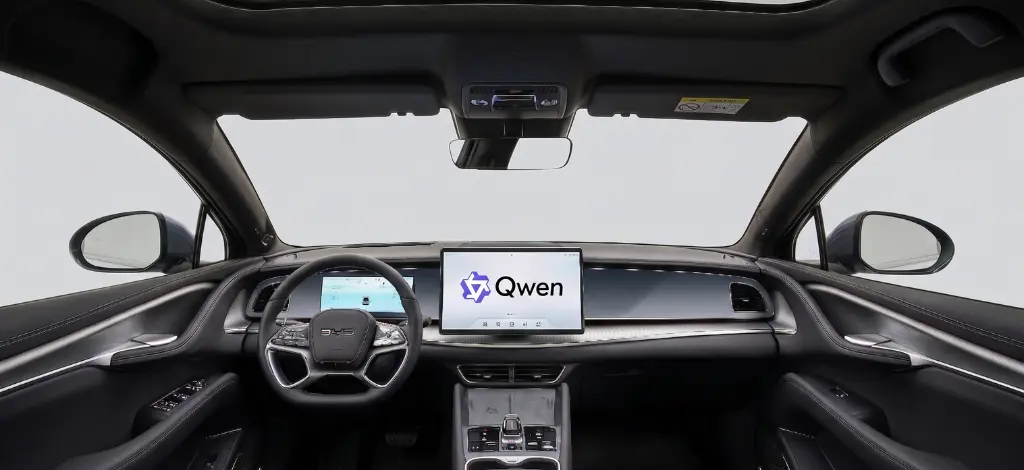
Introduction to Alibaba’s Qwen AI in Cars
The automotive industry is changing faster than ever, and one of the biggest reasons behind this shift is artificial intelligence. Recently, Alibaba Group announced that its Qwen AI model will be integrated into cars from major Chinese automakers. This move shows how vehicles are no longer just machines for transportation but are becoming smart digital companions. The goal is simple: make driving easier, more connected, and more productive. With this integration, drivers will be able to perform everyday tasks using just their voice, turning cars into intelligent assistants on wheels.
What Is Qwen AI and Why It Matters
Qwen AI is a powerful language model developed by Alibaba that can understand and respond to human speech in a natural way. Unlike traditional voice assistants that follow simple commands, Qwen can handle complex, multi‑step tasks. For example, instead of just asking for directions, you can ask it to find a restaurant, book a table, and navigate there, all in one conversation. This level of intelligence is what makes Qwen stand out. It brings a more human‑like interaction into the car, making technology feel less robotic and more intuitive.
Automakers Adopting Qwen AI
Several major car brands in China are already planning to integrate Qwen into their vehicles. These include BYD, Geely, and Volkswagen’s local joint venture, SAIC Volkswagen. Other companies like Li Auto, Changan, Dongfeng, BAIC, Great Wall Motor, and SAIC IM Motors are also part of this growing ecosystem. This wide adoption shows that the industry is serious about AI‑powered driving experiences. Instead of competing only on hardware like battery life or speed, automakers are now focusing on software and digital features to attract buyers.
How Voice AI Works Inside the Car
The voice AI system powered by Qwen is designed to work smoothly even while driving. It combines on‑device processing with cloud computing, which means some tasks can be handled directly inside the car while others use online servers. This hybrid approach ensures faster response times and better reliability, even when internet connectivity is weak. Drivers can speak naturally without worrying about using specific commands. The system understands context, remembers preferences, and responds in a conversational way, making the interaction feel effortless.
Everyday Tasks Made Simple with Voice Commands
One of the most exciting features of Qwen AI in cars is its ability to handle daily tasks. Drivers can order food, book hotels, buy tickets, and even track packages without touching their phone. Imagine being stuck in traffic and simply asking your car to order dinner so it arrives when you get home. That level of convenience is what Alibaba is aiming to deliver. By integrating services like payments and navigation, the car becomes a central hub for managing daily life.
Role of Nvidia Chips in AI Integration
To make all of this possible, the system runs on advanced automotive‑grade chips, including platforms such as Qualcomm’s Snapdragon 8397, which are optimized for AI‑based cockpit systems. Some automakers may also choose other AI‑optimized silicon, such as Nvidia‑series automotive chips, depending on their specific requirements. These chips are designed to handle complex AI computations efficiently inside the vehicle. They allow Qwen AI to process voice commands quickly and accurately without relying entirely on the cloud. This is especially important for safety and performance, as drivers need instant responses while on the road. The combination of powerful hardware and intelligent software creates a seamless user experience.
Why Automakers Are Focusing on Software
The electric vehicle market is becoming highly competitive, and growth has started to slow down. As a result, automakers are looking for new ways to stand out. Software and AI have become key differentiators. Instead of just selling a car, companies are now selling an experience. Features like voice assistants, smart navigation, and connected services can make a big difference in a buyer’s decision. This shift shows that the future of the automotive industry is not just about engines and batteries, but about intelligence and connectivity.
Comparison with Other AI Systems in Cars
Alibaba is not the only company entering this space. ByteDance has its own AI model, Doubao, which is starting to appear in select vehicle models, such as the Audi E7X electric SUV in partnership with iFlyTek. Meanwhile, Apple is working on expanding its CarPlay system to support third‑party AI assistants. This competition is pushing innovation forward and giving consumers more choices when it comes to smart car features.
Real‑World Impact on Driving Experience
For drivers, the biggest benefit of Qwen AI is convenience. It reduces the need to interact with screens or devices while driving, which can improve safety. At the same time, it makes the journey more productive and enjoyable. Whether it is managing tasks, getting recommendations, or staying connected, the AI assistant acts like a personal helper. This transformation turns the car into more than just a vehicle; it becomes a smart environment that adapts to your needs.
Challenges and Concerns with AI in Cars
Despite its advantages, there are also concerns about integrating AI into vehicles. Data privacy is one of the biggest issues, as these systems collect and process large amounts of user information. There is also the risk of driver distraction if the technology is not designed carefully. Automakers and tech companies will need to address these challenges to ensure that AI enhances safety rather than compromising it. Clear regulations and responsible design will play a crucial role in this process.
The Future of AI‑Powered Vehicles
The integration of Qwen AI into cars is just the beginning. As technology continues to evolve, we can expect even more advanced features in the future. Voice assistants may become smarter, cars may learn user behavior, and the entire driving experience could become fully personalized. There is also the possibility of expanding these features beyond China into global markets. If that happens, it could redefine how people interact with their vehicles worldwide.
Conclusion
Alibaba’s move to bring Qwen AI into cars marks a significant step in the evolution of the automotive industry. By combining voice technology, cloud computing, and a vast digital ecosystem, the company is turning vehicles into intelligent service platforms. This shift reflects a broader trend where software and AI are becoming just as important as hardware in defining a car’s value. As competition grows and technology advances, drivers can expect smarter, more connected, and more convenient experiences on the road.
FAQs
What is Qwen AI in cars?
Qwen AI is a voice‑based artificial intelligence system developed by Alibaba that allows drivers to perform tasks like booking hotels, ordering food, and navigating using natural speech.
Which car brands are using Qwen AI?
Brands like BYD, Geely, SAIC Volkswagen (Volkswagen’s local joint venture), Li Auto, Changan, Dongfeng, BAIC, Great Wall Motor, and SAIC IM Motors are among the companies integrating this technology into their vehicles.
Can Qwen AI work without internet?
Yes, the system uses a combination of on‑device processing and cloud computing, allowing it to function even with limited connectivity, though some cloud‑dependent services may require an active connection.
Is voice AI safe to use while driving?
When designed properly, voice AI can reduce distractions by allowing hands‑free control, but it must be carefully implemented to ensure safety and avoid cognitive overload.
Will Qwen AI be available outside China?
It is not yet confirmed whether these features will be available globally, but expansion to other markets is possible in the future.
Start your freelancing journey with Realancer — find clients, grow faster, and build your future. Join the waitlist now 👉 https://realancer.net
Read more blogs: Alitech Blog

Zeeshan Ali Shah is a professional blog writer at AliTech Solutions, and Realancer renowned for crafting engaging and informative content. He holds a degree from the University of Sindh, where he honed his expertise in technology. With a keen eye for detail and a passion for staying up-to-date on the latest tech trends, Zeeshan’s writing provides valuable insights to his readers. His expertise in the tech industry makes him a sought-after writer, and his work at AliTech Solutions has earned him a reputation as a trusted and knowledgeable voice in the field.



Leave a Reply