Introduction
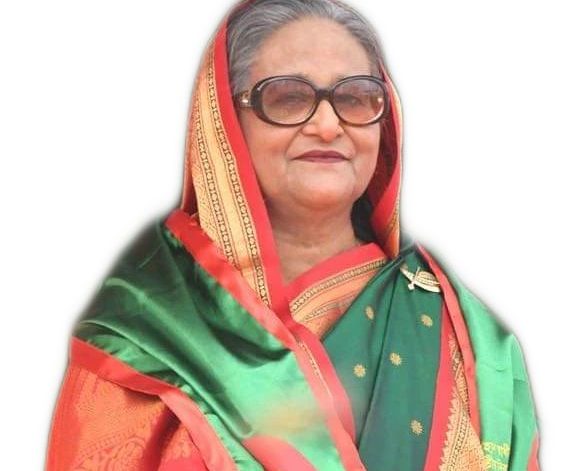
Bangladesh has recently been plunged into chaos as Prime Minister Sheikh Hasina resigned and fled the country amid deadly protests. This significant political upheaval follows weeks of violence that have resulted in nearly 300 deaths. The departure of Hasina, a longstanding political figure in Bangladesh, marks a critical turning point for the nation.
Background of Sheikh Hasina’s Leadership
Sheikh Hasina, who has been at the helm of Bangladesh’s government since 2009, is known for her significant contributions to the country’s development. Under her leadership, Bangladesh saw considerable economic growth, improvements in education and healthcare, and advancements in women’s rights. However, her tenure was not without controversy, facing allegations of authoritarianism and corruption.
The Trigger for Protests
The protests began as a movement led by students demanding the end of a quota system for government jobs, which they viewed as unfair. What started as peaceful demonstrations quickly escalated into violent clashes between protesters and the police, drawing in wider segments of the population dissatisfied with Hasina’s government.
Details of the Protests
Key events in the protests included the fatal clashes in the capital, Dhaka, where at least 95 people, including 14 police officers, lost their lives. Major incidents also saw protesters setting fire to a shopping center and storming government buildings. The violence peaked on August 4, 2024, leading to the deaths of nearly 100 people in a single day.
Government’s Response
In an attempt to quell the unrest, the government imposed a nationwide curfew and internet blackout. These measures, however, did little to pacify the enraged citizens. High-ranking officials, including the army, confirmed Hasina’s resignation as the situation continued to deteriorate.
Resignation and Fleeing of Sheikh Hasina
On August 5, 2024, reports emerged that Sheikh Hasina and her sister had boarded a military helicopter to India. This move came after protesters stormed her official residence, and the army gave her an ultimatum to resign. Hasina’s flight to India was seen as a means to seek safe shelter amid the escalating violence.
Impact on Bangladesh
The immediate aftermath of Hasina’s resignation saw a temporary easing of tensions, with the streets of Dhaka shifting from violent clashes to celebrations among protesters. However, the long-term implications for Bangladesh are significant. The country now faces political instability, with the potential for power struggles and further unrest.
International Reactions
Neighboring countries and global organizations have been closely monitoring the situation in Bangladesh. India’s government has expressed concern and offered assistance, while international bodies like the United Nations have called for peaceful resolutions and respect for democratic processes.
Role of the Military
The military played a crucial role in the unfolding events, from enforcing curfews to ultimately compelling Hasina to step down. Currently, the military is engaged in discussions with major political parties to stabilize the situation and guide the country through this crisis.
Media Coverage
The events in Bangladesh have garnered extensive media coverage, both locally and internationally. Traditional news outlets and social media platforms have played a pivotal role in disseminating information and shaping public opinion. Images and videos of the protests and clashes have circulated widely, drawing global attention to the crisis.
Public Sentiment
The resignation of Sheikh Hasina has been met with mixed reactions from the Bangladeshi public. While many protesters celebrate what they view as a victory, there are also concerns about the future stability of the country. Personal stories of those affected by the violence highlight the human cost of the political turmoil.
Future Prospects for Bangladesh
Looking ahead, Bangladesh faces numerous challenges. The country must navigate political transitions, address the demands of protesters, and work towards rebuilding trust in its institutions. Possible scenarios include interim governance by the military, new elections, or the rise of opposition parties.
Comparisons to Other Protests
The protests in Bangladesh share similarities with other global movements, such as the Arab Spring, where public dissatisfaction with authoritarian regimes led to widespread unrest. However, unique aspects of the Bangladesh situation, such as the specific trigger of the quota system and the rapid escalation of violence, set it apart.
Calls for Justice and Accountability
Protesters are demanding justice for those killed during the clashes and accountability for government actions. Human rights organizations have called for thorough investigations into the violence and for those responsible to be held accountable.
Conclusion
The resignation and fleeing of Sheikh Hasina mark a pivotal moment in Bangladesh’s history. As the country grapples with the immediate aftermath, the road ahead is fraught with challenges. Ensuring stability, addressing public grievances, and fostering democratic processes will be crucial for Bangladesh’s future.
FAQs
What caused the protests in Bangladesh?
The protests were initially sparked by student demands to end a quota system for government jobs, which quickly escalated into broader anti-government demonstrations.
How did Sheikh Hasina flee the country?
Sheikh Hasina and her sister fled to India on a military helicopter after protesters stormed her official residence and the army issued an ultimatum for her resignation.
What has been the international reaction?
International reactions have included concern and offers of assistance from neighboring countries, and calls for peaceful resolutions from global organizations like the United Nations.
What is the role of the military in Bangladesh now?
The military is currently involved in maintaining order and engaging in discussions with major political parties to stabilize the situation and guide the country through the crisis.
What are the future prospects for Bangladesh?
Bangladesh faces political instability, potential power struggles, and the need for rebuilding trust in its institutions. Possible scenarios include interim military governance, new elections, and the rise of opposition parties.
Source: Google News
Read more: Alitech Blog

Zeeshan Ali Shah is a professional blog writer at AliTech Solutions, and Realancer renowned for crafting engaging and informative content. He holds a degree from the University of Sindh, where he honed his expertise in technology. With a keen eye for detail and a passion for staying up-to-date on the latest tech trends, Zeeshan’s writing provides valuable insights to his readers. His expertise in the tech industry makes him a sought-after writer, and his work at AliTech Solutions has earned him a reputation as a trusted and knowledgeable voice in the field.