


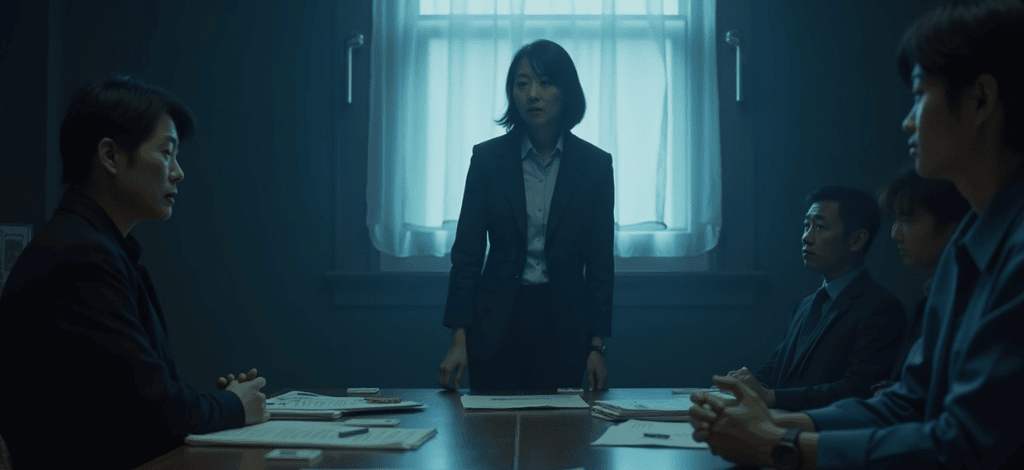
The 3 A.M. Controversy That Shook Japan
Japan woke up to a national debate after Prime Minister Sanae Takaichi held a surprise staff meeting at 3 a.m. The country, long haunted by the issue of overwork, reacted strongly to the news. What seemed like just another late-night session quickly turned into a discussion about leadership, health, and Japan’s relentless work culture.
Who is Sanae Takaichi? Japan’s First Female Prime Minister
Sanae Takaichi made history as Japan’s first female leader. Known for her discipline and dedication, she built a reputation as a tireless worker who believed in pushing limits. However, her strong work ethic has also raised concerns, especially after she publicly rejected the idea of work-life balance during her campaign.
The Incident: A 3 A.M. Meeting Before Parliament
The controversy started when Takaichi called her staff for a study session at 3 a.m., just hours before a major budget committee meeting in Parliament. CCTV footage showed her leaving her residence in Tokyo before dawn to prepare answers for lawmakers. The meeting reportedly lasted nearly three hours, involving several exhausted aides.
Public Reaction: From Shock to Outrage
News of the 3 a.m. meeting spread rapidly across Japan, with many expressing disbelief. Social media was filled with criticism, memes, and serious discussions about overwork. For many, it felt like a step backward in Japan’s efforts to combat excessive working hours and mental health crises caused by exhaustion.
Karoshi: The Shadow of Death from Overwork
Japan’s long struggle with “karoshi,” or death from overwork, adds a dark backdrop to this story. The phenomenon gained attention after high-profile cases like the 2016 suicide of Dentsu employee Matsuri Takahashi, who worked over 100 hours of overtime in a month. Her death led to laws limiting overtime to 45 hours per month, but cultural change has been slow.
Critics Speak Out: “This is Crazy”
Former Prime Minister Yoshihiko Noda didn’t hold back his words. He called Takaichi’s decision “crazy,” arguing that no leader should demand their staff to work in the middle of the night. “Everyone is asleep at that time,” he said. “It’s a sad attitude for a national leader.”
The Prime Minister’s Defense: A Fax Machine Malfunction
Takaichi later explained in Parliament that her fax machine jammed, delaying the review of key briefing materials. She said she had no choice but to summon her team early to rewrite parliamentary responses. While she admitted the timing caused “inconvenience,” she defended it as necessary under the circumstances.
Supporters Rally Behind Takaichi
Supporters from her Liberal Democratic Party defended her action, saying it showed her dedication. They blamed opposition lawmakers for submitting their questions too late, forcing the team to work overnight. Some business leaders even agreed, arguing that professions like doctors and police also work around the clock — and so must the prime minister.
Japan’s Deep-Rooted Overwork Culture
Japan’s obsession with dedication and discipline runs deep. Many workers believe staying late or skipping rest proves loyalty. But this mindset has had tragic consequences, with thousands suffering from stress-related illnesses and burnout every year. The 3 a.m. meeting reignited debate on whether “hard work” should still be the measure of success.
The Overtime Debate: 45-Hour Limit Under Review
The controversy comes at a sensitive time. Japan’s government is considering changes to its overtime laws. Currently, workers can’t exceed 45 hours of overtime per month — a rule made after years of protest from karoshi victims’ families. Takaichi supports increasing overtime for higher income but insists safety must come first.
Why This Incident Struck a Nerve Across Japan
For many citizens, the 3 a.m. meeting symbolized everything wrong with Japan’s work culture. It reminded people of the old corporate days when workers stayed in offices until dawn. To them, this was not leadership — it was a warning that the country might return to those dark times.
Families of Karoshi Victims Respond
Families who lost loved ones to overwork voiced deep concern. Many said that Takaichi’s example sends the wrong message to young workers — that success requires sacrificing sleep and health. “If the prime minister does this, what will companies expect from their employees?” one mother asked during a TV interview.
Comparing Work Ethics: Leadership vs. Human Limits
Dedication is admirable, but leadership also means setting healthy examples. Many experts say Takaichi’s work ethic crosses the line between commitment and compulsion. A good leader inspires discipline, not exhaustion. This incident has pushed citizens to rethink where that line should be drawn.
Experts Weigh In: “3 A.M. Is Too Early, No Matter What”
Shigeaki Koga, a former economic official, sympathized with Takaichi’s busy schedule but criticized her decision. He said even past prime ministers began their day no earlier than 7 or 8 a.m. “Three o’clock in the morning is too early, no matter what,” he said. “A leader must care for staff as much as for the nation.”
Takaichi’s Work Philosophy: “Work and Work and Work”
During her campaign, Takaichi openly declared that she would “work and work and work and work.” For her supporters, it showed strength and determination. But for critics, it exposed a worrying disregard for rest and balance. This philosophy is now at the center of Japan’s debate about modern leadership.
The Global Perspective: How Other Nations View This Debate
Internationally, reactions have been mixed. Some Western media outlets framed it as an example of Japan’s unhealthy dedication to work. Others admired her discipline, calling it a sign of strong leadership. The global discussion mirrors Japan’s internal struggle — how to balance drive with human limits.
Balancing Dedication and Wellbeing in Leadership
The controversy reveals a deeper issue: can leaders be tireless without being toxic? Takaichi’s actions have opened a necessary discussion about humane leadership. True strength may not lie in sleepless nights but in knowing when to rest — and allowing others to do the same.
Media Frenzy: CCTV Footage and Social Media Buzz
The 3 a.m. CCTV footage of Takaichi leaving her residence went viral online. Hashtags like #SleeplessPM and #KaroshiCulture trended across Japan’s social platforms. Some netizens joked about setting their alarms for “Takaichi time,” while others expressed concern for the aides caught in her intense schedule.
Lessons for Japan’s Future Work Culture
Japan’s economy depends on its hardworking citizens, but the 3 a.m. incident reminds everyone that no nation can thrive on exhaustion. The balance between productivity and wellbeing must evolve. Takaichi’s leadership may become the turning point that finally forces Japan to redefine what “hard work” truly means.
Conclusion: A Wake-Up Call for a Tired Nation
Prime Minister Sanae Takaichi’s 3 a.m. meeting has done more than stir controversy — it has sparked a nationwide reflection. Japan stands at a crossroads between tradition and transformation. Whether she meant to or not, Takaichi has become the face of a critical debate: how far should dedication go before it turns into destruction?
FAQs
1. Why did Japan’s Prime Minister hold a meeting at 3 a.m.?
She said her fax machine malfunctioned and she needed to review materials urgently before Parliament’s budget session.
2. What does “karoshi” mean?
“Karoshi” means “death from overwork,” a serious issue in Japan linked to heart attacks, strokes, and suicides due to long working hours.
3. How long did the 3 a.m. meeting last?
Reports say it lasted about three hours, ending just before dawn.
4. How did the public react to the meeting?
Many criticized it as promoting Japan’s overwork culture, while some defended her dedication as part of leadership duty.
5. What changes might happen after this controversy?
The debate could influence Japan’s ongoing discussion about overtime limits and workers’ mental health.
𝗛𝗶𝗿𝗲 𝘁𝗵𝗲 𝗥𝗶𝗴𝗵𝘁 𝗧𝗮𝗹𝗲𝗻𝘁, 𝗔𝗻𝘆𝘁𝗶𝗺𝗲, 𝗔𝗻𝘆𝘄𝗵𝗲𝗿𝗲 — 𝘄𝗶𝘁𝗵 Realancer. Join the waitlist now 👉 https://app.realancer.net/registration
Read more blogs: Alitech Blog

Zeeshan Ali Shah is a professional blog writer at AliTech Solutions, and Realancer renowned for crafting engaging and informative content. He holds a degree from the University of Sindh, where he honed his expertise in technology. With a keen eye for detail and a passion for staying up-to-date on the latest tech trends, Zeeshan’s writing provides valuable insights to his readers. His expertise in the tech industry makes him a sought-after writer, and his work at AliTech Solutions has earned him a reputation as a trusted and knowledgeable voice in the field.



Leave a Reply