


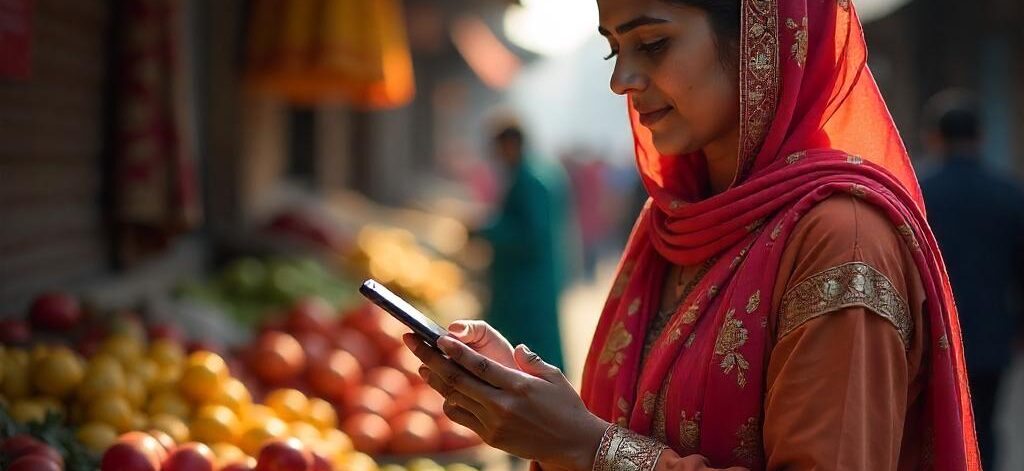
In recent years, Pakistan has experienced a remarkable transformation in its financial ecosystem, driven primarily by the rapid adoption of digital payment solutions. As the country continues to embrace technological innovation, digital payments have emerged as one of the most influential trends shaping Pakistan’s economy in 2025. This blog explores the rise of digital payments in Pakistan, its benefits, challenges, and the future outlook, providing an SEO-friendly and plagiarism-free overview of this transformative trend.
The Growing Popularity of Digital Payments in Pakistan
Pakistan’s digital payment landscape has seen exponential growth over the last few years. According to the State Bank of Pakistan, the number of digital payment transactions increased by over 300% between 2020 and 2023. This surge is attributed to several factors, including increased internet penetration, smartphone adoption, government initiatives, and the COVID-19 pandemic accelerating digital transformation.
With more Pakistanis gaining access to smartphones and affordable internet, digital wallets, mobile banking, and QR code payments have become increasingly mainstream. Leading banks and fintech companies like JazzCash, EasyPaisa, and UBL Omni have played a pivotal role in expanding digital payment infrastructure across urban and rural areas.
Key Drivers of Digital Payment Adoption in Pakistan
1. Government Initiatives and Regulatory Support
The Pakistani government and the State Bank of Pakistan have actively promoted digital financial services through policies and regulatory frameworks. Initiatives such as the National Financial Inclusion Strategy aim to bring unbanked populations into the formal financial system. The introduction of interoperable digital wallets and the National Payment System (NPS) has facilitated seamless transactions nationwide.
2. Rise of Fintech Companies
Fintech startups in Pakistan have revolutionized digital payments by offering user-friendly, accessible, and innovative financial services. These companies leverage cutting-edge technology to provide quick, secure, and low-cost transactions, appealing especially to young, tech-savvy consumers.
3. Mobile Phone Penetration
Pakistan has witnessed a significant increase in smartphone usage, with over 76% of the population expected to own a mobile device by 2025. This proliferation of smartphones has made mobile banking and digital wallets more accessible, especially in rural areas where traditional banking infrastructure is limited.
4. COVID-19 Pandemic Impact
The pandemic accelerated the shift towards cashless transactions as people avoided physical contact. Digital payments became a safe and convenient alternative for everyday transactions, encouraging long-term adoption among individuals and businesses alike.
Benefits of Digital Payments in Pakistan
1. Financial Inclusion
Digital payments have opened new avenues for financial inclusion, allowing unbanked and underbanked populations to access financial services without the need for physical bank branches. This inclusivity promotes economic growth and reduces poverty.
2. Convenience and Speed
Digital transactions are fast, convenient, and available 24/7. Whether paying utility bills, transferring money, or shopping online, users enjoy seamless experiences that save time and effort.
3. Enhanced Security
Modern digital payment systems incorporate encryption, multi-factor authentication, and fraud detection mechanisms, making transactions safer than carrying cash.
4. Economic Growth and Digital Economy
A thriving digital payments ecosystem stimulates economic activity, encourages entrepreneurship, and attracts foreign investment. It also supports digital commerce, which is expanding rapidly in Pakistan.
Challenges in the Digital Payment Ecosystem
Despite the promising growth, several challenges need addressing to ensure sustainable development of digital payments in Pakistan.
1. Digital Literacy and Awareness
Many segments of the population, especially in rural areas, lack digital literacy, hindering adoption. Awareness campaigns and educational initiatives are essential to bridge this gap.
2. Infrastructure and Connectivity
Limited internet connectivity and lack of reliable infrastructure in remote regions pose hurdles to widespread digital payment adoption.
3. Security Concerns
Cybersecurity threats and fraud risks remain significant concerns. Continuous investment in security measures and consumer awareness are vital.
4. Regulatory and Policy Frameworks
While progress has been made, there is a need for comprehensive regulations that balance innovation with consumer protection.
The Future of Digital Payments in Pakistan
The outlook for digital payments in Pakistan remains optimistic. Experts predict that by 2025, over 80% of financial transactions will be digital, driven by technological advancements and government support. Innovations like QR code-based payments, contactless cards, and blockchain technology are expected to further enhance the ecosystem.
The integration of artificial intelligence (AI) and machine learning will improve fraud detection and personalize user experiences. Additionally, the rise of digital currencies and central bank digital currencies (CBDCs) could revolutionize transaction methods and monetary policy in Pakistan.
The rise of digital payments in Pakistan is undoubtedly one of the most transformative trends in Pakistan’s financial landscape in 2025. It fosters financial inclusion, offers convenience, and fuels economic growth. However, to realize its full potential, stakeholders must address challenges related to infrastructure, security, and digital literacy.
As Pakistan continues to embrace digital innovation, the future of digital payments looks promising, paving the way for a more inclusive and dynamic economy. Businesses, consumers, and policymakers must work collaboratively to harness this trend’s full benefits and ensure a secure, accessible, and thriving digital financial ecosystem.
FAQs for Digital Payments in Pakistan
- What are digital payments?
Digital payments refer to transactions made electronically through various platforms such as mobile apps, online banking, digital wallets, and other electronic methods, eliminating the need for cash. - How popular are digital payments in Pakistan?
Digital payments are rapidly gaining popularity in Pakistan, driven by increasing smartphone penetration, improved internet connectivity, and government initiatives promoting a cashless economy. - What are the main benefits of using digital payments in Pakistan?
Digital payments offer convenience, faster transactions, enhanced security, reduced cash handling, and increased financial inclusion for unbanked populations. - Are digital payments secure in Pakistan?
Yes, major digital payment platforms implement robust security measures such as encryption, two-factor authentication, and fraud detection to ensure user safety. - What are some popular digital payment methods in Pakistan?
Popular methods include mobile wallets like JazzCash and Easypaisa, bank-based online transfers, QR-code payments, and international platforms like PayPal. - What challenges do digital payments face in Pakistan?
Challenges include limited internet access in rural areas, lack of digital literacy, security concerns, and regulatory issues. - How is the government supporting digital payments in Pakistan?
The government has launched initiatives like the National Payment Systems Strategy, working towards a cashless society, and partnering with fintech companies to promote digital transactions. - What is the future outlook for digital payments in Pakistan?
The future looks promising with ongoing technological advancements, increasing smartphone usage, and supportive policies, expected to significantly expand digital payment adoption. - Can small businesses benefit from digital payments?
Absolutely. Digital payments enable small businesses to reach more customers, improve cash flow management, and provide secure payment options. - How can I get started with digital payments in Pakistan?
You can start by downloading popular mobile wallets or banking apps, registering your account, and linking it with your bank account or phone number for easy transactions.
Read more blogs: Alitech.io
Realancer is a flexible freelancing platform built of real life. Whether you want to work part-time , weekend , or just when you are free , Realancer lets you offer locally or remotely – on your own terms. Fair flexible and built for freelancers and clients alike.
Join the waiting list now: https://app.realancer.net/




Leave a Reply