


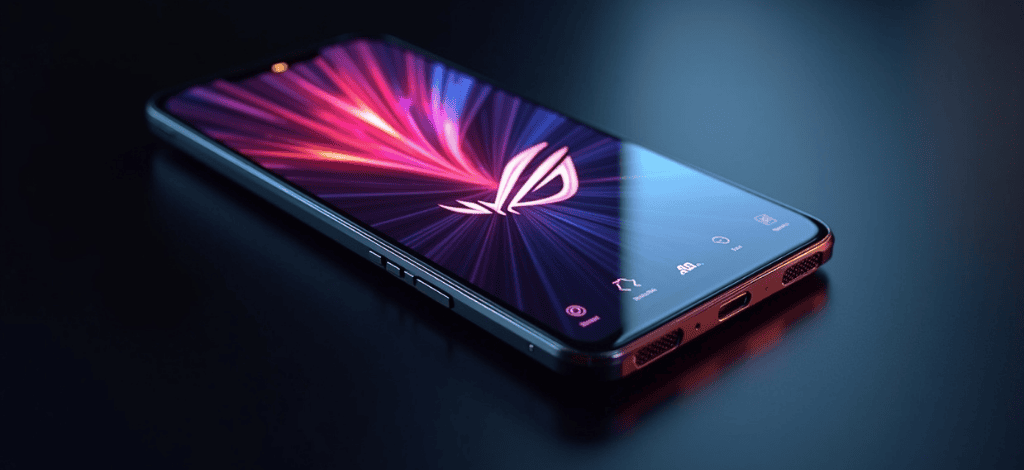
The announcement that shocked Android users
ASUS has officially confirmed that it will not launch any new smartphones in 2026, a move that strongly suggests the company is stepping away from the Android smartphone market altogether. This news came directly from ASUS Chairman Jonney Shih during an event in Taiwan on January 16, and it sent waves through the tech community. For a brand that once stood out for innovation and bold design choices, this feels like the end of an era.
What exactly ASUS confirmed
According to machine-translated statements shared by multiple tech outlets, Jonney Shih stated that ASUS will no longer add new mobile phone models in the future. While he did not explicitly say the company is permanently exiting smartphones, the wording leaves little room for optimism. When a chairman speaks this clearly, it usually signals a long-term strategic decision rather than a short break.
No new ASUS phones in 2026 and beyond
Earlier reports suggested ASUS would skip smartphone launches only in 2026, but the latest confirmation hints that the pause could extend much longer. In simple words, there are no new Zenfone or ROG Phone models planned. Whether this is a quiet exit or a long-term freeze, the result is the same for consumers: no new ASUS phones on the horizon.
Support for existing ASUS smartphone users
If you already own an ASUS smartphone, there is some good news. The company has promised continued software updates and full warranty support for existing devices. This means ASUS is not abandoning its current customers overnight. Updates, security patches, and service commitments will remain in place, at least for the foreseeable future.
The rise and fall of the Zenfone series
ASUS entered the smartphone market with the Zenfone lineup, which quickly gained attention for offering flagship-level features at competitive prices. Compact designs, clean software, and solid performance helped Zenfone build a loyal fanbase. However, as competition intensified, Zenfone releases became fewer and less aggressive, slowly losing their edge.
ROG Phones and the gaming niche
The ROG Phone series was ASUS’s boldest move in smartphones. These devices were built specifically for gamers, offering shoulder triggers, advanced cooling, massive batteries, and loud speakers. For mobile gaming enthusiasts, ROG Phones became iconic. Sadly, even this strong niche was not enough to sustain long-term growth in a brutal market.
Out-of-stock devices and shrinking availability
A quick look at the ASUS website tells the story clearly. In the US, ROG Phone 8 and ROG Phone 9 models are listed but mostly out of stock. Zenfone models are missing entirely, especially since the Zenfone 12 Ultra was never launched in the region. Limited availability is often the first visible sign of a company pulling back.
Why ASUS struggled in the smartphone market
The smartphone industry has become extremely competitive. Brands like Samsung, Apple, and aggressive Chinese manufacturers release multiple models each year with strong marketing and pricing. ASUS, on the other hand, launched fewer devices, often priced higher than rivals with similar or better features. Over time, this hurt sales and market relevance.
Pricing and feature challenges
In recent years, ASUS smartphones struggled to justify their price tags. While build quality and performance were good, competitors offered better cameras, longer software support, or stronger ecosystems at similar prices. In a market where consumers compare every detail, this made ASUS a harder sell.
Declining sales and reduced focus
As sales declined, ASUS gradually reduced its smartphone efforts. Fewer launches, limited regional availability, and weaker promotion all pointed to an internal shift. By 2025, the company released only two phones, neither of which became mainstream hits. The writing was already on the wall.
The role of AI in ASUS’s decision
One major reason behind this exit is artificial intelligence. ASUS is shifting resources toward what it calls “Physical AI,” including robotics, smart glasses, and AI-powered hardware. This is not just a trend move; it is a calculated business decision based on higher growth and better profit margins.
AI servers are driving new revenue
ASUS’s AI server division reportedly doubled its revenue in 2025 and now contributes around 20 percent of the company’s total earnings. Compared to smartphones, which have thin margins and high competition, AI hardware offers a much healthier business opportunity. From a business perspective, the shift makes sense.
Memory shortages and rising costs
Another hidden factor is rising component costs. Memory chip shortages and supply chain pressures have increased smartphone production costs. This squeezes profit margins even further. AI infrastructure, on the other hand, allows for premium pricing and long-term enterprise contracts.
Impact on the mobile gaming market
The exit of ASUS leaves a noticeable gap in the gaming phone segment. The ROG Phone was one of the few devices built purely for gamers. With ASUS gone, this niche becomes smaller and less innovative. Competitors like RedMagic may benefit, but overall consumer choice will suffer.
Competitors reacting to ASUS exit rumors
Interestingly, rival gaming phone brand RedMagic publicly celebrated rumors of ASUS’s exit earlier this year. This reaction highlights how competitive and unforgiving the smartphone industry has become. One brand’s exit is another brand’s opportunity.
Strengthening Samsung’s dominance
ASUS leaving smartphones indirectly helps Samsung. As the world’s largest Android smartphone brand, Samsung now faces one less competitor. Reduced competition can lead to slower innovation and less aggressive pricing, which ultimately affects consumers.
Regional impact in the US and India
In India, ASUS had already scaled back its smartphone presence years ago. The last Zenfone launched there was the 8Z in 2022. In the US, newer Zenfone models never arrived, and ROG Phones quietly disappeared from shelves. The exit feels official rather than sudden.
Other ASUS products are still going strong
Despite leaving smartphones, ASUS is far from disappearing. The company continues to innovate in laptops, gaming hardware, motherboards, AI servers, and even smart glasses. Recent CES announcements focused heavily on dual-screen laptops and AI-powered devices, showing where the future lies.
Is this a permanent goodbye or a long pause
Jonney Shih hinted that ASUS may monitor the smartphone market and possibly return one day. However, given the scale of its AI investments, a comeback seems unlikely anytime soon. For now, this looks more like a permanent strategic exit than a temporary break.
What this means for consumers
For consumers, fewer smartphone brands mean fewer choices. It also reduces pressure on big players to innovate quickly or price aggressively. ASUS phones were never mass-market leaders, but they offered something different, and that diversity will be missed.
Lessons from ASUS’s smartphone journey
ASUS’s exit is a reminder of how tough the smartphone market really is. Even a respected global tech brand with engineering expertise can struggle without scale, pricing power, and constant innovation. Smartphones are no longer just hardware; they are ecosystems.
The end of an era for ASUS fans
For long-time ASUS fans, this announcement feels emotional. Zenfone and ROG Phones were not perfect, but they had personality. In a market full of lookalike devices, ASUS dared to be different, and that courage deserves respect.
Conclusion
The end of ASUS smartphones marks a significant shift in the tech industry. While the company has not used the word “exit” officially, all signs point toward a long-term departure from Android phones. By focusing on AI, robotics, and advanced computing, ASUS is choosing growth and sustainability over nostalgia. Existing users will continue to receive support, but for smartphone fans, this truly feels like the closing chapter of a bold and innovative journey.
FAQs
Is ASUS officially shutting down its smartphone business
ASUS has confirmed it will not launch new smartphones, strongly indicating an exit, though it has not used the word officially.
Will existing ASUS phones still receive updates
Yes, ASUS has promised continued software updates and warranty support for current smartphone users.
Why is ASUS focusing on AI instead of smartphones
AI hardware offers higher growth and better profit margins compared to the highly competitive smartphone market.
Are Zenfone and ROG Phone discontinued
No new models are planned, and production appears to be ending, which effectively means discontinuation.
Can ASUS return to smartphones in the future
While not impossible, a return seems unlikely in the near future due to the company’s deep focus on AI and robotics.
Tired of paying just to send a proposal?
Realancer is ending pay-to-play freelancing. Apply for projects 100% FREE. 🚀
👉 Join the waitlist now: https://realancer.net
Read more blogs: Alitech Blog

Zeeshan Ali Shah is a professional blog writer at AliTech Solutions, and Realancer renowned for crafting engaging and informative content. He holds a degree from the University of Sindh, where he honed his expertise in technology. With a keen eye for detail and a passion for staying up-to-date on the latest tech trends, Zeeshan’s writing provides valuable insights to his readers. His expertise in the tech industry makes him a sought-after writer, and his work at AliTech Solutions has earned him a reputation as a trusted and knowledgeable voice in the field.



Leave a Reply