


Why Buyers Still Prefer It
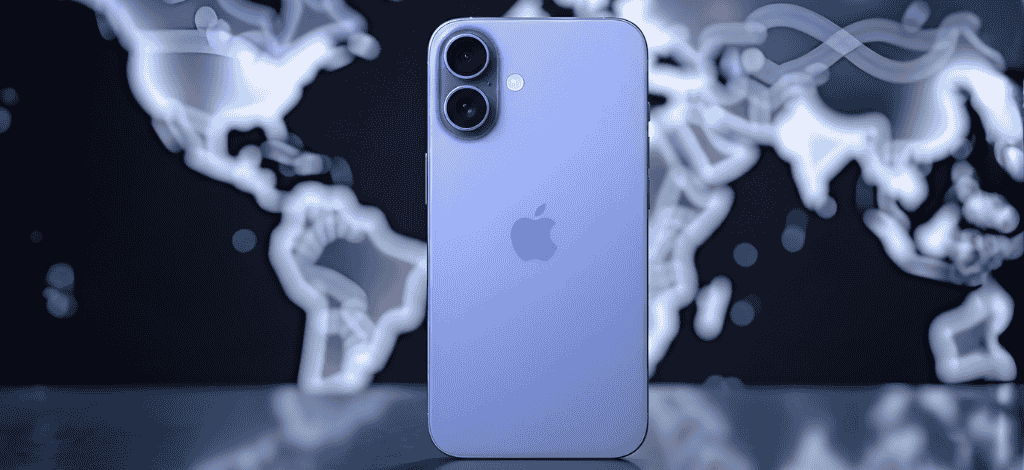
The smartphone world loves new launches, flashy upgrades, and bold promises. Yet in 2025, something unexpected happened. Apple’s iPhone 16, a phone launched back in 2024, ended the year as the world’s best-selling smartphone. It beat newer iPhones, premium Android flagships, and heavily marketed upgrades. According to Counterpoint Research, the iPhone 16 topped global sales charts and proved that “newer” is not always better.
At a time when brands push customers to upgrade every year, the iPhone 16 quietly did the opposite. It stayed relevant, practical, and desirable. And that combination turned it into a global sales champion.
A recovering smartphone market helped, but value sealed the deal
The global smartphone market finally bounced back in 2025, crossing 1.25 billion shipments for the first time since 2021. After years of cautious spending, buyers returned—but with a new mindset. People were no longer chasing specs for the sake of it. They wanted phones that made sense for daily life and long-term use.
Apple and Samsung dominated once again, together accounting for nearly 19 percent of all smartphones sold worldwide. Apple alone claimed seven out of the top ten spots. At the very top sat the iPhone 16, ahead of even the iPhone 16 Pro models and the newer iPhone 17 lineup.
From tenth place to number one
What makes this win even more impressive is where the iPhone 16 started. In 2024, it ranked tenth among best-selling phones. One year later, it jumped straight to number one. That rise did not happen because Apple changed the phone overnight. It happened because buyer priorities changed.
Instead of paying extra for features they rarely use, people chose reliability, smooth performance, and peace of mind. The iPhone 16 fit that thinking perfectly.
The complete top 10 best-selling smartphones of 2025
According to Counterpoint Research, these were the best-selling smartphones worldwide in 2025:
- iPhone 16
- iPhone 16 Pro Max
- iPhone 16 Pro
- iPhone 17 Pro Max
- Samsung Galaxy A16 5G
- Samsung Galaxy A06 4G
- iPhone 17
- iPhone 15
- Samsung Galaxy S25 Ultra
- iPhone 16e
This list shows two clear trends. Apple dominates the premium and upper-midrange space, while Samsung holds its ground with budget and mass-market devices.
Pricing that feels fair, not forced
One of the biggest reasons behind the iPhone 16’s success is its pricing. Apple continued selling it in 2025 instead of pushing buyers only toward the iPhone 17 series. In India, it started at Rs 69,900, placing it in a sweet spot—premium, but not unreachable.
Add festive discounts, exchange offers, and carrier deals, and the price became even more attractive. For many buyers, the iPhone 16 felt like a smarter purchase than spending much more on Pro models or flagship Android phones.
Performance that still feels fast in real life
Powered by Apple’s A18 chip, the iPhone 16 never felt outdated in everyday use. Apps open instantly, games run smoothly, cameras deliver consistent results, and multitasking feels effortless. For most users, there is little noticeable difference between the iPhone 16 and newer models in daily life.
This is where Apple benefits from optimization rather than raw numbers. The phone may not win every spec comparison, but it wins where it matters—real-world experience.
Long-term software support builds trust
Another major reason buyers stick with the iPhone 16 is Apple’s long software support. People know this phone will receive iOS updates and security patches for years. That confidence matters, especially in markets where users keep their phones longer.
Instead of upgrading every year, buyers now look for devices that can last four or five years without feeling outdated. The iPhone 16 fits perfectly into that mindset.
The Apple ecosystem keeps pulling people back
For many users, choosing the iPhone 16 was not just about the phone itself. It was about staying connected to the Apple ecosystem. iMessage, FaceTime, iCloud, AirPods, Apple Watch, and MacBooks all work better together.
Upgrading from an older iPhone to the iPhone 16 feels familiar and comfortable. There is no learning curve, no app migration stress, and no ecosystem break. That comfort plays a huge role in buying decisions.
Even the iPhone 17 could not steal the spotlight
Apple launched the iPhone 17 series in September 2025, and it performed well. In fact, early sales were 16 percent higher than the iPhone 16 series during its first full quarter. Features like a 120Hz display and increased base storage attracted attention.
Still, the iPhone 16 continued to outsell newer models over the year. Many buyers simply did not see enough everyday benefit to justify spending more. The result was clear—value won over novelty.
Budget iPhones and Samsung’s role in the rankings
Apple’s success was also supported by the iPhone 16e, launched in early 2025 at a lower price point. It brought new users into the Apple ecosystem and boosted overall sales volume.
On the Android side, Samsung remained strong. The Galaxy A16 5G became the best-selling Android phone of the year, proving that affordable phones still matter. The Galaxy S25 Ultra also returned to the top ten, driven by strong demand in markets like Japan.
Why the iPhone 16 formula worked so well
The iPhone 16 did not win because it introduced a revolutionary feature. It won because it focused on the basics—smooth performance, dependable cameras, long-term updates, and a price that feels reasonable.
In a market filled with bold claims and yearly upgrades, the iPhone 16 showed that consistency still wins. Sometimes, doing fewer things well is more powerful than doing many things loudly.
Looking ahead to 2026
The success of the iPhone 16 sends a clear message to the industry. Buyers are becoming smarter. They value longevity, trust, and overall experience more than short-term excitement.
If Apple continues this approach, and if Android brands learn from it, future smartphones may focus less on hype and more on real value. And that shift could reshape the market in the years ahead.
FAQs
Why was the iPhone 16 the best-selling smartphone of 2025?
Because it offered the best balance of price, performance, software support, and ecosystem value.
Is the iPhone 16 still a good buy in 2026?
Yes, it will continue receiving updates and delivers reliable everyday performance.
Which Android phone sold the most in 2025?
The Samsung Galaxy A16 5G was the best-selling Android phone worldwide.
Did the iPhone 17 perform poorly?
No, it sold well, but many buyers preferred the better value offered by the iPhone 16.
What does this trend mean for future smartphones?
It shows that buyers care more about long-term value than yearly upgrades.
Looking to work independently and grow your career?
Start freelancing on Realancer — Join the waitlist now
Read more blogs: Alitech Blog

Zeeshan Ali Shah is a professional blog writer at AliTech Solutions, and Realancer renowned for crafting engaging and informative content. He holds a degree from the University of Sindh, where he honed his expertise in technology. With a keen eye for detail and a passion for staying up-to-date on the latest tech trends, Zeeshan’s writing provides valuable insights to his readers. His expertise in the tech industry makes him a sought-after writer, and his work at AliTech Solutions has earned him a reputation as a trusted and knowledgeable voice in the field.


Leave a Reply