


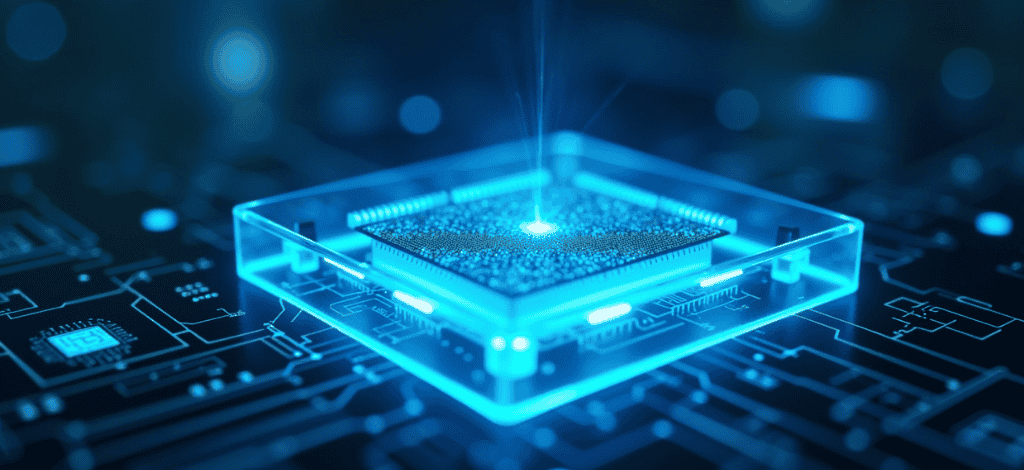
The Problem with Today’s Data Storage
Let’s be honest—our current storage systems are fragile. Hard drives fail, SSDs wear out, and cloud storage depends on constant maintenance. In a world producing massive data every second, this isn’t sustainable for the long term.
Why We Need a Better Solution
Think about preserving data for hundreds or even thousands of years. Our current technology simply can’t handle that. That’s where Microsoft steps in with a breakthrough that could redefine everything.
What is Project Silica?
Project Silica is an advanced storage technology that writes data into glass using lasers. Instead of relying on magnetic or electronic signals, it physically encodes information into a solid material.
How This Technology Actually Works
The system uses ultra-fast femtosecond lasers to create tiny structures inside glass. These microscopic engravings represent data, forming a permanent record that doesn’t degrade over time.
Understanding Optical Storage Evolution
We’ve seen optical storage before in CDs and DVDs, but this is next-level. Instead of storing data on the surface, this technology stores it inside the material in multiple dimensions.
What Are Phase Voxels?
Phase voxels are like 3D pixels that store data using light phase changes. This allows more information to be packed into a smaller space with greater efficiency.
How Much Data Can Glass Store?
A single glass chip can hold around 4.8 terabytes of data. That’s equivalent to millions of books or thousands of high-definition movies packed into a tiny piece of glass.
Why 10,000-Year Storage is a Big Deal
Most storage devices last about 10 years. This technology stretches that to 10,000 years. It’s not just an upgrade—it’s a completely new way of thinking about data preservation.
The “Digital Dark Age” Risk
There’s a real risk that future generations may lose access to today’s data because storage formats degrade. Glass storage could prevent this digital blackout.
What Material is Used?
The technology uses borosilicate glass—the same type found in everyday kitchenware. It’s strong, heat-resistant, and widely available, making it practical for scaling.
Durability Like Never Before
This glass can survive extreme heat, water exposure, and electromagnetic interference. Once data is written, it remains untouched and intact for centuries.
Security Advantages of Glass Storage
One of the biggest benefits is security. Data written into glass cannot be altered or hacked, making it perfect for sensitive and archival information.
Current Limitations of the Technology
Right now, writing data onto glass is slower than traditional drives. However, since this is meant for long-term storage, speed isn’t the main priority.
Real-World Use Cases Already Emerging
This technology has already been tested by storing large datasets like maps from Microsoft Flight Simulator, proving its real-world potential.
How It Compares to DNA Storage
DNA storage can hold more data but is complex and expensive. Glass storage offers a more practical and scalable alternative.
How It Compares to Magnetic Tape
Magnetic tape is still used for archives, but it degrades over time. Glass storage eliminates this issue completely.
The Role of AI in This Innovation
Artificial intelligence helps optimize how data is written and read. It also predicts how data will age, ensuring long-term reliability.
Future of Data Centers
Imagine robotic libraries filled with glass chips instead of hard drives. These systems could store massive amounts of data with minimal energy consumption.
Sustainability and Energy Efficiency
Unlike traditional storage systems that require constant power, glass storage needs almost no energy once the data is written.
Impact on Businesses and Freelancers
Companies can store critical data permanently, while freelancers can maintain lifelong records of their work without worrying about loss or corruption.
A Shift Beyond Cloud Storage
Cloud storage may still exist, but its backend could shift to glass-based systems for ultra-secure and permanent archives.
What This Means for the Future
We are moving from temporary storage solutions to permanent digital preservation. This could change how humanity records and remembers its history.
Conclusion
Glass data storage isn’t just another tech innovation—it’s a revolution. With the ability to store data for 10,000 years, we are entering a new era where information can truly last forever. From protecting cultural heritage to securing critical data, this technology could reshape the future in ways we’re only beginning to imagine.
FAQs
What is Project Silica?
It’s a glass-based storage system developed by Microsoft that can preserve data for up to 10,000 years.
How much data can it store?
Currently, about 4.8 terabytes on a single piece of glass.
Is it faster than SSDs?
No, it’s slower for writing but designed for long-term storage, not daily use.
Can the data be changed once written?
No, the data is permanent and cannot be altered.
When will it be available?
It’s still under development, but progress suggests it could become commercially available in the future.
Tags: Microsoft glass storage,Microsoft Project Silica, Microsoft glass data storage, 10000 year data storage, borosilicate glass storage, future of data storage, optical data storage technology, phase voxel technology, long term data archival, digital preservation technology, Microsoft data center innovation, Microsoft AI data storage, sustainable data storage, Microsoft innovation 2026, next generation storage solutions
Start your freelancing journey with Realancer — a next-gen global platform built for serious professionals. Join the waitlist now 👉 https://realancer.net/registration
Read more blogs: Alitech Blog

Zeeshan Ali Shah is a professional blog writer at AliTech Solutions, and Realancer renowned for crafting engaging and informative content. He holds a degree from the University of Sindh, where he honed his expertise in technology. With a keen eye for detail and a passion for staying up-to-date on the latest tech trends, Zeeshan’s writing provides valuable insights to his readers. His expertise in the tech industry makes him a sought-after writer, and his work at AliTech Solutions has earned him a reputation as a trusted and knowledgeable voice in the field.


Leave a Reply