


Introduction to Microsoft’s RAM Controversy
When Microsoft recently suggested that gamers should consider upgrading to 32GB of RAM for a “no worries” experience on Windows 11, it didn’t take long for the internet to react. The recommendation appeared briefly in Microsoft’s Learning Center and was removed almost as quickly as it was published. This sudden shift sparked a heated debate across the gaming community. People began questioning whether 32GB is truly necessary or just another push toward higher hardware spending. The controversy highlights a deeper issue—how tech companies balance performance advice with real-world affordability, especially at a time when hardware prices are rising rapidly.
Why RAM Is Important for Gaming Performance
RAM plays a critical role in gaming because it acts as the system’s short-term memory, storing data that your computer needs instantly. When you launch a game, textures, assets, and processes are loaded into RAM to ensure smooth gameplay. If your system doesn’t have enough memory, it starts using slower storage like SSDs, which can lead to lag or stuttering. Modern games are far more demanding than they used to be, with large open worlds and realistic graphics consuming more resources. Add multitasking into the mix—like running Discord or a browser—and the pressure on RAM increases even more. This is why discussions about 16GB versus 32GB have become so relevant in recent years.
What Microsoft Actually Recommended
Microsoft’s now-deleted guidance stated that 16GB of RAM should be considered a “practical starting point” for most gamers, while 32GB was described as the “no worries” upgrade. The idea was simple: more memory means fewer slowdowns, especially when running multiple applications alongside games. The company emphasized that modern gaming setups often include background apps such as streaming tools and chat platforms. These additional processes consume significant memory, which can impact performance if your system is limited to 16GB. By recommending 32GB, Microsoft positioned it as a future-proof option that ensures smoother gameplay and better multitasking capabilities.
Why the Recommendation Sparked Backlash
The backlash wasn’t just about the recommendation itself—it was about timing. RAM prices have been rising due to increased demand from AI data centers, making upgrades more expensive than usual. Many gamers felt that suggesting a costly upgrade during such a period was out of touch with reality. Online discussions quickly filled with criticism, with users pointing out that most games still run perfectly fine on 16GB. Others argued that companies should focus on optimizing software rather than encouraging users to spend more on hardware. This reaction forced Microsoft to quietly remove the article, showing how sensitive the gaming community can be to perceived pressure on spending.
The Role of AI in Rising Hardware Costs
One of the key reasons behind increasing RAM prices is the growing demand for AI technologies. Large-scale AI systems require massive amounts of memory, which affects global supply chains. As companies invest heavily in AI infrastructure, fewer resources are available for consumer products like gaming RAM. This has led to noticeable price increases, especially for newer DDR5 memory kits. Analysts have even noted that PC component prices are rising for the first time in decades. This context makes Microsoft’s 32GB recommendation even more controversial, as it coincides with a period when upgrading hardware is becoming less affordable for average users.
Microsoft’s Technical Justification Explained
From a technical standpoint, Microsoft’s reasoning isn’t entirely wrong. More RAM allows your system to handle multiple tasks simultaneously without slowing down. For example, if you’re playing a game while streaming or recording gameplay, your system needs extra memory to manage everything efficiently. With 32GB, there’s more headroom, meaning your PC is less likely to rely on slower storage solutions like page files. This results in smoother performance and fewer interruptions. However, while this explanation makes sense for heavy users, it doesn’t necessarily apply to everyone, especially those who primarily focus on gaming alone.
Understanding Page Files and System Behavior
When your system runs out of RAM, it uses a feature called a page file, which temporarily stores data on your storage drive. While SSDs are relatively fast, they are still much slower than RAM, leading to performance drops. This is why having more RAM can improve overall system responsiveness. Microsoft highlighted this point to justify the move toward 32GB, arguing that it reduces reliance on page files. However, for many users, this scenario doesn’t occur frequently enough to justify the upgrade. Most games are optimized to run within 16GB, meaning the benefits of 32GB are often situational rather than essential.
The Evolution of RAM Standards in Gaming
Gaming hardware standards have evolved significantly over the years. Not long ago, 8GB of RAM was considered more than enough for most games. As technology advanced, 16GB became the new standard, offering better performance and multitasking capabilities. Now, the industry is gradually shifting toward 32GB, but the transition is still in progress. Enthusiasts and professionals are adopting higher memory capacities faster than casual gamers. This gradual change reflects the increasing complexity of modern software, but it also shows that widespread adoption takes time. Microsoft’s recommendation may align with future trends, but it doesn’t fully match current realities.
Current Trends in Gamer Hardware Usage
Recent data from gaming surveys shows that 16GB remains the most common configuration among players. While 32GB is gaining popularity, it hasn’t overtaken 16GB yet. This indicates that most gamers still find 16GB sufficient for their needs. The shift toward higher RAM is happening slowly, influenced by both performance demands and affordability. Many users prefer to invest in GPUs or CPUs instead of upgrading RAM beyond 16GB. This trend highlights the importance of balancing performance improvements with cost considerations, something that Microsoft’s recommendation seemed to overlook.
Who Actually Needs 32GB RAM
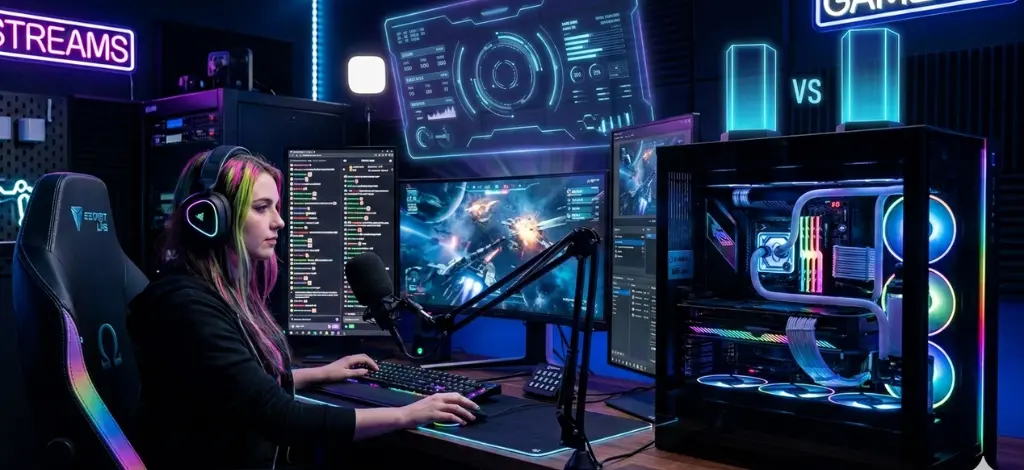
Not all gamers require 32GB of RAM. Casual players who enjoy mainstream games can comfortably run their systems with 16GB. Competitive gamers, who prioritize high frame rates, often rely more on powerful CPUs and GPUs than additional RAM. However, content creators and streamers benefit significantly from higher memory capacity. Running games alongside recording software, editing tools, and multiple applications can quickly consume RAM. For these users, 32GB provides a noticeable improvement in performance and workflow efficiency. The key is understanding your specific needs rather than following generalized recommendations.
When 16GB RAM Is Still Enough
For the majority of gamers, 16GB continues to offer excellent performance. Modern games are designed to run efficiently within this limit, and most users don’t push their systems beyond it. By managing background applications and optimizing system settings, you can achieve smooth gameplay without upgrading. This makes 16GB a cost-effective choice for those who want reliable performance without overspending. While 32GB offers additional headroom, it’s not a necessity for everyday gaming. This is why many users criticized Microsoft’s suggestion, as it seemed to downplay the capabilities of existing setups.
Comparing Cost and Performance Value
The decision to upgrade RAM often comes down to cost versus performance. While 32GB provides better multitasking capabilities, the price difference can be significant, especially with DDR5 memory. For many users, the performance gains don’t justify the extra expense. Investing in a better GPU or SSD often delivers more noticeable improvements in gaming performance. This makes RAM upgrades a lower priority for budget-conscious gamers. Understanding where to allocate your budget is crucial when building or upgrading a gaming PC, and not every upgrade offers the same level of impact.
DDR4 vs DDR5: What Gamers Should Know
DDR5 memory offers higher speeds and improved efficiency compared to DDR4, but it also comes with a higher price tag. Upgrading to DDR5 often requires a new motherboard and CPU, making it a more expensive transition. Many gamers are sticking with DDR4 systems because they provide excellent performance at a lower cost. While DDR5 represents the future of memory technology, it’s not yet essential for most users. This adds another layer to the debate, as Microsoft’s recommendation indirectly encourages a shift toward more expensive hardware ecosystems.
The Future of Gaming and Memory Requirements
Looking ahead, it’s clear that memory requirements will continue to increase. Advances in game design, AI integration, and higher resolution graphics will demand more resources. As these technologies evolve, 32GB may eventually become the standard for gaming. However, this transition will take time, and current systems are still capable of delivering great performance. Gamers should focus on their immediate needs rather than trying to predict future requirements too early. This approach ensures that upgrades are both practical and cost-effective.
Lessons from Microsoft’s Decision
Microsoft’s decision to remove the 32GB recommendation highlights the importance of understanding user sentiment. While the company’s technical reasoning was valid, the messaging failed to consider the financial realities of its audience. This incident serves as a reminder that technology advice must balance performance with affordability. Companies need to communicate clearly and responsibly, especially when their recommendations can influence purchasing decisions. For gamers, it reinforces the idea that not all advice should be followed blindly—critical thinking is essential when making hardware choices.
Conclusion
The debate over 16GB versus 32GB RAM is far from over, but one thing is clear: there is no universal answer. Microsoft’s brief recommendation sparked a conversation that goes beyond just numbers, touching on affordability, performance, and future trends. For most gamers, 16GB remains the sweet spot, offering a balance between cost and capability. Meanwhile, 32GB is ideal for those who demand more from their systems, particularly in multitasking scenarios. The key takeaway is simple—choose what works best for your needs, not what trends or companies suggest.
FAQs
1. Is 32GB RAM necessary for gaming right now?
No, most games run perfectly fine on 16GB. 32GB is mainly useful for multitasking and future-proofing.
2. Why did Microsoft remove its recommendation?
The advice faced backlash due to high RAM prices and was seen as unrealistic for many users.
3. Does more RAM improve gaming performance?
It improves stability and multitasking but doesn’t significantly increase FPS.
4. Should I upgrade to DDR5 for gaming?
Only if your budget allows. DDR4 still offers great performance for most users.
5. Will 32GB become the standard in the future?
Yes, but it may take several years before it becomes the norm for most gamers.
Start your freelancing journey with Realancer — find clients, grow faster, and build your future. Join the waitlist now 👉 https://realancer.net
Read more blogs: Alitech Blog

Zeeshan Ali Shah is a professional blog writer at AliTech Solutions, and Realancer renowned for crafting engaging and informative content. He holds a degree from the University of Sindh, where he honed his expertise in technology. With a keen eye for detail and a passion for staying up-to-date on the latest tech trends, Zeeshan’s writing provides valuable insights to his readers. His expertise in the tech industry makes him a sought-after writer, and his work at AliTech Solutions has earned him a reputation as a trusted and knowledgeable voice in the field.



Leave a Reply