


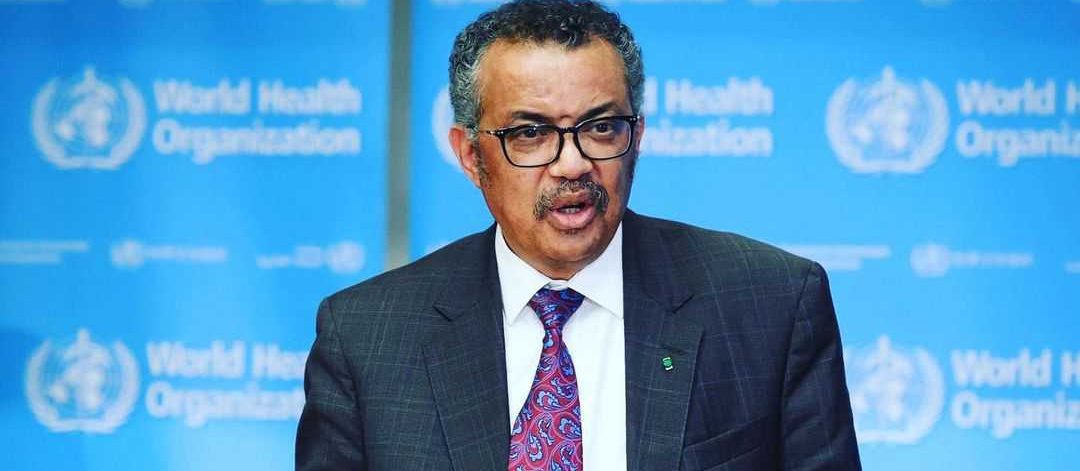
What is MPox (Monkeypox)?
Monkeypox, now more commonly referred to as MPox, is a rare but serious viral disease caused by the MPox virus, which belongs to the Orthopoxvirus family, the same family that includes the more well-known smallpox virus. Although MPox was initially confined to certain parts of Central and West Africa, its recent spread to other parts of the world has sparked significant concern, leading to its classification as a global health emergency.
What is MPox?
MPox is an infectious disease that was first identified in humans in 1970 in the Democratic Republic of Congo (DRC). The virus is closely related to the variola virus, which causes smallpox, but MPox is generally less severe. Historically, MPox was primarily found in remote parts of Central and West Africa, where it was transmitted to humans from animals, particularly rodents and primates. However, the disease has recently seen a wider spread, making global headlines.
Symptoms of MPox
MPox symptoms can range from mild to severe, and they typically appear within 5 to 21 days after exposure to the virus. The disease usually begins with flu-like symptoms and progresses to more specific signs:
- Fever: Often one of the first symptoms, the fever can be high and persistent.
- Headache: Accompanied by a throbbing pain, making it difficult to concentrate.
- Muscle Aches: This can include myalgia and general body weakness.
- Swollen Lymph Nodes: A distinguishing symptom that sets MPox apart from other similar diseases like smallpox.
- Rash or Blisters on the Skin: Typically starting on the face and spreading to other parts of the body, the rash evolves into pustules and eventually scabs over.
These symptoms often last 2 to 4 weeks, with the rash being the most visible sign of the disease. In severe cases, complications can arise, such as pneumonia, sepsis, or encephalitis.
Transmission of MPox
The MPox virus can be transmitted in several ways, which is part of what makes it a significant public health concern:
- Human-to-Human Transmission: This occurs through close contact with respiratory secretions, skin lesions of an infected person, or recently contaminated objects. The virus can also spread through bodily fluids.
- Animal-to-Human Transmission: Humans can contract MPox through direct contact with the blood, bodily fluids, or cutaneous or mucosal lesions of infected animals.
- Contaminated Surfaces: The virus can survive on surfaces for extended periods, meaning that touching contaminated surfaces can also lead to infection.
Global Spread of Monkeypox
Originally confined to Central and West Africa, MPox has now spread to various parts of the world. The virus’s global spread began in 2022, with significant outbreaks reported in Europe, North America, and Asia. As of 2024, the situation has escalated further, with the World Health Organization (WHO) declaring the outbreak a global health emergency.
MPox Outbreak 2024
The 2024 Monkeypox outbreak has been particularly alarming due to its rapid spread and the number of cases reported in countries that had not previously seen the virus. Notably, Pakistan, along with several other countries, has reported cases, leading to increased vigilance and concern. The WHO’s declaration of a global health emergency underlines the seriousness of this outbreak and the need for a coordinated international response.
Prevention and Control Measures
Preventing the spread of Monkeypox requires a combination of public health measures and personal precautions:
- General Prevention Tips: Regular hand washing, using hand sanitizers, and avoiding contact with potentially infected animals or people are crucial.
- Importance of Hygiene: Maintaining good hygiene practices, such as keeping environments clean and disinfected, can reduce the risk of transmission.
- Avoiding Contact with Infected Animals: Since animals can carry the virus, avoiding contact with wild animals in areas where MPox is prevalent is important.
MPox Vaccine
A vaccine for MPox is available and has proven effective in preventing the disease. The vaccine is particularly recommended for individuals at high risk of exposure, such as healthcare workers and people in areas with active outbreaks. WHO advises that vaccination, along with other preventive measures, is key to controlling the spread of MPox.
Treatment Options for Monkeypox
There is no specific treatment for Monkeypox, but the symptoms can be managed effectively:
- Symptomatic Treatment: Over-the-counter medications can help alleviate symptoms such as fever and pain.
- Antiviral Medications: In some cases, antivirals used to treat smallpox may also be effective against MPox.
- Hospitalization: Severe cases may require hospitalization for supportive care and to prevent complications.
Impact on Public Health
The ongoing MPox outbreak poses significant challenges to global public health. The burden on healthcare systems, particularly in countries with limited resources, is immense. Vulnerable populations, including children, pregnant women, and immunocompromised individuals, are at higher risk of severe outcomes, making it essential to prioritize these groups in the public health response.
WHO Response to Monkeypox
The WHO has been at the forefront of the global response to MPox. The organization is working closely with affected countries to monitor the situation, provide guidance, and coordinate efforts to control the outbreak. WHO is also involved in ongoing research to better understand the virus and develop more effective strategies for prevention and treatment.
Challenges in Containing MPox
Despite the efforts being made, several challenges hinder the containment of MPox:
- Logistical and Financial Challenges: Delivering vaccines and medical supplies to affected areas is difficult, especially in remote or conflict-affected regions.
- Vaccine Distribution Issues: Ensuring equitable access to vaccines is a major concern, particularly for countries with less-developed healthcare infrastructure.
- Public Awareness and Education: Many people are still unaware of the risks posed by MPox, leading to delays in seeking treatment and higher transmission rates.
Comparisons with Previous Outbreaks
MPox is often compared to smallpox due to their similarities, but there are key differences:
- MPox vs. Smallpox: While both diseases are caused by Orthopoxviruses, MPox is generally less severe and less transmissible than smallpox.
- Lessons Learned from the 2022 Outbreak: The global response to the 2022 outbreak highlighted the importance of early detection and rapid response, lessons that are crucial in managing the current outbreak.
- Differences in the Global Response: The response to MPox has been more coordinated and informed by past experiences with smallpox and other emerging diseases.
Public Awareness and Education
Raising public awareness is crucial in controlling the spread of Monkeypox. Governments and health organizations must provide clear, accurate information about the disease, its symptoms, and how to prevent it. Educating the public about the importance of hygiene, vaccination, and seeking medical attention promptly can help reduce the impact of the outbreak.
Conclusion
Monkeypox is a significant public health challenge that requires a coordinated global response. Understanding the disease, its symptoms, and how it spreads is crucial for preventing further outbreaks. The 2024 outbreak has shown that Monkeypox is no longer confined to certain regions and can affect anyone, anywhere. By taking preventive measures, promoting vaccination, and ensuring that public health systems are equipped to handle the disease, we can work towards controlling and eventually eliminating MPox.
FAQs
How does MPox compare to other viral diseases?
Monkeypox is similar to smallpox in its symptoms and transmission but is generally less severe. It is also less contagious than some other viral diseases like COVID-19.
Is there a cure for MPox?
There is no specific cure for Monkeypox, but the symptoms can be managed with medical care. Vaccination and preventive measures are the best ways to control the disease.
Can Monkeypox be prevented without a vaccine?
Yes, Monkeypox can be prevented through hygiene practices, avoiding contact with infected individuals or animals, and following public health guidelines.
What should you do if you suspect you have Monkeypox?
If you suspect you have Monkeypox, seek medical attention immediately. Isolate yourself to prevent spreading the virus to others, and follow the advice of healthcare professionals.
How long does it take to recover from Monkeypox?
Recovery from Monkeypox typically takes 2 to 4 weeks, depending on the severity of the symptoms. Most people recover without complications, but severe cases may require longer recovery times.
Source: Google News
Read more: Alitech Blog

Zeeshan Ali Shah is a professional blog writer at AliTech Solutions, and Realancer renowned for crafting engaging and informative content. He holds a degree from the University of Sindh, where he honed his expertise in technology. With a keen eye for detail and a passion for staying up-to-date on the latest tech trends, Zeeshan’s writing provides valuable insights to his readers. His expertise in the tech industry makes him a sought-after writer, and his work at AliTech Solutions has earned him a reputation as a trusted and knowledgeable voice in the field.



Leave a Reply