


Introduction
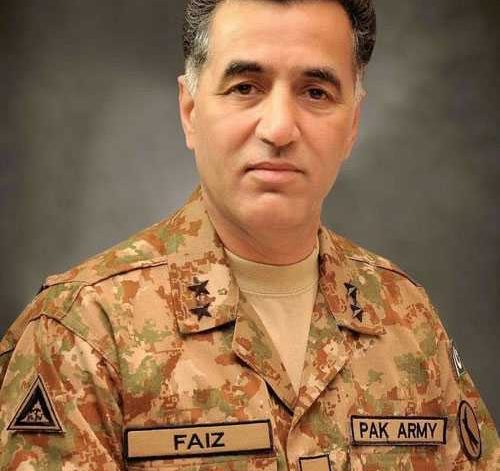
The arrest of Lt. Gen. (Retd) Faiz Hameed, the former chief of Pakistan’s premier spy agency, Inter-Services Intelligence (ISI), has sent shockwaves across the country. This significant event has not only captivated public attention but has also stirred the political and military landscape in Pakistan. The former spymaster, who once wielded considerable influence, is now facing court martial proceedings—a rare occurrence in the nation’s history.
Background on Lt. Gen. (Retd) Faiz Hameed
Faiz Hameed served as the head of the ISI from June 2019 to October 2021, a period marked by intense political upheaval in Pakistan. Known for his close association with the former Prime Minister Imran Khan, Hameed was often seen as one of the most powerful figures in the country. His tenure as ISI chief was marred by controversies, with many accusing him of meddling in political affairs, particularly in the removal of Nawaz Sharif from power in 2017.
Hameed’s influence extended beyond the borders of Pakistan. He gained international notoriety in 2021 when he was photographed drinking tea at a hotel in Kabul, shortly after the Taliban seized control of Afghanistan. This image symbolized the complex and often controversial role of the ISI in regional geopolitics.
The Allegations Against Faiz Hameed
The arrest of Faiz Hameed is rooted in a series of grave allegations, most notably the Top City housing society case. The owner of Top City, Moeez Ahmed Khan, has accused Hameed of gross misconduct, including extortion, land grabbing, and the illegal seizure of valuables. According to the petition filed by Khan, Hameed misused his official position to orchestrate raids on Khan’s residence and business offices, resulting in the unlawful detention of Khan and his family members.
The accusations against Hameed are severe, with Khan alleging that he was forced to transfer his business properties to individuals designated by Hameed. The petition also highlights that false cases were registered against Khan and his family, further intensifying the gravity of the situation.
The Court Martial Process
In response to these allegations, the Pakistan Army has initiated court martial proceedings against Faiz Hameed. Under the Pakistan Army Act, a detailed court of inquiry was conducted to investigate the claims made by Khan. The inquiry concluded that Hameed had indeed violated the Pakistan Army Act, both during his service and post-retirement.
A court martial in Pakistan is a legal process within the military to try individuals who are subject to military law. It can result in various penalties, ranging from dismissal from service to imprisonment. The initiation of such proceedings against a retired lieutenant general is unprecedented and underscores the seriousness of the allegations.
Reaction from the Public and Political Circles
The arrest of Faiz Hameed has elicited mixed reactions from different segments of society. The government, led by the Pakistan Muslim League-Nawaz (PML-N), has praised the military’s decision to hold Hameed accountable, viewing it as a step toward upholding the rule of law. Information Minister Attaullah Tarar and other government officials have expressed confidence that the investigation will reveal the full extent of Hameed’s involvement in various illicit activities.
On the other hand, the Pakistan Tehreek-e-Insaf (PTI) party, which Hameed was closely associated with during Imran Khan’s tenure, has maintained a more reserved stance. PTI leaders have referred to the matter as an “internal issue” of the army, refraining from making any direct comments on the court martial proceedings.
Public opinion is divided, with some praising the move as a necessary step toward military accountability, while others remain skeptical, questioning the motives behind the timing of the arrest.
Historical Context: Military Accountability in Pakistan
Pakistan’s military has a long and complex history of wielding considerable influence over the country’s politics. However, instances of high-ranking military officers being held accountable are extremely rare. The case of Faiz Hameed stands out, not only because of his prominent position but also because of the severity of the charges against him.
In the past, there have been a few instances where military officers faced disciplinary actions, but none have been as high-profile as Hameed’s case. This event marks a potential turning point in the country’s approach to military accountability.
Implications for the Pakistan Army
The court martial of Faiz Hameed has far-reaching implications for the Pakistan Army. Firstly, it sends a strong message that even the most powerful figures within the military are not above the law. This could lead to increased scrutiny of other senior officers, both serving and retired, and may prompt a reevaluation of the military’s internal accountability mechanisms.
Furthermore, this case could have a lasting impact on civil-military relations in Pakistan. The army’s willingness to take action against one of its own may be seen as an attempt to restore its image in the eyes of the public, particularly after recent controversies surrounding its involvement in political matters.
The Role of the Supreme Court
The Supreme Court of Pakistan has played a crucial role in the developments leading to Hameed’s arrest. The court’s directive to conduct a detailed inquiry into the Top City case was a pivotal moment in the proceedings. The judiciary’s involvement underscores the importance of maintaining checks and balances, even within the powerful military establishment.
The court’s decision to intervene in this matter highlights the need for judicial oversight in cases involving military officials. It also reinforces the principle that no individual, regardless of their position, is above the law.
Faiz Hameed’s Relationship with Imran Khan
Faiz Hameed’s close relationship with Imran Khan has added another layer of complexity to this case. During his tenure as ISI chief, Hameed was often perceived as one of Khan’s key allies within the military. His actions were seen as instrumental in shaping the political landscape during Khan’s premiership.
The ongoing court martial proceedings have further strained the already tense relationship between the PTI and the military. As the case unfolds, it remains to be seen how it will affect both Hameed’s and Khan’s futures.
Comparative Analysis: Military Accountability in Other Countries
When examining military accountability in Pakistan, it’s useful to compare it with practices in other countries. In many democracies, military officers are subject to the same legal standards as civilians, and court martial proceedings are transparent and subject to civilian oversight.
In contrast, Pakistan’s military has traditionally operated with a high degree of autonomy. The arrest of Faiz Hameed represents a significant departure from this norm and could signal a shift toward greater accountability.
Public Perception and the Media
The media coverage of Faiz Hameed’s arrest has been extensive, with news outlets providing detailed reports on the allegations and the court martial proceedings. Social media has also played a crucial role in shaping public opinion, with debates raging over the implications of the case.
While some view the arrest as a positive step toward accountability, others see it as part of a larger political maneuver. The diversity of opinions reflects the complex nature of the case and its potential impact on Pakistan’s future.
The Future of Military Oversight in Pakistan
The arrest of Faiz Hameed could lead to significant changes in how the military is governed in Pakistan. The case has highlighted the need for stronger oversight mechanisms to ensure that military officials are held accountable for their actions.
Moving forward, there may be calls for reforms in the Pakistan Army Act and other relevant legislation to enhance transparency and accountability within the military. The role of civilian government in overseeing military affairs could also come under increased scrutiny.
Challenges and Controversies
Prosecuting a high-ranking military officer like Faiz Hameed is not without its challenges. The military’s internal dynamics, coupled with the potential for political interference, could complicate the proceedings. Additionally, the case could lead to controversies, particularly if it is perceived as being politically motivated.
As the court martial progresses, it will be important to ensure that the proceedings are conducted fairly and transparently to maintain public trust in the judicial system.
Conclusion
The arrest of Lt. Gen. (Retd) Faiz Hameed marks a significant moment in Pakistan’s history. It underscores the importance of the rule of law and the need for accountability at all levels of society, including within the military. While the case is still unfolding, its implications are likely to be far-reaching, influencing not only the military’s internal processes but also the broader political landscape of the country.
FAQs
What is the Pakistan Army Act?
The Pakistan Army Act is a law that governs the conduct of military personnel in Pakistan. It outlines the legal framework for disciplinary actions, including court martial proceedings.
How does a court martial work in Pakistan?
A court martial in Pakistan is a military trial conducted to prosecute members of the armed forces who are accused of violating military laws. The process involves an inquiry, followed by a trial where evidence is presented, and a verdict is reached.
What were the main accusations against Faiz Hameed?
Faiz Hameed has been accused of extortion, land grabbing, and illegal seizure of valuables, among other charges. The allegations are primarily linked to the Top City housing society case.
How is this case affecting Pakistan’s political landscape?
The case has had a significant impact on Pakistan’s political landscape, particularly due to Faiz Hameed’s close association with former Prime Minister Imran Khan. It has also sparked debates on military accountability and civil-military relations.
What could be the long-term implications of this case?
The long-term implications of this case could include changes in military oversight, reforms in relevant laws, and a shift in civil-military relations in Pakistan. It could also influence future cases involving high-ranking military officials.
Read more: Alitech Blog

Zeeshan Ali Shah is a professional blog writer at AliTech Solutions, and Realancer renowned for crafting engaging and informative content. He holds a degree from the University of Sindh, where he honed his expertise in technology. With a keen eye for detail and a passion for staying up-to-date on the latest tech trends, Zeeshan’s writing provides valuable insights to his readers. His expertise in the tech industry makes him a sought-after writer, and his work at AliTech Solutions has earned him a reputation as a trusted and knowledgeable voice in the field.



Leave a Reply