


Pakistan’s New Currency Notes: A Fresh Look at the Nation’s Economic Identity
Introduction :
In a significant move to modernize the country’s financial system, Pakistan has introduced a new series of currency notes. This change marks a critical juncture in the nation’s efforts to bolster its economy, combat the persistent issue of counterfeit currency, and strengthen public trust in its financial institutions. The introduction of these new notes reflects not only technological advancements in security features but also an emphasis on cultural representation, as they showcase Pakistan’s rich heritage and economic aspirations. However, like any major shift in policy or public infrastructure, this transition is not without its challenges. This blog delves into the multifaceted aspects of these new currency notes, exploring the reasons behind their introduction, their features, public reception, and the broader economic implications for Pakistan.
Why New Currency Notes?
a. Enhancing Security Features
The introduction of new currency notes in Pakistan is primarily driven by the need to enhance the security of the nation’s money supply. In recent years, the proliferation of counterfeit currency has posed a significant threat to Pakistan’s economy. As counterfeiters employ increasingly sophisticated techniques, it has become imperative for the State Bank of Pakistan (SBP) to introduce notes that are difficult to replicate.
The new currency notes incorporate cutting-edge security features such as holographic strips, advanced watermarks, microprinting, and ultraviolet (UV) elements. These measures are designed to thwart counterfeiters and protect the integrity of Pakistan’s currency. The holographic strips, for example, change color when viewed from different angles, making them nearly impossible to replicate with traditional printing methods. Similarly, the UV features make certain elements of the notes visible only under ultraviolet light, adding another layer of security.
These enhancements are expected to reduce the circulation of fake notes significantly. For ordinary citizens, this means a lower risk of inadvertently accepting counterfeit currency, which in turn should increase public confidence in the financial system. However, while these features represent a significant technological leap forward, the true test will be in their effectiveness over time. Critics argue that counterfeiters may eventually develop new methods to bypass these security measures, which could lead to a new wave of fake currency.
b. Cultural Representation and Design
The decision to introduce new currency notes was also motivated by a desire to reflect Pakistan’s rich cultural heritage and diverse identity. The designs of the new notes have been carefully crafted to celebrate the nation’s history, culture, and achievements. Each denomination features images of iconic landmarks, historical figures, and cultural symbols that resonate deeply with the Pakistani people.
For instance, the notes prominently feature portraits of national heroes like Quaid-e-Azam Muhammad Ali Jinnah and Allama Iqbal, figures who played pivotal roles in the creation of Pakistan
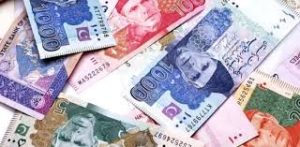 and in shaping its national identity. Additionally, the notes depict landmarks such as the Badshahi Mosque and Mohenjo-Daro, highlighting Pakistan’s architectural and archaeological heritage.
This focus on cultural representation is intended to instill a sense of national pride among citizens. The currency is not just a medium of exchange; it is a symbol of the nation’s values and aspirations. By incorporating these cultural elements, the SBP aims to reinforce a sense of unity and shared identity among Pakistanis.
However, this emphasis on cultural representation has not been without its detractors. Some critics have pointed out that the choice of symbols and figures on the notes may not fully reflect the diversity of Pakistan’s population. There are concerns that certain regions or communities may feel underrepresented or excluded, which could lead to feelings of alienation or resentment. Additionally, the introduction of new designs has caused some confusion among the public, particularly among older citizens who are more accustomed to the old notes.
Features of the New Currency Notes
a. Security Enhancements
The new currency notes introduced by the SBP are among the most secure ever issued in Pakistan. The security features have been designed to provide multiple layers of protection against counterfeiting, ensuring that the notes are both functional and difficult to replicate.
Holographic Strips: These are perhaps the most noticeable of the new security features. When tilted, the holographic strips on the notes display shifting colors and images. This feature is designed to be easily recognizable by the general public, making it straightforward to verify the authenticity of a note.
Watermarks: Traditional watermarks have been enhanced with more intricate designs. These watermarks are embedded into the paper during the manufacturing process and can be seen when the note is held up to the light. The complexity of the new watermarks makes them significantly harder to duplicate.
Microprinting: Another important security feature is microprinting, which involves printing tiny text that is invisible to the naked eye but can be seen under magnification. This text is often integrated into the background design of the notes and serves as an additional barrier to counterfeiting.
UV Features: Under ultraviolet light, specific elements of the new currency notes become visible, such as fluorescent ink patterns and security threads. These features are designed for use by banks and other financial institutions to quickly and accurately verify the authenticity of notes.
These security features collectively make the new currency notes much more secure than their predecessors. However, there is a lingering concern that these enhancements may not be enough to completely eliminate the threat of counterfeit currency. As technology continues to evolve, counterfeiters may find new ways to replicate even the most advanced security features, necessitating ongoing vigilance and adaptation by the SBP.
b. Design Innovations
In addition to their security features, the new currency notes are notable for their design innovations.
 The SBP has worked with artists and historians to create notes that are not only functional but also aesthetically pleasing and culturally
significant.
Historical Figures: The new notes prominently feature portraits of historical figures who have played a crucial role in Pakistan’s history.
For example, the 5000 rupee note features a portrait of Quaid-e-Azam Muhammad Ali Jinnah, the founder of Pakistan, while the 1000 rupee note features Allama Iqbal, the philosopher-poet who inspired the creation of the state.
These figures are depicted in a way that emphasizes their importance and the values they represent.
Cultural Symbols: The notes also incorporate symbols that represent the diverse regions and cultures of Pakistan. For instance, the 100 rupee note features an image of the Badshahi Mosque in Lahore, one of the most iconic landmarks in the country. The 50 rupee note features an image of Mohenjo-Daro, one of the world’s oldest and most significant archaeological sites. These symbols are intended to remind citizens of Pakistan’s rich cultural heritage and to foster a sense of national pride.
Modern Elements: In addition to traditional symbols, the new currency notes also incorporate modern design elements that reflect Pakistan’s progress and aspirations. These include abstract patterns and colors that are intended to give the notes a contemporary feel while still respecting the country’s traditions.
While the design innovations of the new currency notes have been widely praised, they have also been a source of controversy. Some critics argue that the new designs are too modern and do not sufficiently respect Pakistan’s traditional aesthetic values. Others believe that the designs are too complex and difficult to distinguish from one another, particularly for people who are not familiar with the new notes.
Public Reception and Impact
a. Initial Public Reactions
The introduction of the new currency notes has sparked a wide range of reactions from the public. On one hand, many citizens have expressed admiration for the updated designs and enhanced security features. The new notes have been praised for their beauty and for the way they celebrate Pakistan’s cultural heritage. Social media platforms have been filled with discussions about the new designs, with many people sharing their thoughts and opinions.
However, not all of the reactions have been positive. Some people have criticized the new notes for being too difficult to recognize, particularly for older citizens and those who are not accustomed to the new designs. There have been reports of confusion and mistakes during transactions, as people struggle to distinguish the new notes from one another. This has led to calls for better public education and awareness campaigns to help people become more familiar with the new currency.
In addition to the confusion over the new designs, there has also been some skepticism about the effectiveness of the new security features. While the SBP has assured the public that the new notes are highly secure, there are still concerns that counterfeiters may eventually find ways to replicate them. This skepticism has been fueled by the fact that counterfeit currency has been a persistent problem in Pakistan for many years, and it remains to be seen whether the new notes will be able to fully address this issue.
b. Impact on Daily Transactions
The impact of the new currency notes on daily transactions has been mixed. On the one hand, the new notes are expected to integrate smoothly into the economy over time, as people become more familiar with them and as the old notes are gradually phased out. Banks and businesses have been working to ensure that the transition is as seamless as possible, and most people have been able to use the new notes without any major issues.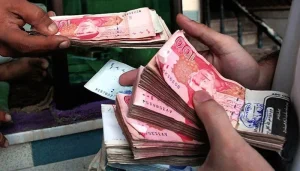
However, there have been some challenges, particularly in rural areas where access to information about the new notes is limited. In these areas, people have reported difficulties in recognizing and using the new notes, leading to delays and errors in transactions. There have also been reports of counterfeit notes circulating in some areas, which has added to the confusion and has led to concerns about the security of the new currency.
Despite these challenges, the SBP has remained confident that the new notes will be successful in the long run. The bank has launched a series of public education campaigns to help people become more familiar with the new notes and to raise awareness about the importance of using secure and authentic currency. These efforts are expected to reduce confusion and to help the new notes gain widespread acceptance over time.
Challenges and Criticisms
a. Transition Period
The transition from old to new currency notes is always a challenging process, and Pakistan is no exception. One of the main challenges has been ensuring that the new notes are available in all parts of the country, particularly in rural areas where access to banking services is limited. The SBP has made efforts to distribute the new notes as widely as possible, but there have been reports of shortages in some areas, leading to frustration and inconvenience for the public.
Another challenge has been public education. The new notes are significantly different from the old ones in terms of both design and security features, and many people have found it difficult to adjust to the changes. The SBP has launched a series of public awareness campaigns to help people become more familiar with the new notes, but it will take time for these efforts to reach everyone, particularly in remote areas.
There have also been concerns about the cost of the transition. The introduction of new currency notes requires significant investment in printing, distribution, and public education. Some critics have questioned whether this investment is justified, particularly at a time when Pakistan is facing economic challenges. They argue that the money spent on the new notes could have been better used to address more pressing issues, such as poverty and unemployment.
b. Addressing Counterfeit Concerns
Counterfeiting has been a persistent problem in Pakistan, and the introduction of new currency notes is intended to address this issue. However, there are concerns that the new notes may not be as secure as the SBP claims. While the new security features are designed to make the notes difficult to replicate, there is still a risk that counterfeiters will find ways to bypass these measures.
One of the main concerns is that the new notes may be too complex for ordinary people to recognize and verify. The SBP has introduced a range of security features, including holographic strips, watermarks, microprinting, and UV elements, but these features are not always easy to see or understand. This could make it difficult for people to distinguish between genuine and counterfeit notes, particularly in low-light conditions or in areas where access to information is limited.
Another concern is that the introduction of new notes could lead to an increase in counterfeiting in the short term. Whenever a new currency is introduced, there is a period of uncertainty as people adjust to the changes. This uncertainty can create opportunities for counterfeiters to take advantage of the confusion and to circulate fake notes. The SBP has acknowledged this risk and has taken steps to mitigate it, but there are still concerns that counterfeit currency could become a major problem during the transition period.
Despite these concerns, the SBP remains confident that the new notes will be effective in reducing counterfeiting in the long term. The bank has committed to ongoing monitoring and public education to ensure that the new notes are widely accepted and trusted. However, it will take time to fully assess the impact of the new notes on the problem of counterfeit currency.
The Broader Economic Context
a. Strengthening the Economy
The introduction of new currency notes is part of broader efforts by the Pakistani government to strengthen the economy. By improving the security and trustworthiness of the currency, the government aims to stabilise the economy and curb illicit activities such as money laundering and counterfeiting. These efforts are seen as essential to building a more robust and resilient financial system that can support Pakistan’s long-term economic growth.
In addition to their security features, the new currency notes are also intended to promote economic confidence. When people trust the money they use daily, they are more likely to engage in economic activities such as spending, saving, and investing. This, in turn, can help to stimulate economic growth and to create jobs and opportunities for people across the country.
However, the success of these efforts will depend on a number of factors, including the effectiveness of the new security features, the public’s willingness to accept the new notes, and the government’s ability to address the broader challenges facing the economy. There are concerns that the introduction of new currency notes, while necessary, may not be enough to address the underlying issues that have contributed to Pakistan’s economic challenges, such as corruption, inefficiency, and political instability.
b. Boosting Public Confidence
One of the main goals of the new currency notes is to boost public confidence in the financial system. In recent years, there has been growing concern about the stability and reliability of Pakistan’s currency, particularly in the face of inflation, devaluation, and counterfeiting. The new notes are intended to address these concerns by providing a secure and trustworthy medium of exchange that people can rely on.
Public confidence is essential to the health of any economy. When people trust the money they use, they are more likely to engage in economic activities that drive growth and development. Conversely, when people lose confidence in the currency, they may be less likely to spend or invest, leading to economic stagnation and decline.
The SBP has taken a number of steps to boost public confidence in the new currency notes, including public education campaigns, partnerships with banks and businesses, and efforts to ensure that the new notes are widely available and easily recognizable. These efforts are expected to help the new notes gain acceptance and to restore confidence in the financial system.
However, public confidence is not something that can be achieved overnight. It will take time for the new notes to become widely accepted and trusted, particularly in areas where access to information is limited or where people have had negative experiences with counterfeit currency in the past. The SBP will need to continue its efforts to educate the public and to ensure that the new notes are seen as a reliable and trustworthy form of currency.
What’s Next for Pakistan’s Currency?
The introduction of new currency notes is just the beginning of a broader effort to modernize Pakistan’s financial system. The SBP has indicated that further measures will be taken to enhance the security and trustworthiness of the currency, including the possible introduction of digital currency and further updates to currency security features.
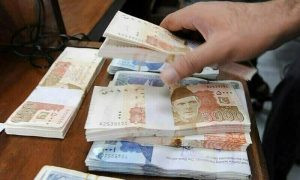 One of the most significant developments on the horizon is the potential introduction of a digital currency. The SBP has been exploring the possibility of issuing a central bank digital currency (CBDC), which would be a digital version of the Pakistani rupee. A CBDC could offer a number of benefits, including increased security, lower transaction costs, and greater financial inclusion. However, there are also challenges and risks associated with digital currency, including concerns about privacy, cybersecurity, and the impact on the traditional banking system.
Another area of focus for the SBP is the ongoing effort to improve currency security. The introduction of new currency notes is an important step, but it is not the end of the process. The SBP will need to continue to monitor the effectiveness of the new security features and to make adjustments as necessary to stay ahead of counterfeiters.
In addition to these measures, the SBP will also need to address the broader challenges facing Pakistan’s economy. While the new currency notes are an important part of the solution, they are not a panacea. The government will need to continue its efforts to address issues such as corruption, inefficiency, and political instability, which have contributed to Pakistan’s economic challenges.
Conclusion
The new currency notes in Pakistan symbolize more than just a change in design; they represent the country’s commitment to a secure and robust financial system. While the transition presents challenges, the long-term benefits of enhanced security and cultural representation are significant. As Pakistan continues to grow and evolve, these new notes are a positive step towards a more secure and prosperous future. However, to fully realize these benefits, the challenges of transition, public confusion, and counterfeiting must be addressed promptly and effectively.
The introduction of new currency notes is just one part of a broader effort to modernize Pakistan’s financial system and to strengthen the economy. The SBP has made significant progress, but there is still much work to be done. By continuing to focus on security, public confidence, and economic growth, Pakistan can build a more resilient and prosperous future for its people.
Source: Google News
Read more blogs: Alitech Blog




Leave a Reply