



Pakistan’s Freelancers Are Powering the Digital Economy
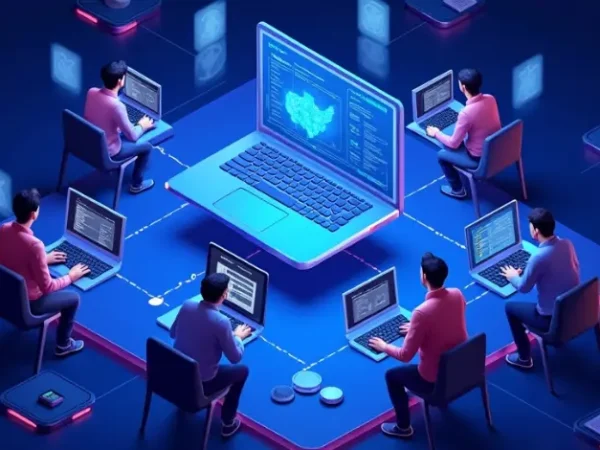
Pakistan’s freelance community has become a strong economic engine, bringing in over $500 million annually in foreign exchange. With over 2.3 million active freelancers, the country has become a hub for digital talent, serving international clients in software development, content creation, digital marketing, virtual assistance, and much more. The sheer scale of this workforce is impressive, especially given the challenges Pakistan faces in traditional employment sectors.
The Role of Prime Minister’s Digital Hub
The government’s new initiative, Prime Minister’s Digital Hub, is designed to empower young people and support the booming freelance ecosystem. Through this hub, the government is launching skills development programs and building infrastructure aimed at helping youth enter the digital economy. It’s a bold move, signaling a shift in how the country sees employment—not just within office walls, but beyond, in the cloud.
Government Collaboration With PAFLA
Chairman of Prime Minister’s Digital Hub, Rana Mashhood Ahmad Khan, recently met with Ibrahim Amin, the Chairman of the Pakistan Freelancers Association (PAFLA). This meeting underlined the government’s commitment to supporting freelancers. It also opened new pathways for collaboration between government and industry stakeholders to provide the tools, infrastructure, and financial services freelancers need to succeed.
E-Rozgar Centers to Empower Professionals Nationwide
One of the government’s major plans is to launch 250 e-Rozgar Centers across Pakistan. These centers will provide free access to workspaces, internet, and training for freelancers and other skilled professionals. Whether you’re a designer in Lahore or a data analyst in Quetta, these centers aim to provide equal opportunity for all, no matter where you live.
Digital Youth Hub and Its Impact
Developed through a partnership between PMYP and UNICEF, the Digital Youth Hub is another initiative working to guide Pakistan’s youth toward jobs, entrepreneurship, and education. It’s a digital platform helping young people find their direction in a fast-changing world. From mentorship to job listings, this portal offers a full package to help youth explore and grow.
The Voice of the Freelancing Community
Ibrahim Amin of PAFLA emphasized the importance of recognizing freelancers as key contributors to Pakistan’s economy. With the right government backing and streamlined digital infrastructure, he believes that freelancers could contribute over a billion dollars a year. But that will require greater coordination, access to payment gateways, and improvements in banking services.
The Struggle With International Payments
One of the biggest issues freelancers face in Pakistan is dealing with international payments. Platforms like PayPal are still not officially supported in the country, causing delays and additional fees when receiving payments. PAFLA is pushing hard to bring more international payment gateways into the country, as this would unlock new opportunities for freelancers and encourage more youth to join the digital workforce.
Encouraging a Cashless Economy Through Freelancers
PAFLA has also urged policymakers to provide special incentives for freelancers through commercial banks. This includes freelancer-friendly bank accounts, quicker foreign currency transfers, and dollar retention in personal accounts. These steps can support a shift toward a more digital, cashless economy.
PAFLA’s National Footprint and Advocacy
Since its inception in 2018, PAFLA has grown into a strong voice for freelancers. It has hosted over 35 physical seminars and 25 online training sessions across the country. These events cover everything from digital skills development to contract negotiations and financial literacy—crucial skills for surviving and thriving in the freelance world.
Game-Changing MoUs With Local Banks
To address financial barriers, PAFLA has signed multiple Memorandums of Understanding (MoUs) with leading Pakistani banks. These agreements aim to ease international remittances, provide better banking options for freelancers, and ensure a smoother experience when working with global clients.
Google Joins Hands With PAFLA
In a major boost, PAFLA facilitated a partnership with global tech giant Google. Through this collaboration, training programs and workshops were launched, offering freelancers guidance in areas like digital marketing, SEO, and app development. This step is helping to place Pakistani freelancers on the global map.
Freelancers Getting Access to Coworking Spaces
PAFLA has worked with several coworking spaces to offer freelancers professional environments with fast internet and office resources. This is especially important in areas where consistent power or internet access can be an issue. It also helps freelancers connect with others in their field, share knowledge, and grow together.
Recognizing the Vision of Ibrahim Amin
Tufail Ahmed Khan, the President and CEO of PAFLA, credited Ibrahim Amin for his relentless efforts in promoting freelancing across the country. From public awareness campaigns to lobbying for freelancer rights, Amin has become a household name among Pakistan’s digital workforce. His commitment to empowering young people has made freelancing a real career option for millions.
PAFLA’s Global Impact
Through its training sessions, financial partnerships, and community building, PAFLA has helped Pakistani freelancers gain global recognition. The association has played a key role in building trust between international clients and local talent. This has led to consistent inflow of foreign exchange, helping stabilize Pakistan’s economy in turbulent times.
The Growing Need for Satellite Internet Services
To support the digital economy, fast and reliable internet is a must. That’s why Pakistan is now working on bringing satellite-based internet providers like Starlink into the country. With delays in terrestrial internet and lack of access in rural areas, satellite internet can be a game changer for remote workers and freelancers alike.
New Satellite Regulations and Entry of Global Players
After the expiration of Starlink’s initial NOC in March, new satellite regulations are being finalized to allow multiple players, including OneWeb and Shanghai Spacecom, to operate in Pakistan. This move will not only improve connectivity but also provide competition, driving better service and lower prices.
What Satellite Internet Means for Freelancers
High-speed satellite internet will allow freelancers from remote areas to connect with clients worldwide without disruptions. Whether someone is living in a small town in Balochistan or a hilly village in Gilgit, they’ll be able to access global markets just as easily as someone in Islamabad or Karachi.
Suparco’s Role With PakSat
Suparco’s PakSat project currently provides internet services through its MM-1 satellite. However, it’s mostly geared toward corporate clients and doesn’t meet the needs of individual freelancers. With more LEO satellite players entering the market, even solo freelancers can expect better service in the future.
Government’s Vision: A Digital-First Pakistan
With so many government and private initiatives aligned, the vision is clear: create a Pakistan where digital jobs are not only common, but preferred. From skill development to internet access and financial inclusion, every effort is working toward building a thriving digital economy powered by freelancers.
Freelancers Are the Future
There’s no denying that freelancers are helping reshape Pakistan’s economy. With support from government programs, organizations like PAFLA, and improved technology infrastructure, the freelance economy is only going to grow. The target now is not just $500 million—but billions in foreign earnings, and millions more empowered lives.
Conclusion
Pakistan’s freelance community has come a long way—from working in the shadows to becoming a pillar of the national economy. With strong leadership, effective policies, and innovative partnerships, this momentum can transform Pakistan into a global freelance powerhouse. The journey has only just begun, and the future looks digital, decentralized, and full of opportunity.
FAQs
1. How much do Pakistani freelancers earn collectively every year?
Pakistani freelancers earn over $500 million annually, contributing significantly to the national economy.
2. What is PAFLA and what does it do?
PAFLA stands for the Pakistan Freelancers Association. It supports freelancers through training, advocacy, and partnerships with banks and tech companies.
3. What is the role of Prime Minister’s Digital Hub?
The Prime Minister’s Digital Hub focuses on skill development, youth empowerment, and creating opportunities for digital workers.
4. Will satellite internet help freelancers in Pakistan?
Yes, satellite internet can provide reliable high-speed connectivity in remote areas, enabling more people to work online without interruptions.
5. What are e-Rozgar Centers?
e-Rozgar Centers are government-run facilities offering workspaces, internet, and training for freelancers and skilled professionals across Pakistan.
Realancer
Realancer is the platform that adapts to you. Whether you’re looking to hire or get hired, Realancer gives you more control, clarity, and connection.
👉 Join the waitlist now: https://app.realancer.net/
Let the right work find you — the smarter way.
Read more blogs: Alitech Blog

Zeeshan Ali Shah is a professional blog writer at AliTech Solutions, and Realancer renowned for crafting engaging and informative content. He holds a degree from the University of Sindh, where he honed his expertise in technology. With a keen eye for detail and a passion for staying up-to-date on the latest tech trends, Zeeshan’s writing provides valuable insights to his readers. His expertise in the tech industry makes him a sought-after writer, and his work at AliTech Solutions has earned him a reputation as a trusted and knowledgeable voice in the field.

Leave a Reply