


The automotive industry is on the verge of a massive transformation, and two of the biggest tech giants—Qualcomm and Google—are at the forefront of this evolution. They’re betting that the future of cars lies not just in electric motors or sleek designs, but in artificial intelligence (AI). But what does AI in your car really mean, and how will it change the way we drive and experience transportation?
Qualcomm’s Snapdragon Digital Chassis and Google’s Android Automotive OS
Qualcomm has been a significant player in mobile and automotive technology for years. With its Snapdragon Digital Chassis, it aims to revolutionize how cars operate, incorporating AI to create an in-car experience that is as advanced as modern smartphones. Partnering with Google’s Android Automotive OS, Qualcomm’s platform promises to bring generative AI to the forefront of in-car systems. This partnership was highlighted during the Snapdragon Summit 2024 in Maui, where Qualcomm revealed its vision of the future.
The Concept of a “Digital Cockpit”
At the heart of this collaboration is the idea of a “digital cockpit.” Qualcomm’s Snapdragon platform, combined with Google’s AI technology, will turn your car’s dashboard into an intelligent hub. This cockpit will be more than just a display of speed, gas levels, and maps—it will be an end-to-end experience that includes voice assistants, immersive maps, and real-time updates to cater to the driver’s needs.
AI in Cars: What Does It Mean?
So, what exactly does having AI in your car mean? Imagine a scenario where your car becomes an extension of your digital life. You could book a restaurant reservation using voice commands, and the AI assistant would log into your accounts, add the appointment to your Google Calendar, and even start the navigation to the restaurant as the time approaches. This level of integration between the car and the rest of your devices is one of the key features Qualcomm and Google aim to deliver.
Autonomous Driving and Real-Time Problem Solving
One of the most exciting aspects of AI in cars is its potential to support autonomous driving. Qualcomm provided an example of how this could work in the future: imagine you’re driving to a busy downtown area, and the car detects that there is no parking available. Instead of wasting time driving in circles, the car would inform you that it will drop you off at your destination and find a parking spot on its own. This feature could save drivers hours of frustration and make city driving more efficient.
Integration with Apple CarPlay
For those who are fans of Apple’s CarPlay, there’s no need to worry. Qualcomm has ensured that its new digital cockpit will still be compatible with Apple’s popular iPhone mirroring software. This compatibility reflects Qualcomm’s strategy of making its platform flexible enough to support multiple ecosystems, whether it’s Google’s Android or Apple’s iOS.
A Future Powered by Custom AI Voice Assistants
One of the primary goals of the Qualcomm-Google partnership is to enable automakers to create custom AI voice assistants. These assistants will be more than just a basic version of Google Assistant or Siri. Instead, automakers can design them to be unique to their brand, adding customized features that do not rely on a driver’s phone. This could create brand-specific experiences that differentiate car manufacturers in a competitive market.
The Role of Qualcomm’s New Chips: Snapdragon Cockpit Elite and Ride Elite
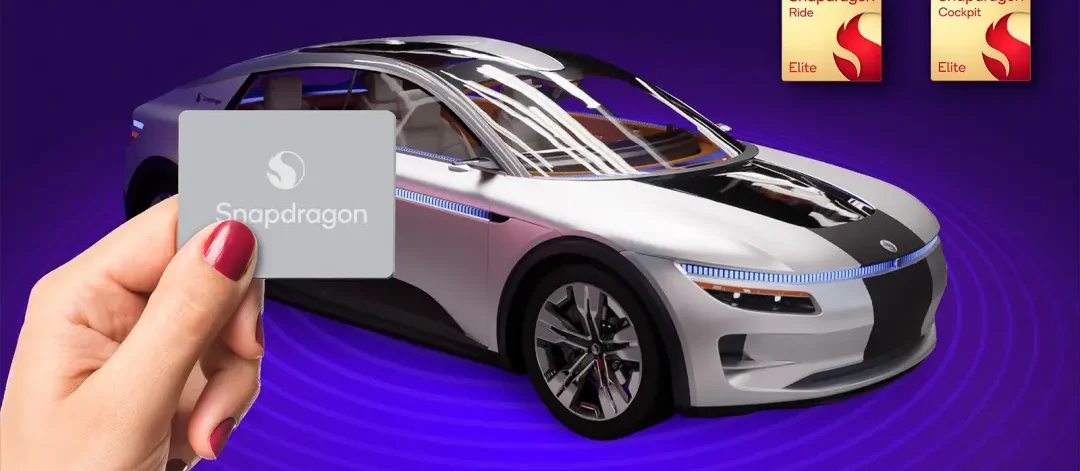
At the Snapdragon Summit 2024, Qualcomm introduced two new chips that will play a crucial role in making AI-powered cars a reality: Snapdragon Cockpit Elite and Snapdragon Ride Elite. The Cockpit Elite is designed to power the in-car dashboard experience, while Ride Elite will handle the more complex tasks of autonomous driving. These chips can manage multiple sensors, including cameras, LiDAR, and radar, to provide a seamless AI-driven experience.
Mercedes-Benz and Li Auto: Early Adopters
Mercedes-Benz and China’s Li Auto have already committed to using Qualcomm’s new digital cockpit technology in their upcoming vehicles. These early adopters signal the beginning of a wave of AI-powered cars that will soon hit the market. While it’s still early days, Qualcomm’s presence in hundreds of millions of vehicles means that many drivers are already experiencing some form of this technology.
The Use of Generative AI for Predictive Updates
One of the features that Qualcomm and Google aim to introduce is generative AI-powered updates. These updates will help predict what the driver needs in real-time. For example, your car could suggest an alternative route if it detects heavy traffic ahead or suggest a nearby gas station if your fuel is running low. This type of AI will make driving more efficient and less stressful.
The Evolution of Automotive Software with Qualcomm and Google
Historically, car software has been relatively rigid, but Qualcomm and Google are changing that by bringing smartphone-like flexibility to vehicles. The ability to update car software over-the-air (OTA) will allow automakers to introduce new features and improvements long after a car has been purchased. This could even mean that cars will receive entirely new software updates that transform how they operate, much like how your smartphone updates its operating system.
AI-Driven Safety Features
AI isn’t just about convenience; it’s also about safety. Qualcomm envisions a future where cars are equipped with sensors that can monitor everything from the driver’s facial expressions to the positions of passengers. This could prevent accidents by detecting if a driver is falling asleep or if a child is accidentally left in the back seat. AI could also adjust the climate control in different zones of the car based on the preferences of each passenger.
Unreal Engine and the Future of Car Displays
A surprising partner at the Snapdragon Summit was Epic Games, the creators of the Unreal Engine, which powers many popular video games. Qualcomm is working with Epic to bring high-quality 3D graphics to car dashboards, allowing for highly detailed maps and even video playback. This technology could turn the car’s interior into a dynamic digital environment, offering both entertainment and functionality.
The Possibility of Running Apps in Cars
As cars become more like computers on wheels, apps will become a standard part of the driving experience. Qualcomm and Google are working on making apps like Zoom, Amazon, and even games like Fortnite accessible directly from the car’s dashboard. This could turn the car into a mobile office or entertainment hub, especially during long trips or when waiting in traffic.
The Potential of Subscription-Based Features in Cars
Another emerging trend is the idea of offering subscription-based features for cars. With Qualcomm’s new chipsets, automakers could sell software updates that add new capabilities to your car long after you’ve driven it off the lot. For instance, you might purchase a car with basic functionality and later pay to unlock autonomous driving features or advanced navigation systems.
The Long Road Ahead: Challenges and Opportunities
While the future of AI in cars is undoubtedly exciting, it’s not without challenges. One of the biggest hurdles will be ensuring that these AI systems are reliable and can handle the complexities of real-world driving. Additionally, automakers will need to balance the introduction of AI-driven features with consumer concerns about data privacy and security. However, the opportunities are immense, and Qualcomm and Google are leading the way in making cars smarter, safer, and more connected.
Conclusion: A Smarter, More Connected Future for Cars
The collaboration between Qualcomm and Google represents a major leap forward in automotive technology. By integrating AI into cars, they are setting the stage for a future where driving is not only more convenient but also safer and more enjoyable. From autonomous driving to personalized voice assistants, the possibilities are endless, and we’re only just beginning to see what the future holds.
FAQs
1. Will AI in cars be safe for all drivers?
Yes, safety is a top priority for AI in cars. AI can help prevent accidents by monitoring driver behavior, such as detecting if a driver is drowsy, and alerting them to potential hazards.
2. Can I still use Apple CarPlay in cars with Qualcomm’s digital cockpit?
Absolutely. Qualcomm’s new digital cockpit is designed to support multiple ecosystems, including Apple CarPlay.
3. How will AI improve navigation in cars?
AI will provide real-time updates and predictive suggestions, such as finding parking spots or suggesting alternative routes based on traffic conditions.
4. Will cars with AI need frequent software updates?
Yes, like smartphones, AI-powered cars will receive regular software updates to introduce new features and improve performance.
5. Can AI technology in cars help with autonomous driving?
Yes, Qualcomm’s Snapdragon Ride Elite platform is designed to handle the complex tasks of autonomous driving, making self-driving cars a reality in the near future.
Source: Google News
Read more blogs: Alitech Blog

Zeeshan Ali Shah is a professional blog writer at AliTech Solutions, and Realancer renowned for crafting engaging and informative content. He holds a degree from the University of Sindh, where he honed his expertise in technology. With a keen eye for detail and a passion for staying up-to-date on the latest tech trends, Zeeshan’s writing provides valuable insights to his readers. His expertise in the tech industry makes him a sought-after writer, and his work at AliTech Solutions has earned him a reputation as a trusted and knowledgeable voice in the field.



Leave a Reply