


Introduction
- The rise of artificial intelligence (AI) has brought profound changes across various industries, revolutionizing how businesses operate and interact with customers. From enhancing patient care in healthcare to automating complex tasks in finance, AI is transforming the landscape of work and innovation. This article explores 10 game-changing ways AI is transforming industries, highlighting its impact and implications for the workforce.
AI in Healthcare
AI is making significant strides in the healthcare sector, reshaping patient care and medical research through:
 Diagnostics: AI algorithms analyze medical images to detect conditions like cancer, fractures, and other abnormalities with remarkable accuracy. For example, Google’s DeepMind has developed AI that can diagnose eye diseases from retinal scans. These AI systems are trained on vast datasets of medical images, allowing them to learn subtle patterns that may go unnoticed by human eyes. This capability not only aids in early detection but also helps radiologists make more informed decisions, ultimately leading to better patient outcomes.
- Personalized Medicine: AI helps tailor treatment plans for patients by analyzing genetic information, lifestyle factors, and treatment outcomes. This precision medicine approach allows healthcare providers to choose therapies that are more effective for individual patients. For instance, AI can predict how a patient’s body will respond to specific drugs based on their genetic makeup, minimizing trial-and-error approaches in prescribing medications.
- Drug Discovery: AI accelerates the drug discovery process by predicting how different compounds will behave in the body. This not only speeds up the development of new medications but also significantly reduces costs. Traditional drug discovery is time-consuming and expensive, often taking years and billions of dollars. AI models can analyze vast chemical libraries and predict the efficacy and safety of compounds, making it possible to identify promising candidates much faster.
- Virtual Health Assistants: AI-powered chatbots and virtual health assistants provide patients with information, schedule appointments, and even monitor health conditions, improving accessibility to healthcare services. These digital tools can answer common questions, triage symptoms, and provide reminders for medication, thereby enhancing patient engagement and adherence to treatment plans.
AI in Finance
In finance, the rise of artificial intelligence is transforming how transactions are processed, risks are managed, and customer service is delivered:
- Fraud Detection: AI systems analyze transaction patterns to identify fraudulent activities in real-time, significantly reducing financial losses. Machine learning algorithms can detect anomalies in spending patterns, flagging suspicious transactions before they are processed. This capability not only protects consumers but also helps financial institutions mitigate risk.
- Algorithmic Trading: AI algorithms execute trades at speeds and accuracies unattainable by human traders. These systems analyze market data to predict trends and make informed trading decisions. The ability to process massive amounts of data in real-time gives AI traders a competitive edge, allowing them to capitalize on market movements faster than traditional traders.
- Customer Service: Chatbots powered by AI handle customer inquiries, provide account information, and assist with transactions, enhancing customer experience while reducing operational costs. These AI-driven platforms can learn from interactions, continually improving their responses and providing more personalized service over time.
- Credit Scoring: AI models assess creditworthiness more accurately by analyzing a broader range of data points, enabling lenders to make more informed decisions and expanding access to credit for underserved populations. Traditional credit scoring often overlooks individuals with limited credit histories, but AI can incorporate alternative data such as payment histories, utility bills, and even social media activity.
AI in Manufacturing
In manufacturing, AI is driving the fourth industrial revolution, often referred to as Industry 4.0. The integration of AI into manufacturing processes is leading to:
- Predictive Maintenance: AI analyzes data from machinery to predict when maintenance is needed, reducing downtime and maintenance costs. By leveraging sensors and IoT devices, manufacturers can monitor equipment health in real-time, allowing for proactive maintenance that minimizes disruptions to production.
- Quality Control: Machine learning algorithms monitor production lines to detect defects in real time, ensuring high-quality products and reducing waste. Automated visual inspection systems can identify defects more reliably than human inspectors, leading to improved product consistency and customer satisfaction.
- Supply Chain Optimization: AI enhances supply chain management by predicting demand, optimizing inventory levels, and improving logistics operations. By analyzing historical data and market trends, AI can forecast demand with greater accuracy, helping companies to avoid stockouts or overstock situations.
- Robotics and Automation: AI-powered robots can perform complex tasks alongside human workers, increasing productivity and safety in manufacturing environments. These robots can adapt to changes in their surroundings, making them ideal for tasks that require flexibility and precision.
AI in Retail
AI is also transforming the retail landscape, changing how businesses interact with customers and manage inventory:
- Personalized Shopping Experiences: AI analyzes customer data to provide personalized recommendations, creating a tailored shopping experience that increases customer loyalty and sales. Retailers use AI algorithms to analyze browsing and purchasing behavior, offering relevant products that resonate with individual preferences.
- Inventory Management: AI systems forecast demand, optimize stock levels, and automate reordering processes, reducing excess inventory and improving cash flow. By utilizing real-time data, retailers can adjust inventory levels dynamically based on current trends and customer behavior.
- Customer Insights: Retailers use AI to analyze customer behavior, preferences, and purchasing patterns, allowing them to make data-driven decisions about marketing strategies and product offerings. This deep understanding of customer needs enables businesses to develop targeted marketing campaigns that drive engagement and conversion rates.
- Chatbots and Virtual Assistants: AI chatbots provide instant customer support, answering questions, and assisting with purchases, improving customer service and engagement. These virtual assistants can operate 24/7, ensuring that customers receive timely assistance whenever needed.
Implications for the Workforce
While the rise of artificial intelligence brings numerous benefits, it also raises concerns about its implications for the workforce. As AI technologies automate routine tasks, there is a growing fear of job displacement. However, it’s important to recognize that AI also creates new job opportunities in emerging fields:
- Job Transformation: Many roles will evolve rather than disappear. Employees will need to adapt by developing new skills that complement AI technologies. For example, workers in healthcare may need to learn how to work alongside AI diagnostic tools, while finance professionals might need to understand data analysis and algorithmic trading.
New Job Creation: As industries embrace AI, new roles will emerge in areas such as AI development, data analysis, and AI ethics. The demand for professionals who can manage and interpret AI-driven insights will increase. Companies will seek individuals with expertise in AI technologies to help implement and maintain these systems.- Upskilling and Reskilling: Companies must invest in upskilling and reskilling their workforce to ensure employees can thrive in an AI-driven landscape. This includes training programs, workshops, and educational partnerships. Organizations that prioritize employee development will be better positioned to adapt to the changes brought about by AI.
 Diagnostics: AI algorithms analyze medical images to detect conditions like cancer, fractures, and other abnormalities with remarkable accuracy. For example, Google’s DeepMind has developed AI that can diagnose eye diseases from retinal scans. These AI systems are trained on vast datasets of medical images, allowing them to learn subtle patterns that may go unnoticed by human eyes. This capability not only aids in early detection but also helps radiologists make more informed decisions, ultimately leading to better patient outcomes.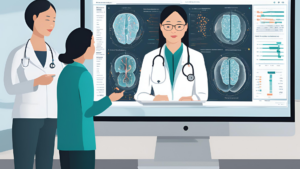
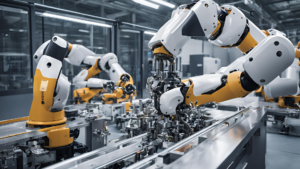 Quality Control: Machine learning algorithms monitor production lines to detect defects in real time, ensuring high-quality products and reducing waste. Automated visual inspection systems can identify defects more reliably than human inspectors, leading to improved product consistency and customer satisfaction.

Conclusion
The rise of artificial intelligence is undeniably transforming industries, enhancing efficiencies, and creating new opportunities. From healthcare to finance, manufacturing, and retail, AI is reshaping how businesses operate and interact with customers. While there are challenges regarding workforce implications, the focus should be on adaptation and growth, enabling individuals to thrive in an AI-augmented future. As we move forward, the collaboration between humans and AI will be crucial in unlocking the full potential of this transformative technology.
Source: Google News
Read more blogs: Alitech Blog


Leave a Reply