


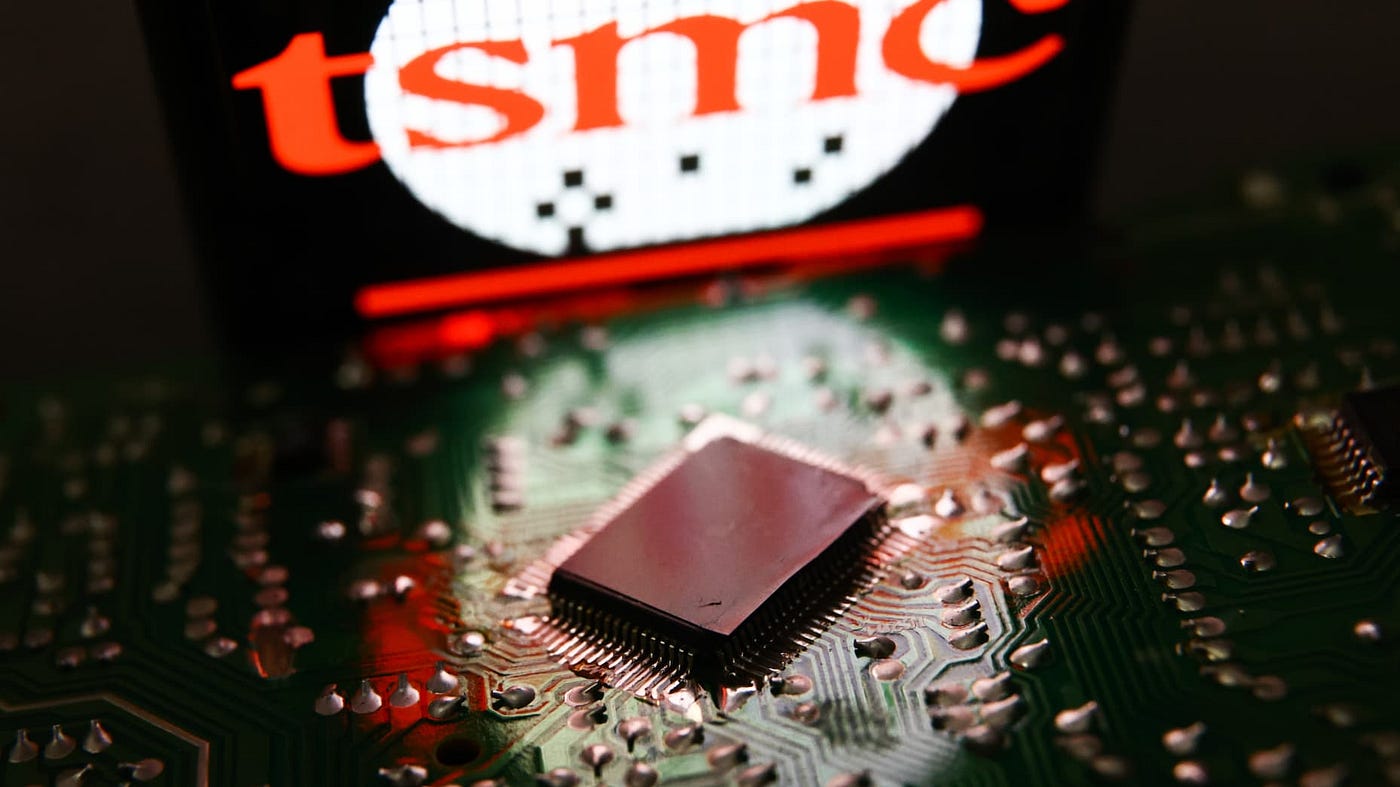
US Orders Taiwan Semiconductor to Stop Advanced Chip Shipments to China
Introduction
The tech world was rocked by recent news: the United States has instructed Taiwan Semiconductor Manufacturing Company (TSMC), Advanced Chip a primary supplier for major companies like Nvidia and Apple, to halt advanced chip shipments to China. This move reflects the ongoing tension between the US and China, specifically over access to advanced technologies that power everything from smartphones to artificial intelligence systems. As semiconductors play a crucial role in technological advancement and military applications, this restriction has far-reaching implications.
Background on Taiwan Semiconductor Manufacturing Company (TSMC)
What is TSMC and Why is it Important?
TSMC is the world’s largest dedicated independent semiconductor foundry, and its significance cannot be overstated. Responsible for producing around 60% of the world’s chips, TSMC manufactures components for a wide range of industries, including consumer electronics, automotive, and telecommunications. Major tech companies rely on TSMC’s advanced chip making capabilities for their cutting-edge products.
TSMC’s Role in the Global Semiconductor Industry
TSMC’s position in the semiconductor industry is essential. The company’s technological expertise and scale allow it to produce chips that others simply cannot. With its advanced capabilities, TSMC plays a central role in shaping global technological development and is a critical component of the supply chain for high-tech products worldwide.
US Restrictions on Chip Exports to China
Recent US Export Control Measures
The US has steadily increased restrictions on exporting advanced technology to China, especially in the realm of semiconductors. Advanced Chip This recent move, targeting TSMC’s shipments to China, is part of a larger strategy aimed at limiting China’s access to technologies that could bolster its AI and military capabilities.
Key Reasons Behind US Restrictions
The restrictions are driven by concerns over national security and technological competitiveness. The US is wary of allowing advanced semiconductor technology to potentially strengthen Chinese military capabilities or to be used in AI systems that could compete with American products. These restrictions are meant to maintain a technological edge and ensure that cutting-edge technology does not end up in the hands of strategic rivals.
Impact on China’s Tech Industry
How the Restrictions Affect Huawei and Other Chinese Companies
One immediate effect of this restriction is on Huawei, a Chinese tech giant that has made significant strides in AI and advanced communications technology. Advanced Chip Huawei has developed a processor that relies on advanced semiconductors, and the US move could slow the company’s progress in producing high-end technology. Other Chinese tech firms reliant on TSMC’s advanced chips may also face challenges as they seek alternatives.
Implications for China’s AI Development and Military Uses
Beyond consumer electronics, China has been advancing its capabilities in AI and other fields where semiconductors are crucial. This restriction could hinder China’s growth in these areas, slowing development timelines for military applications, AI research, Advanced Chip and other tech sectors where China has been striving to catch up or surpass its global rivals.
The Response from Taiwan Semiconductor (TSMC)
TSMC’s Strategic Position in the Conflict
As a key player in the global semiconductor supply chain, TSMC finds itself in a challenging position, needing to navigate between US orders and its relationship with Chinese clients. The company has remained neutral, focusing on compliance with government regulations while maintaining that its priority is to ensure uninterrupted service to its clients within legal frameworks.
TSMC’s Statements on US Orders
Advanced Chip TSMC has made it clear that it will comply with the latest US regulations but has also expressed concern about the broader impact on the industry. The company’s statements suggest a delicate balance between complying with US policies and maintaining strong relationships with clients in China.
Broader Impact on the Semiconductor Industry
Potential Disruption in Global Semiconductor Supply Chains
The semiconductor supply chain is already complex and fragile, and the restriction on TSMC’s shipments could add more stress. Global tech companies may face shortages, leading to price fluctuations and delays in the availability of consumer electronics and other tech products.
How This Decision Affects Companies Worldwide, Including Apple and Nvidia
US-based companies like Nvidia and Apple, both of which rely on TSMC’s advanced chipmaking capabilities, could face challenges as they work to manage supply chains in light of these restrictions. Other companies that rely on TSMC to supply chips for high-performance applications will likely also feel the ripple effects of this decision.
Geopolitical Implications
Rising Tensions in US-China Relations
This latest move adds another layer to the already tense relationship between the US and China. Technology is a battleground in this rivalry, and each new restriction brings the countries closer to a tech divide that could affect global markets and innovation.
Taiwan’s Position in Global Politics Amid the Conflict
Taiwan’s geopolitical position becomes even more complex with TSMC at the center of this conflict. As Taiwan is a self-governing island that China considers part of its territory, any escalation in US-China tensions over technology could have broader implications for Taiwan’s political landscape.
Future Outlook for US-China Tech Relations
Possible Scenarios for Semiconductor Industry
If the current restrictions persist, companies may need to shift supply chains and find alternative suppliers or develop new technologies domestically. This shift could lead to a more segmented technology landscape, with separate supply chains for the East and West.
Long-Term Implications for Global Technology Markets
Long term, the implications could be profound. Countries may be forced to choose between tech standards aligned with the US or China, potentially leading to a divided technology ecosystem. This scenario could stifle innovation and make global collaboration in technology more challenging.
Conclusion
The US order for TSMC to halt advanced chip shipments to China marks a significant step in the ongoing tech rivalry between the two superpowers. This move could have lasting impacts on TSMC, the semiconductor industry, and global tech markets. As the world watches, the decisions made in the coming months will shape the future of technology, innovation, and geopolitical dynamics.
FAQs
- Why did the US ask TSMC to stop advanced chip shipments to China?
The US requested this to prevent advanced technology from potentially boosting China’s military and AI capabilities. - How does this impact the global semiconductor industry?
It could disrupt supply chains, leading to delays and possibly higher costs for consumer electronics and other tech products worldwide. - What are the implications for TSMC’s business?
TSMC may face challenges in balancing compliance with US policies while maintaining relationships with Chinese clients. - How will this affect Huawei and other Chinese tech companies?
Huawei and similar companies may find it harder to develop high-end technology as access to advanced chips becomes restricted. - What are the broader geopolitical implications of this decision?
This move escalates the US-China tech rivalry and could contribute to a divided global technology ecosystem.
Source: Google News
Read more blogs: Alitech blogs




Leave a Reply