


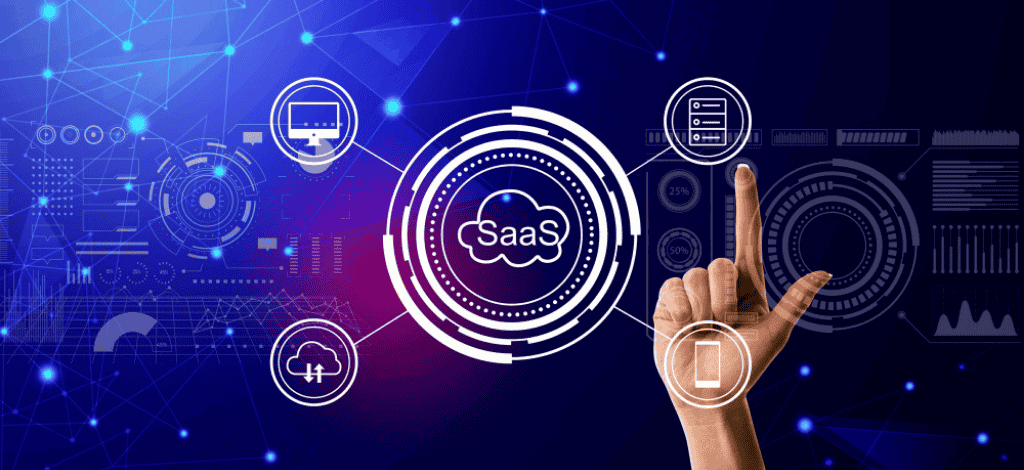
SaaS is Dead: The Rise of AI and the Future of Software
For years, Software as a Service (SaaS) has been the dominant model for delivering digital solutions. But with the rapid evolution of artificial intelligence, the traditional SaaS model is becoming obsolete. AI is changing how software is built, distributed, and consumed. Businesses that fail to adapt will struggle to compete in an era where AI can generate entire applications in minutes.
SaaS Startups Have No Future: AI Has Killed the Easy Money
Building a SaaS product was once a lucrative opportunity. Entrepreneurs could develop software, launch it online, and charge a recurring fee. But AI has changed the game. The cost of software development has plummeted, making it easier than ever for competitors to copy and improve existing solutions. No-code and low-code platforms allow anyone to build software with minimal effort.
If a product lacks deep differentiation, AI-powered competitors can quickly undercut pricing or provide the same functionality for free. Features alone are no longer a sustainable advantage. The real challenge is finding ways to create unique value that AI cannot easily replicate.
The Hook to Reality: Why Software Alone Isn’t Enough
To survive, SaaS companies must integrate their products into real-world processes. AI-powered software can be easily copied, but businesses that connect to physical assets, industry regulations, or enterprise systems create a competitive moat.
For example, AI can build a generic chatbot, but a chatbot trained on proprietary sales data and integrated with CRM systems provides unique value. Compliance-driven industries like fintech and healthcare also create barriers to entry that AI alone cannot bypass.
AI is Reshaping Startup Costs and Development
AI has dramatically reduced the time and cost required to build software. What once took months and a team of developers can now be accomplished in days using AI-driven tools. This shift allows startups to bootstrap more efficiently, but it also means increased competition.
While AI lowers the cost of entry, scaling and capturing market share still require significant investment. Venture capital funding remains crucial for startups that want to dominate their industries before competitors can catch up.
Is Recurring Revenue Dead?
One of the biggest advantages of SaaS has been its recurring revenue model. But if AI enables businesses to build and own software indefinitely, subscription-based models could decline. Why pay a monthly fee for project management software when AI can generate a fully customized tool for your company on demand?
Major players like Google (Duet AI) and Microsoft (Copilot) are already shifting away from traditional software licenses to AI-driven, usage-based pricing. This trend suggests that the SaaS subscription model will need to evolve to remain viable.
Businesses that bundle software with high-value services, such as continuous updates, security, and customer support, will have a better chance of maintaining recurring revenue. Customers are willing to pay for outcomes, not just tools.
AI’s Role in Enterprise Software Development
Many companies claim they have “implemented AI,” but AI alone does not guarantee success. It is an enabler, not a differentiator. AI-powered automation is becoming standard, which means businesses need to focus on unique, defensible value propositions.
AI allows enterprises to rapidly prototype and deploy new software solutions. Instead of months-long development cycles, businesses can now build and test products within days. This shift requires a new approach to measuring success—return on time invested (ROTI) becomes just as important as return on investment (ROI).
Can AI Replace Human Engineers?
AI is transforming software development, but it is unlikely to replace human engineers entirely. Many developers no longer write code from scratch—they assemble APIs, integrate third-party services, and use AI to accelerate the process.
While AI can generate code, software engineers still play a crucial role in strategy, architecture, and creative problem-solving. However, the nature of their work is changing. Future developers will act more as “AI engineers,” focusing on prompting AI models to build software rather than writing code manually.
The Rise of ‘Services as Software’
Instead of software as a service (SaaS), we are entering an era of “services as software.” AI-powered applications are moving beyond traditional tools—they are becoming autonomous service providers.
Historically, businesses purchased software and hired professionals to operate it. Now, AI is replacing human effort with automated decision-making and task execution. From customer service to IT maintenance, AI-driven systems are taking over roles once handled by employees.
This shift means businesses will need to rethink how they deliver value. Instead of selling standalone software, they must offer AI-powered solutions that continuously adapt and improve.
AIaaS: The Future of Business Software
Artificial Intelligence as a Service (AIaaS) is emerging as the next evolution of software. Unlike traditional SaaS, which provides static applications, AIaaS offers intelligent systems that learn, automate, and evolve over time.
Businesses are no longer satisfied with simple tools—they expect software that anticipates their needs, makes decisions, and streamlines operations. AIaaS solutions deliver this capability, making them more attractive than conventional SaaS products.
Is SaaS Going Away?
SaaS is not disappearing, but its role is changing. The market is oversaturated, and AI is pushing software toward automation and personalization. Companies that cling to outdated SaaS models will struggle to compete.
The key to survival is adaptation. Businesses that integrate AI deeply, connect software to real-world assets, and focus on delivering continuous value will thrive. Those that fail to evolve will be left behind in an AI-driven world.
Conclusion
The golden era of easy SaaS is over. AI has lowered the barriers to entry, making generic software a race to the bottom. Companies that succeed in the future will go beyond traditional SaaS—they will build AI-powered solutions that redefine industries.
If you are building software today, ask yourself:
- Is my product easily replaceable by AI?
- Does it integrate with real-world systems?
- Is my value proposition defensible and unique?
The businesses that answer these questions with confidence will shape the future of software. The rest will struggle to keep up in an AI-dominated world.
FAQs
1. Will AI completely replace SaaS?
No, but it will transform how software is built and delivered. SaaS companies that integrate AI effectively will thrive, while those that don’t will become obsolete.
2. What industries will be least affected by AI-driven SaaS disruption?
Industries with strict regulations, complex integrations, or physical assets—such as healthcare, finance, and manufacturing—will be less vulnerable to AI-driven disruption.
3. Can startups still succeed in the SaaS market?
Yes, but only if they offer something AI cannot easily replicate. Deep industry expertise, strong customer relationships, and real-world integrations will be key.
4. How will AI affect software pricing models?
Traditional subscription models may decline in favor of AI-driven, usage-based pricing. Customers will pay for outcomes rather than access to static tools.
5. What skills will be most valuable in the AI-driven software industry?
AI engineering, data science, strategic problem-solving, and the ability to integrate AI with business processes will be critical for future success.
Read more blogs: Alitech Blog

Zeeshan Ali Shah is a professional blog writer at AliTech Solutions, and Realancer renowned for crafting engaging and informative content. He holds a degree from the University of Sindh, where he honed his expertise in technology. With a keen eye for detail and a passion for staying up-to-date on the latest tech trends, Zeeshan’s writing provides valuable insights to his readers. His expertise in the tech industry makes him a sought-after writer, and his work at AliTech Solutions has earned him a reputation as a trusted and knowledgeable voice in the field.

Leave a Reply