


Understand The Monkeypox Situation in Pakistan: A Comprehensive Overview
Monkeypox, a rare but serious viral illness, has garnered increasing attention in Pakistan recently. This comprehensive overview aims to shed light on the current situation, government response, and public health strategies to combat the disease.
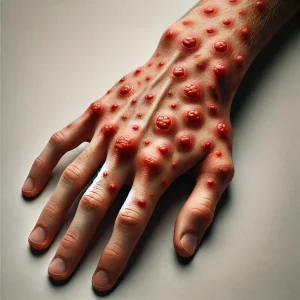
What is Monkeypox?
Monkeypox is caused by the monkeypox virus, a member of the Orthopoxvirus genus, which also includes the variola virus (smallpox). First identified in monkeys in 1958, the disease was recognized in humans in 1970. It is typically found in central and west Africa, but cases have emerged globally, including in Pakistan. The disease can be transmitted through direct contact with infected individuals, animals, or contaminated materials.
Current Situation in Pakistan
Recently, Pakistan has experienced a surge in monkeypox cases. The rise in reported cases has prompted public health authorities to take preventive measures. As of August 2024, there have been confirmed cases primarily concentrated in urban areas. Health officials are working to identify and isolate affected individuals to prevent further spread.
As of mid-August 2024, there have been reports of three suspected cases of monkeypox in Pakistan. These cases were detected in the Khyber Pakhtunkhwa (KP) province, with the individuals involved having recently arrived from the United Arab Emirates. However, there is some confusion regarding the exact number of confirmed cases. While provincial authorities in KP reported three cases, federal health officials have only confirmed one case so far. The other two cases are still under investigation, with samples being analysed to confirm the presence and variant of the virus.
The situation is evolving, and health authorities in Pakistan are on alert, strengthening screening procedures at entry points to prevent further spread
– Reports: Cases of monkeypox have been reported in Pakistan, with some confirmed instances in major cities. The virus has caused concern due to its symptoms and the potential for spread.
– Spread: The virus is transmitted through direct contact with infected animals or humans, or via contaminated materials. It can also spread through close contact with lesions or bodily fluids of infected individuals.
-Symptoms:

- Early Symptoms: Fever, headache, muscle aches, backaches, and swollen lymph nodes.
- Rash: A characteristic rash often follows, starting on the face and spreading to other parts of the body. The rash progresses through several stages: macules, papules, vesicles, pustules, and then scabs.
- Duration: Symptoms usually last for 2 to 4 weeks.
- Health Measures and Response:
– Health Authorities: The Ministry of National Health Services, Regulations & Coordination in Pakistan is actively monitoring the situation and providing updates. They are also working on preventive measures and public awareness campaigns.
– Prevention: Public health officials emphasise hygiene, avoiding contact with infected individuals, and seeking medical advice if symptoms appear.
– Travel Advisories: Traveler’s are advised to follow any travel advisories issued by health authorities and to be cautious when traveling to or from areas with reported cases.
How to Avoid it:
Monkeypox is a rare viral disease that can be avoided by following some key preventive measures:
- Avoid Contact: Stay away from people who have symptoms of monkeypox or have been diagnosed with the disease. Avoid handling or coming into contact with animals that could be infected.
- Practice Good Hygiene: Wash your hands frequently with soap and water, especially after coming into contact with potentially contaminated surfaces or animals. Use hand sanitizer if soap and water aren’t available.
- Use Personal Protective Equipment (PPE): If you’re in an area with an outbreak or if you’re caring for someone with monkeypox, use appropriate PPE like gloves, masks, and gowns to reduce the risk of transmission.
- Avoid Contact with Animals: Be cautious around animals that could carry the virus, such as rodents or primates. In regions where monkeypox is known to occur, avoid contact with wild animals.
- Stay Informed: Keep up-to-date with information from health authorities about monkeypox outbreaks and follow any travel advisories or recommendations.
- Vaccination: In some cases, vaccination against smallpox may offer some protection against monkeypox, as the viruses are closely related. Consult with health professionals to see if this might be recommended for you.
- Seek Medical Advice: If you suspect you have been exposed to monkeypox or develop symptoms, contact a healthcare provider promptly. Early diagnosis and treatment can help manage the disease and reduce the risk of spreading it.
By following these guidelines, you can reduce your risk of contracting or spreading monkeypox.
Recommendations:
– Stay Informed: Keep updated with information from reliable sources like the Ministry of Health and reputable news organisations.
– Consult Healthcare Providers: If you experience symptoms similar to monkeypox or have been in contact with someone who has been diagnosed, seek medical advice promptly.
– Follow Health Guidelines: Adhere to any public health guidelines or advisories issued to prevent the spread of the virus.
For the latest updates and specific guidance, consult local health authorities or official health websites.
Read more: Alitech Blog




Leave a Reply