


Introduction to the AI Energy Crisis
Artificial intelligence is no longer just a buzzword—it’s becoming the backbone of modern technology. From chatbots and automation tools to advanced analytics and smart systems, AI is expanding at an incredible pace. But behind this rapid growth lies a less visible issue: energy consumption. Every AI system requires massive computing power, and that power comes from electricity. As demand continues to rise, what once seemed like a technical evolution is now turning into a full-scale energy challenge that governments and industries can no longer ignore.
The Rising Demand for AI Infrastructure
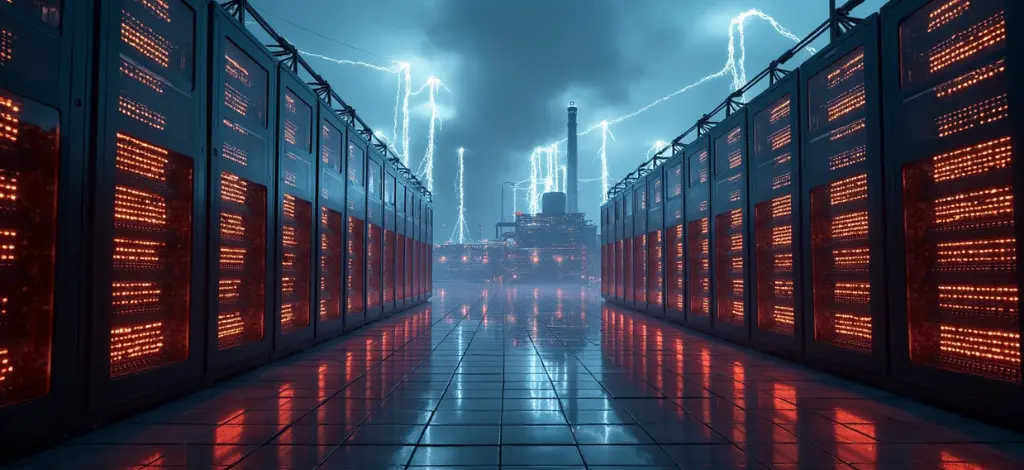
To understand the scale of the problem, you need to look behind the scenes. Every AI-powered service depends on large data centers that operate 24/7. These facilities are not small or ordinary—they are massive complexes filled with high-performance servers processing enormous amounts of data every second. As companies compete to build more advanced AI systems, they are also building bigger and more powerful data centers. This continuous expansion is pushing energy demand to levels never seen before, putting serious pressure on existing power systems.
Why Electricity Is Becoming a Major Concern
The issue isn’t just about using more electricity—it’s about who pays for it. As AI systems demand more energy, national power grids are being stretched beyond their intended capacity. When supply struggles to keep up with demand, electricity prices naturally increase. This creates a ripple effect where everyday consumers may end up paying higher bills, even though they are not directly benefiting from large-scale AI operations. In simple terms, the growth of AI could quietly shift financial pressure onto households.
What Donald Trump Proposed
Amid growing concerns, a bold proposal emerged from Donald Trump during a major national address. He suggested that large technology companies should take responsibility for their own energy needs instead of relying heavily on public electricity grids. The idea is straightforward: if companies are building massive AI systems, they should also build the infrastructure needed to power them. This proposal quickly gained attention because it directly addresses both rising energy demand and consumer cost concerns.
Understanding the “Rate Payer Protection” Idea
At the heart of this proposal is the concept of protecting everyday consumers. The “rate payer protection” approach aims to ensure that households are not burdened with higher electricity costs caused by AI expansion. By requiring tech companies to generate their own power, the plan shifts responsibility away from public infrastructure. While the idea is not legally binding, it is designed to encourage accountability and create a sense of responsibility among major tech players.
Why AI Requires Massive Energy
AI systems are far more complex than traditional software. They rely on powerful hardware that runs continuously, processing data, training models, and delivering real-time results. Data centers must also maintain strict temperature control to prevent overheating, which adds another layer of energy consumption. When you combine constant computing with large-scale cooling systems, the result is an enormous and continuous demand for electricity that keeps growing as AI becomes more advanced.
Challenges with the Current Power Grid
One of the biggest problems is that existing power grids were not designed for this level of demand. Much of the infrastructure is outdated and already under strain from growing populations and industrial use. Adding AI-driven data centers into the mix creates additional pressure that the system struggles to handle. Upgrading the grid is not a quick solution—it requires significant investment, time, and coordination across multiple sectors.
The Role of Big Tech Companies
Major technology companies are at the center of this issue. Organizations like Amazon, Microsoft, and Google are leading the development of AI and building large-scale data centers to support it. Alongside them, companies such as Alphabet, OpenAI, Oracle, and xAI are also expanding their AI capabilities. These companies are driving innovation, but they are also contributing significantly to the growing energy demand.
The “Bring Your Own Power” Strategy
The idea of “bring your own power” represents a major shift in how energy is managed in the tech industry. Instead of relying on public electricity grids, companies would generate or secure their own energy sources. This could involve building private power plants, investing in renewable energy like solar and wind, or exploring advanced options such as nuclear energy. By doing so, companies gain more control over their operations while reducing pressure on public infrastructure.
Benefits for Consumers
For everyday consumers, this approach could offer significant advantages. If large tech companies reduce their reliance on public power grids, it could help stabilize electricity prices. This means households would be less likely to experience rising utility bills caused by external demand. In addition, reducing grid pressure can improve overall reliability, leading to fewer outages and a more stable energy supply for everyone.
Environmental Concerns and Sustainability
While the idea sounds promising, it also raises important environmental questions. Data centers already consume large amounts of resources, including water and land. Some facilities rely on diesel generators as backup power sources, which can increase emissions. Building private power plants could either improve or worsen the situation, depending on the type of energy used. This makes sustainability a key factor in any long-term solution.
Industry and Public Reactions
Reactions to the proposal have been mixed. Some tech companies see it as an opportunity to gain independence and ensure a stable power supply for their operations. Others are concerned about the high costs and complexity involved in building and maintaining their own energy systems. Experts and the public are also divided, with some supporting the idea as a necessary step and others questioning its practicality and environmental impact.
Economic and Political Implications
This issue goes beyond technology and energy—it also has strong political and economic implications. Rising electricity costs have become a major concern for voters, making energy policy a key topic in political discussions. At the same time, maintaining leadership in AI development is a strategic priority for the United States. Balancing these factors requires careful planning and decision-making at both the government and industry levels.
Challenges in Implementation
Despite its potential benefits, implementing this strategy is not easy. The proposed agreements are not legally binding, meaning companies are not required to follow through. Building power plants also requires massive financial investment and long-term commitment. These challenges make it difficult to ensure consistent adoption across the industry.
Future of AI and Energy
Looking ahead, the relationship between AI and energy will continue to evolve. Renewable energy sources such as solar and wind are likely to play a bigger role in powering data centers. Many companies are already investing in cleaner technologies to reduce their environmental impact. The goal is to find a balance between rapid technological growth and sustainable energy use.
Conclusion
The push for tech companies to build their own power plants marks a turning point in the relationship between technology and energy. As AI continues to grow, so does its demand for electricity. Shifting responsibility to the companies driving this demand could help protect consumers and reduce pressure on public infrastructure. However, the success of this approach depends on how well companies can balance cost, sustainability, and innovation. The decisions made today will shape the future of both AI and global energy systems.
FAQs
1. Why are tech companies being asked to generate their own power?
To reduce strain on public grids and prevent rising electricity costs for consumers.
2. Which companies are involved in this discussion?
Major players include Amazon, Google, Microsoft, OpenAI, Oracle, and xAI.
3. Is the proposal legally enforceable?
No, it is currently a voluntary pledge rather than a binding law.
4. Why do data centers consume so much electricity?
They require constant computing power and cooling systems to operate efficiently.
5. Will this approach benefit consumers?
Yes, it could help stabilize electricity prices and reduce the burden on households.
💼 Take your freelance journey to the next level
👉 Get started with Realancer: https://realancer.net/
Read more blogs: Alitech Blogs

Zeeshan Ali Shah is a professional blog writer at AliTech Solutions, and Realancer renowned for crafting engaging and informative content. He holds a degree from the University of Sindh, where he honed his expertise in technology. With a keen eye for detail and a passion for staying up-to-date on the latest tech trends, Zeeshan’s writing provides valuable insights to his readers. His expertise in the tech industry makes him a sought-after writer, and his work at AliTech Solutions has earned him a reputation as a trusted and knowledgeable voice in the field.



Leave a Reply