


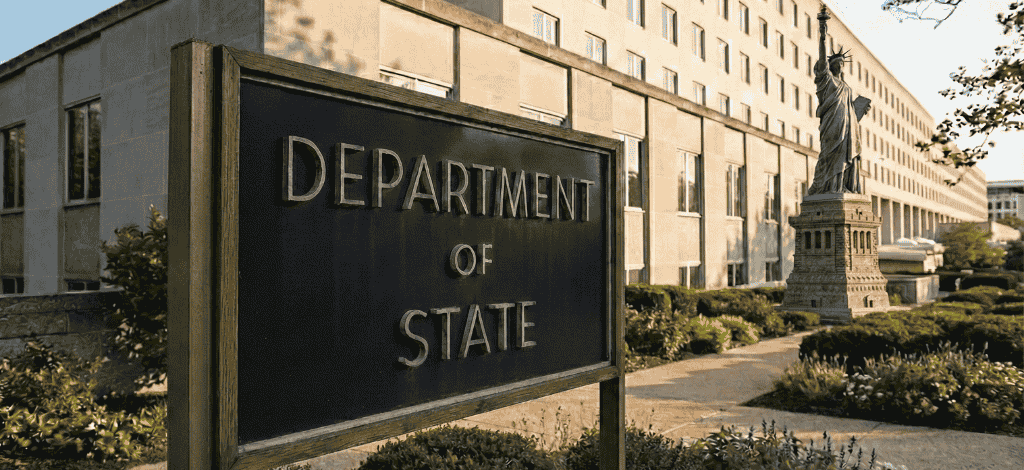
On January 14 and 15, 2026, the United States made a major immigration announcement that quickly grabbed global attention. The U.S. State Department confirmed it would pause immigrant visa processing for citizens of 75 countries. This decision immediately raised questions, concerns, and confusion for millions of people worldwide who were hoping to move to the United States permanently.
This is not a small policy update. It affects countries across Africa, Asia, Europe, and the Americas. Some of these nations are long-time U.S. allies, while others have tense diplomatic relationships with Washington. The freeze also impacts families waiting for reunification, skilled workers, and diversity visa applicants.
In simple terms, the U.S. has pressed the pause button on new immigrant visas for a large part of the world.
What Is the U.S. Immigrant Visa Processing Freeze?
An immigrant visa allows a foreign national to live permanently in the United States. This includes family-sponsored visas, employment-based green cards, and diversity visas. The current policy temporarily stops the processing and issuance of these immigrant visas for people from the listed countries.
Non-immigrant visas are different. These include tourist visas, student visas, and temporary work visas. According to the State Department, these categories are not affected by the freeze.
This means people can still visit the U.S., study there, or attend global events like the upcoming World Cup. However, they cannot move permanently under immigrant visa categories during the pause.
Why Did the U.S. Freeze Immigrant Visas for 75 Countries?
The Trump administration says the decision is based on concerns that immigrants from these countries rely on public assistance at what it calls unacceptable rates. In official statements and posts on X, government officials argued that the U.S. must protect taxpayers and prevent abuse of welfare systems.
The administration is using the long-standing “public charge” rule in U.S. immigration law. This rule allows officials to deny entry to immigrants who are likely to depend on government benefits in the future. Factors such as age, health, financial resources, education, and English proficiency are considered.
In short, the government claims this is about economics and self-sufficiency, not nationality. Critics, however, argue the policy targets poorer and non-European countries.
When Does the Visa Freeze Start and How Long Will It Last?
The immigrant visa processing pause officially begins on January 21, 2026. There is no fixed end date. The State Department says the freeze will remain in place until it completes a full review of immigration screening procedures.
This makes the situation uncertain. Applicants have no clear timeline for when processing might resume. The pause could last months or even longer, depending on political and legal developments.
Complete List of 75 Countries Affected by the U.S. Visa Pause
The affected countries are spread across multiple regions.
Americas
Antigua and Barbuda
Bahamas
Barbados
Belize
Brazil
Colombia
Cuba
Dominica
Grenada
Guatemala
Haiti
Jamaica
Nicaragua
Saint Kitts and Nevis
Saint Lucia
Saint Vincent and the Grenadines
Uruguay
Europe
Albania
Belarus
Bosnia and Herzegovina
Kosovo
Moldova
Montenegro
North Macedonia
Asia‑Pacific
Afghanistan
Armenia
Azerbaijan
Bangladesh
Bhutan
Cambodia
Fiji
Georgia
Iran
Iraq
Jordan
Kazakhstan
Kuwait
Kyrgyzstan
Laos
Lebanon
Mongolia
Myanmar
Nepal
Pakistan
Russia
Syria
Thailand
Uzbekistan
Yemen
Africa
Algeria
Cameroon
Cape Verde
Côte d’Ivoire
Democratic Republic of the Congo
Egypt
Eritrea
Ethiopia
Ghana
Guinea
Liberia
Libya
Morocco
Nigeria
Republic of the Congo
Rwanda
Senegal
Sierra Leone
Somalia
South Sudan
Sudan
Tanzania
The Gambia
Togo
Tunisia
Uganda
Pakistan Among the Countries Hit by the U.S. Visa Freeze
Pakistan’s inclusion has drawn significant attention. Thousands of Pakistani families have pending immigrant visa applications based on family reunification or employment sponsorship.
For many, this pause means extended separation from loved ones and delayed career plans. Immigration consultants in Pakistan report rising anxiety as applicants struggle to understand what comes next.
The U.S. government has not provided Pakistan-specific reasoning beyond the general public charge explanation.
Does the Freeze Affect Students, Tourists, or Work Visas?
No, at least not directly. The State Department confirmed that non-immigrant visas are not part of this policy. Student visas, tourist visas, and short-term work visas remain available.
This means students accepted into U.S. universities can still apply. Tourists and business travelers are also unaffected. However, immigration lawyers warn that stricter screening could spill over into other categories over time.
Impact on Families Waiting for Reunification
Family-sponsored immigration is one of the hardest-hit areas. Spouses, parents, and children of U.S. citizens or green card holders may now face long and painful delays.
For many families, this pause feels like a door slammed shut without warning. Emotional stress, financial strain, and uncertainty are becoming common themes among affected households.
Impact on Employment-Based Immigration
The freeze also affects skilled professionals waiting for employment-based green cards. U.S. employers in healthcare, engineering, and technology may struggle to bring in permanent foreign talent.
At a time when the U.S. economy faces labor shortages in several sectors, critics argue this policy could hurt American businesses as much as foreign workers.
Reaction from Affected Countries and Global Media
International reaction has been mixed but largely critical. Human rights groups, immigration advocates, and foreign media outlets describe the move as discriminatory and politically motivated.
Some governments have chosen not to respond publicly, likely to avoid diplomatic tension. Others are quietly seeking clarification through diplomatic channels.
Legal Basis Behind the Visa Suspension
The administration relies on existing immigration law, especially the public charge provision. Consular officers are instructed to deny visas under current legal authority while the review is ongoing.
Legal challenges are expected, especially if the pause extends indefinitely.
Comparison with Past U.S. Immigration Restrictions
This policy echoes earlier Trump-era travel bans but differs in scope. Instead of blocking entry entirely, it pauses immigrant visa processing while allowing non-immigrant travel.
Still, critics see it as another step toward restricting immigration from developing nations.
What Should Immigrant Visa Applicants Do Now?
Applicants should regularly check updates from the U.S. State Department and consult qualified immigration lawyers. Keeping documents updated and exploring alternative countries may also be wise.
Patience, though difficult, is currently the only option for many.
Long-Term Implications for U.S. Immigration Policy
This decision could reshape how the world views U.S. immigration. It signals a stronger shift toward economic self-sufficiency as a primary filter for permanent migration.
Whether this approach will remain long-term depends on political changes and legal outcomes.
Conclusion
The U.S. freeze on immigrant visa processing for 75 countries marks one of the most significant immigration policy moves of 2026. While the government frames it as a protective economic measure, its human impact is undeniable. Families are separated, careers are paused, and uncertainty dominates the future for millions.
As the world watches closely, one thing is clear: U.S. immigration policy is entering another period of deep transformation.
Frequently Asked Questions (FAQs)
1. Are tourist visas affected by the U.S. visa freeze?
No, tourist and other non-immigrant visas are not affected.
2. When will immigrant visa processing resume?
There is no announced end date. The pause will continue until further review.
3. Is Pakistan included in the list of affected countries?
Yes, Pakistan is among the 75 countries.
4. Does this affect people who already have immigrant visas?
No, existing visas are not affected.
5. Can students still apply to U.S. universities?
Yes, student visas are still being processed.
Find Talent Your Way with Realancer — Hire verified experts with real skills, experience, and availability. Join the waitlist 👉 https://realancer.net/registration
Read more blogs: Alitech Blog

Zeeshan Ali Shah is a professional blog writer at AliTech Solutions, and Realancer renowned for crafting engaging and informative content. He holds a degree from the University of Sindh, where he honed his expertise in technology. With a keen eye for detail and a passion for staying up-to-date on the latest tech trends, Zeeshan’s writing provides valuable insights to his readers. His expertise in the tech industry makes him a sought-after writer, and his work at AliTech Solutions has earned him a reputation as a trusted and knowledgeable voice in the field.



Leave a Reply