


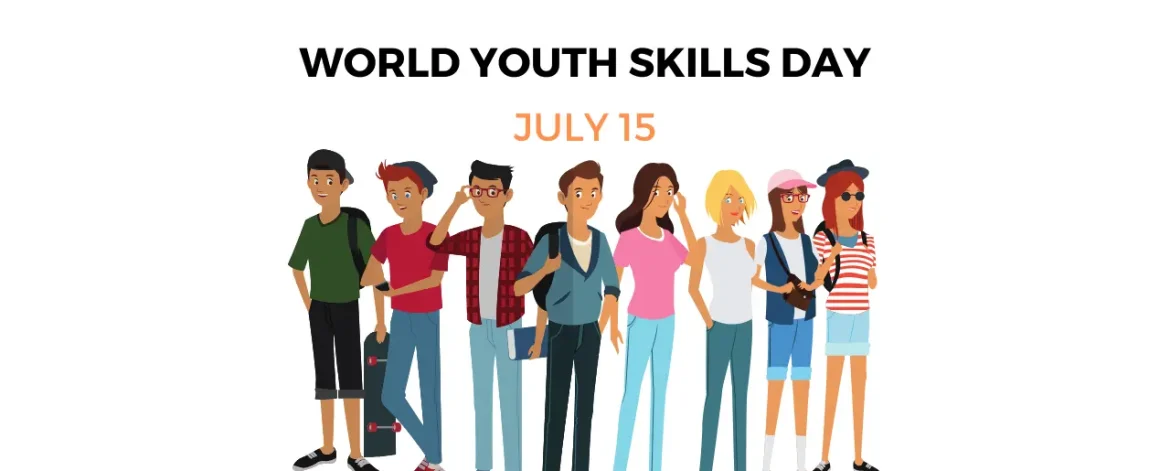
Introduction to World Youth Skills Day
World Youth Skills Day, observed annually on July 15, highlights the critical importance of equipping young people with the skills they need for employment, decent work, and entrepreneurship. As the job market rapidly evolves, staying updated on demanded skills is essential for success.
The Changing Landscape of Employment
The World Economic Forum estimates that automation will displace 85 million jobs by 2025, and approximately 40% of core skills will change for workers. This shift necessitates a focus on new skills to ensure youth can thrive in the 21st-century employment market.
The Importance of Life Skills
While vocational skills are crucial, future jobs demand a well-rounded skillset. Programs prioritizing life skills education—covering areas like communication, critical thinking, problem-solving, and resilience—equip young people to navigate complex situations and adapt to change.
Aligning with International Standards
These skills align with the International Labour Organization (ILO) framework, promoting lifelong learning and preparing youth for dignified jobs. Life skills education programs also reduce risky behaviors and improve mental health, indirectly boosting employability.
The Role of Community Engagement
Strong support systems play a vital role in youth skill development. Peer support networks, community learning centers, and collaborative partnerships with businesses provide platforms for knowledge sharing, peer-to-peer learning, and mentorship.
Peer-to-Peer Learning
A 2023 study by Deloitte found that 70% of millennials reported that peer-to-peer learning positively impacted their professional development. This form of learning helps young people stay motivated and navigate career challenges.
Innovative Financing Models
Outcome-driven impact models, such as Skill Impact Bonds, offer a promising approach to financing skill development programs. These bonds connect organizations with measurable outcomes, ensuring funding is directed towards effective programs.
Holistic Skill Development Approaches
The traditional model of skill development is insufficient for training the future workforce. A more holistic approach that includes adaptability, life skills, and strong support networks is essential for navigating the evolving job market.
Life Skills Education
By embracing innovative approaches like life skills education, we can create a skill development ecosystem that empowers young people to secure employment and thrive in their careers.
Building Strong Networks
Building strong peer and professional networks helps young people stay connected, share knowledge, and receive guidance from mentors, contributing to their overall professional growth.
Outcome-Driven Models
Utilizing outcome-driven impact models ensures that resources are invested in programs with proven track records, leading to better skill development outcomes.
The Broader Impact
These programs not only benefit individuals but also contribute to a stronger, more adaptable workforce and a more prosperous future for all.
Reflecting on a Decade of Progress
2024 marks a significant milestone, reflecting on the transformative progress made in youth skills development over the past decade. The international community has amplified efforts to bridge the gap between education and employment.
Celebrating World Youth Skills Day 2024
To celebrate this milestone, various organizations are convening virtual panel discussions to review effective practices and interventions that advance skills development and contribute to sustainable development.
Conclusion
World Youth Skills Day emphasizes the importance of equipping young people with the skills needed for the evolving job market. By focusing on life skills, building strong networks, and utilizing innovative financing models, we can prepare the new generation for success in a rapidly changing world.
FAQs
1. What is World Youth Skills Day?
World Youth Skills Day is observed annually on July 15 to highlight the importance of equipping young people with essential skills for employment and entrepreneurship.
2. Why are life skills important for youth?
Life skills, such as communication and problem-solving, are crucial for navigating complex situations, adapting to change, and collaborating effectively in the workplace.
3. How do peer support networks benefit youth?
Peer support networks provide platforms for knowledge sharing, peer-to-peer learning, and mentorship, helping young people stay motivated and navigate career challenges.
4. What are Skill Impact Bonds?
Skill Impact Bonds are outcome-driven financing models that connect organizations with measurable outcomes, ensuring funding is directed towards effective skill development programs.
5. How can we prepare youth for the evolving job market?
Preparing youth for the evolving job market involves focusing on life skills education, building strong networks, and utilizing innovative financing models to ensure comprehensive skill development.
References: Unesco
Read more: Alitech Blog

Zeeshan Ali Shah is a professional blog writer at AliTech Solutions, and Realancer renowned for crafting engaging and informative content. He holds a degree from the University of Sindh, where he honed his expertise in technology. With a keen eye for detail and a passion for staying up-to-date on the latest tech trends, Zeeshan’s writing provides valuable insights to his readers. His expertise in the tech industry makes him a sought-after writer, and his work at AliTech Solutions has earned him a reputation as a trusted and knowledgeable voice in the field.



Leave a Reply